

Best Sanding Disc Grits for Drywall: Full Grit Sequence Breakdown
Drywall sanding is one of the most overlooked yet critical stages of any interior renovation, new build, or wall patch repair. If you’ve ever finished sanding only to find faint scratches shining through your paint later on, you’ll know just how much grit selection can make or break your final wall finish. The smooth, seamless look professional tradespeople achieve all comes down to following a clear grit sequence and picking the right sanding discs for each step.
A lot of hobby DIYers and even part-time contractors rush this stage to save labour time. They grab a single pack of sanding discs, skip intermediate grit steps, and jump straight to priming. The result is always the same: visible swirl marks, uneven joint compound lines, and tiny abrasion patterns that paint amplifies rather than covers.
In this practical, field-tested breakdown, we walk through every grit grade designed for drywall plasterboard work, explain exactly what each grit is used for, and share the step-by-step workflow professional drywall finishers rely on daily. By the end, you’ll have a clear grit roadmap to avoid surface flaws and get paint-ready walls every single time.
What Does Grit Number Mean for Drywall Sanding?
Grit number measures how many abrasive grains sit per square inch on your sanding disc or sandpaper. The basic rule is simple: lower grit numbers mean coarse, fast-cutting abrasives, while higher grit numbers deliver soft, ultra-smooth finishing action.
Drywall has a thin, delicate paper outer layer, so overly coarse grades like 40 or 60 grit are never suitable — they tear the facing paper and create permanent wall damage. On the other hand, ultra-fine polishing grit above 320 is unnecessary, since joint compound does not require the mirror shine needed for metal or wood polishing jobs.
The complete usable grit spectrum for all drywall tasks sits firmly between 80 and 240, split into four clear stages for leveling, blending, smoothing, and final pre-paint preparation.
The Complete Drywall Grit Chart: Which Grit Does What?
| Grit Size | Purpose | Best For |
|---|---|---|
| 80–100 Grit | Heavy Leveling & Rough Sanding | High spots, thick layers of joint compound, uneven taped seams, large wall repair patches |
| 120–150 Grit | Medium Smoothing & Blending | Feathering joint edges, removing coarse grit scratches, blending mud flush with drywall paper |
| 180–220 Grit | Pre-Paint Finish Sanding | Removing micro-scratches, creating uniform texture for primer and topcoat paint |
| 240 Grit | Ultra-Final Luxury Finishing | High-end residential walls, ceilings, rooms with strong natural or spot overhead lighting |
Step-by-Step Drywall Sanding Grit Sequence (Professional Contractor Method)
This four-stage workflow is standard practice for drywall teams working on residential and commercial plasterboard projects. Stick to this exact order, and you’ll eliminate nearly all common sanding-related wall imperfections.
Stage 1: Rough Leveling – 80 or 100 Grit (First Pass)
Reserve this initial pass purely to shave down prominent high spots and thick clumps of joint compound on taped seams, inner corners, and wall repair patches.
- 80–100 grit discs deliver fast material removal for bulky mud deposits
- Ideal for flattening hard ridges left after drywall taping work
- Maintain light sanding pressure at all times; over-sanding quickly rips drywall paper
- Pair with long-handle drywall sanders for large ceiling and wall surfaces
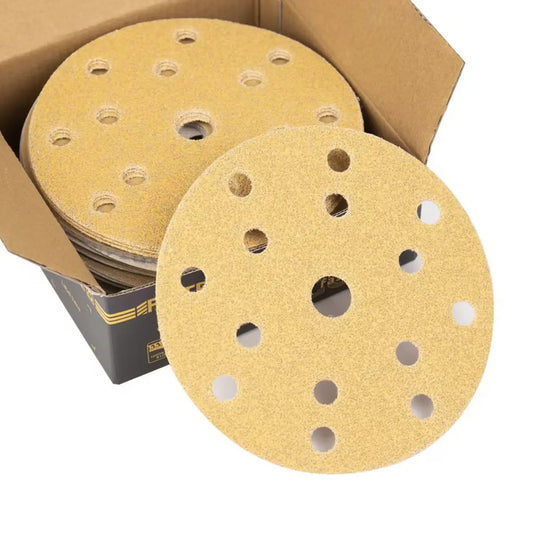
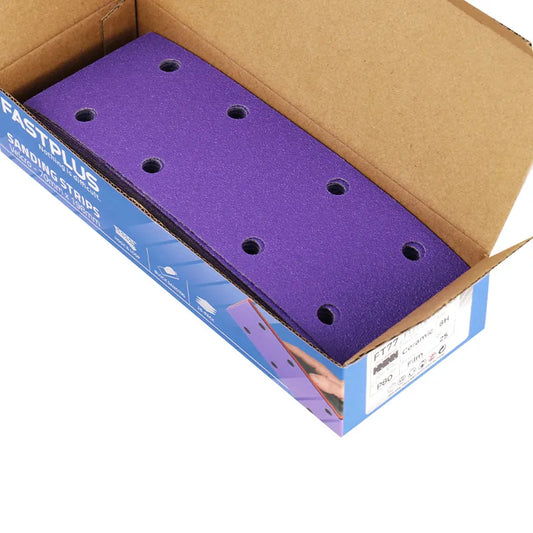
For consistent clog-free performance during rough leveling tasks, our 225mm x 8+1 Hole Gold Aluminum Oxide Sanding Discs (B15) remain a trusted pick for renovators. The open-coat structure stops thick drywall mud from sticking and blocking abrasive grains, while premium aluminum oxide delivers steady cutting power to speed up heavy leveling work. Available in 80 and 100 grit sizes, these discs fit most popular long-reach drywall sanders available on the market.
Once all obvious ridges and uneven high spots are removed, move forward to your medium grit blending pass.
Stage 2: Blending & Smoothing – 120 or 150 Grit (Second Pass)
If you could only keep one grit for all drywall jobs, this would be it. Medium grit erases all deep scratch patterns left by your rough initial pass and blends joint compound seamlessly into the surrounding drywall paper.
- Eliminates coarse scratch marks created by 80/100 grit discs across seams and repair patches
- Softens sharp joint edges so tape lines become invisible once painted
- Works equally well for handheld sanding blocks and orbital power sanders
- Multi-hole hook-and-loop discs offer far superior dust extraction for cleaner indoor workspaces
After finishing this step, glide your palm lightly over the wall surface. You should not feel any raised lines, bumps, or rough patches anywhere on the plasterboard.
Stage 3: Pre-Paint Finish – 180 or 220 Grit (Third Pass)
This grit range prepares your drywall surface to accept primer and paint evenly. It polishes away fine leftover micro-scratches to create a uniform, consistent texture across every wall and ceiling panel.
- Wipes away tiny abrasion marks left by medium grit sanding
- Creates a balanced matte texture that prevents uneven paint absorption
- A mandatory step for living rooms, hallways, and ceilings with overhead lighting
- Reduces visible paint flaws once topcoat layers are applied
Stage 4: Ultra-Smooth Final Finish – 240 Grit (Optional Fourth Pass)
Only use 240 grit for premium renovation projects, luxury home interiors, guest suites, or rooms with large windows casting harsh natural light onto wall surfaces.
- Delivers a near mirror-smooth wall base ready for matte and flat paint finishes
- Removes every trace of minor abrasion marks that strong lighting would highlight
- Skip this stage for garages, utility rooms, and storage spaces with low finish standards
Key Differences Between Drywall Sanding Grit Categories
Coarse Grits (80–100)
Fast material removal but prone to leaving deep, obvious scratch patterns. Strictly limited to initial wall leveling tasks and never used as a final sanding step before paint application.
Medium Grits (120–150)
The all-around workhorse grit range for every drywall sanding project. It balances effective scratch removal with gentle surface treatment, making it the most widely used grade for full wall preparation.
Fine Grits (180–240)
Finishing-only abrasives designed purely to polish surfaces smooth. They do not remove large volumes of material and exist only to refine wall texture prior to priming and painting.

Common Grit-Related Drywall Sanding Mistakes to Avoid
- Relying on a single grit size – Creates uneven texture and trapped scratches that paint magnifies significantly.
- Starting sanding with overly coarse 60 grit discs – Tears drywall paper, leading to bubbling and peeling under paint layers.
- Skipping the critical 120/150 medium grit stage – The most frequent error that ruins professional-quality wall finishes.
- Sanding partially wet joint compound – Instantly clogs sanding discs and leaves uneven, rippled wall surfaces.
- Applying heavy pressure during sanding – Digs dips and depressions into soft joint compound that require re-mudding and re-sanding.
Best Sanding Discs for Complete Drywall Grit Sequences
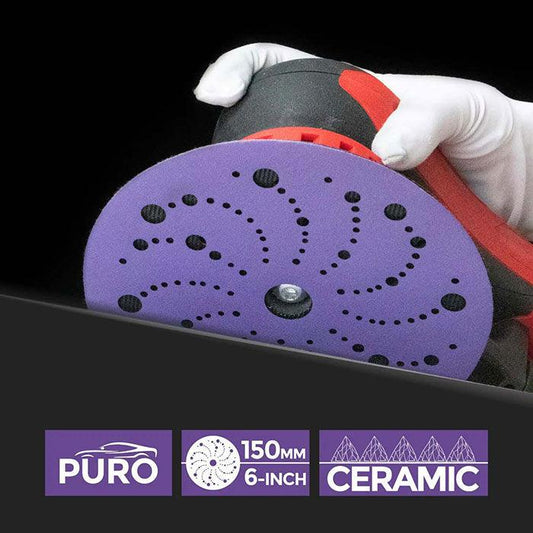
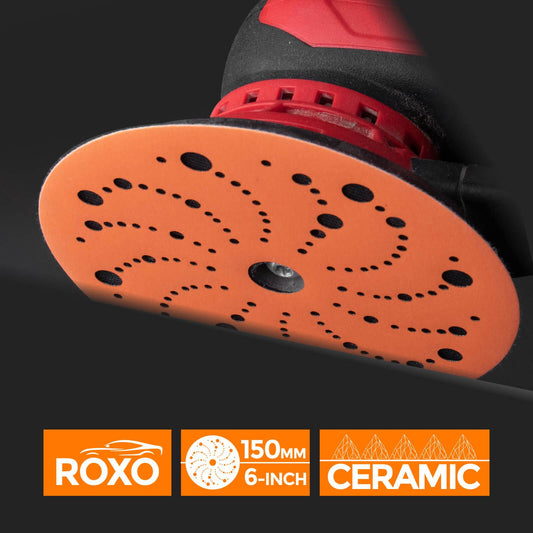
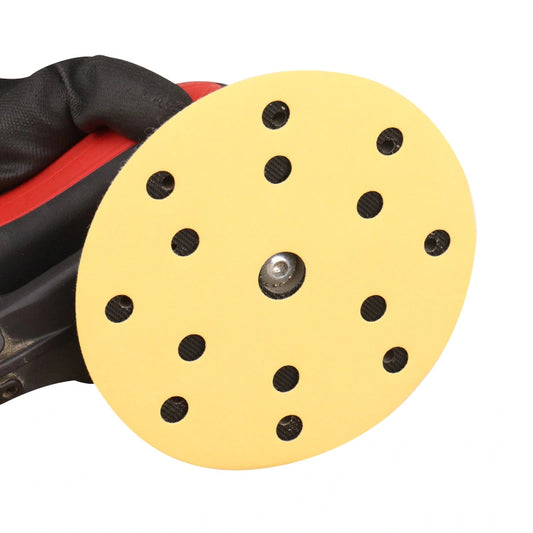
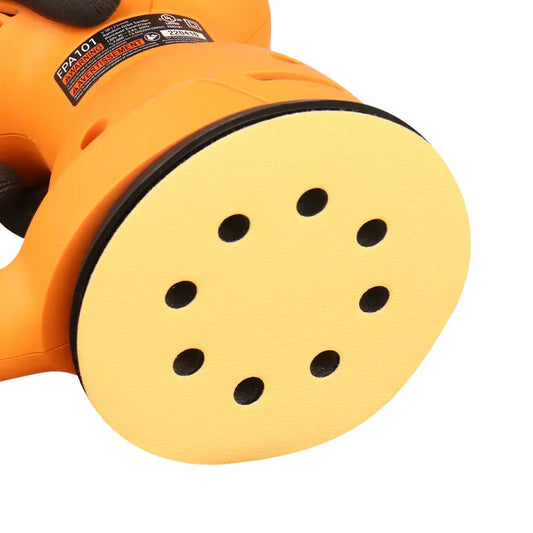
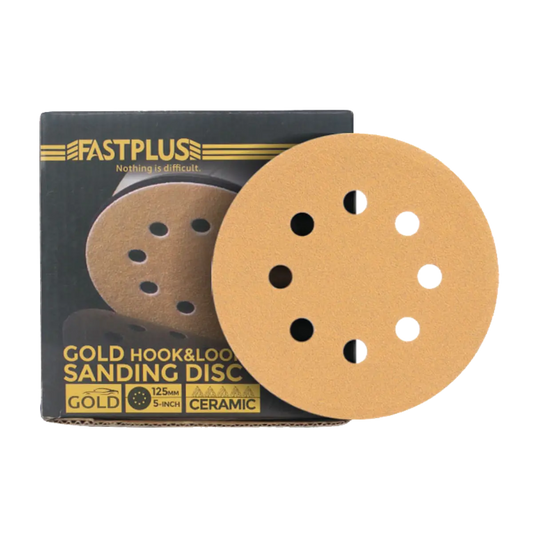
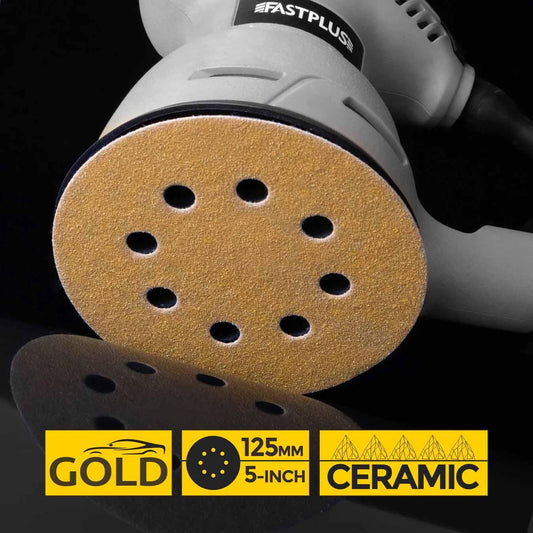
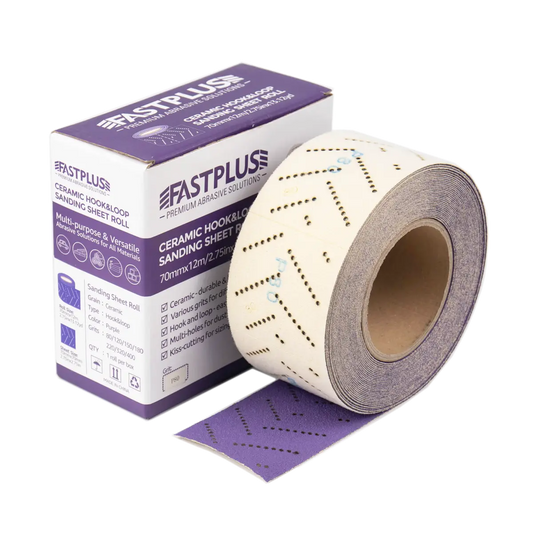
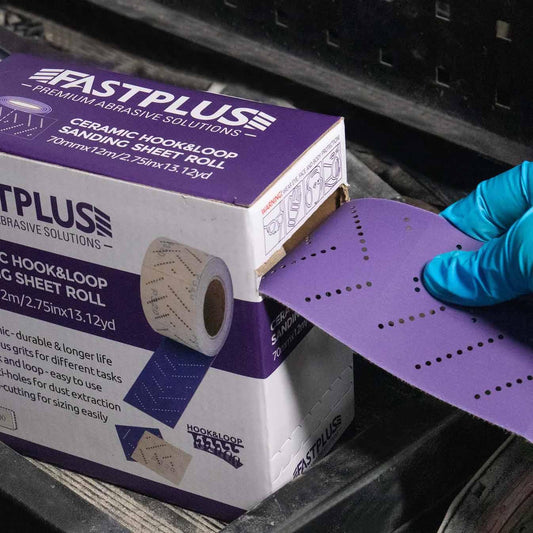
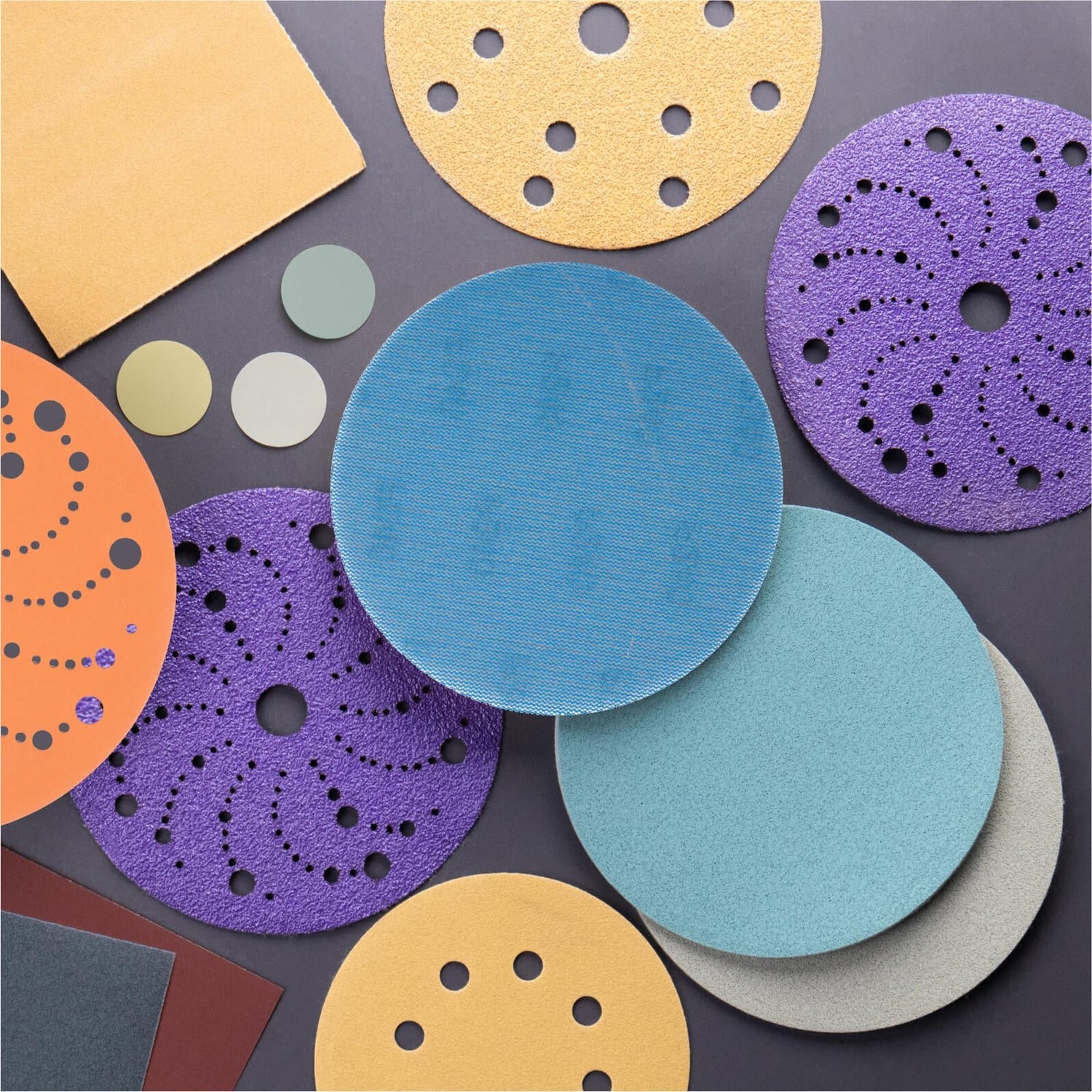
For reliable, repeatable results on every drywall project, invest in purpose-built multi-hole hook-and-loop sanding discs designed specifically for joint compound plasterboard work. These perforated abrasives reduce clogging, boost dust vacuum extraction, and hold their sharp cutting edge far longer than generic budget sandpaper from local hardware stores.
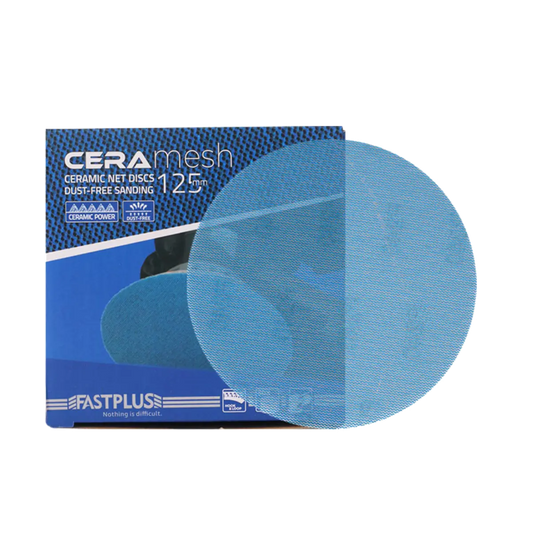
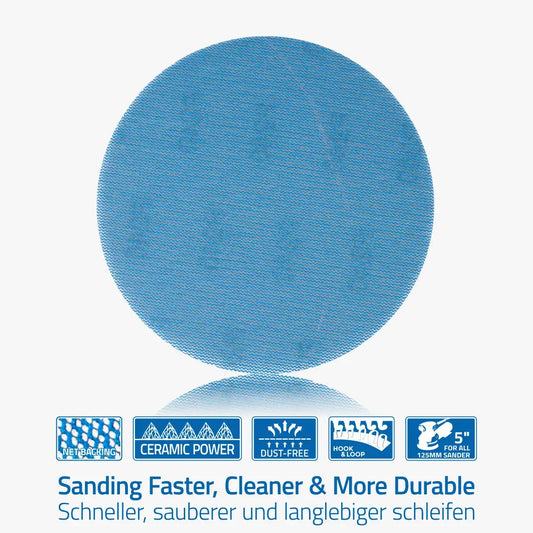
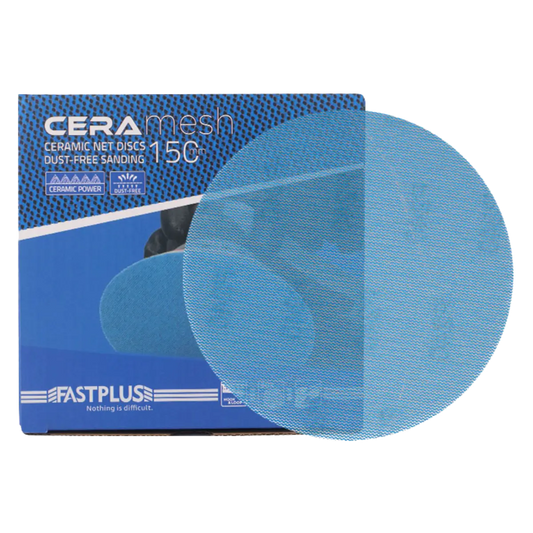
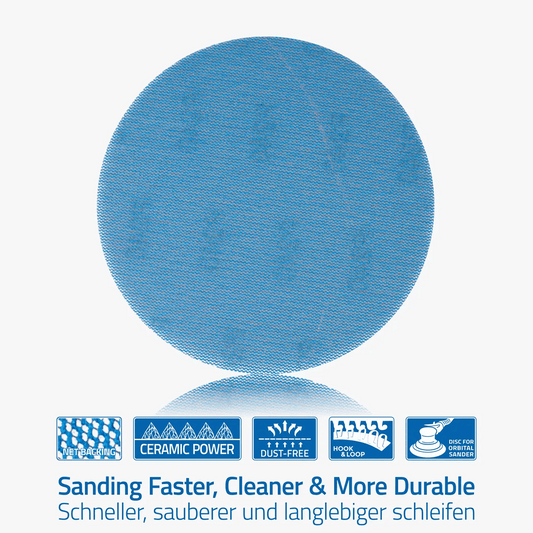
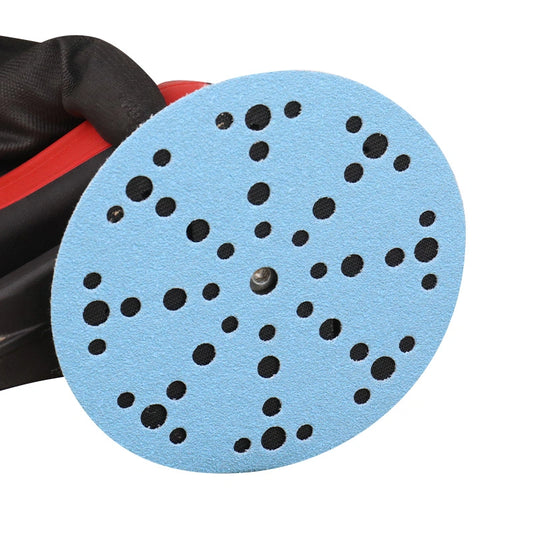
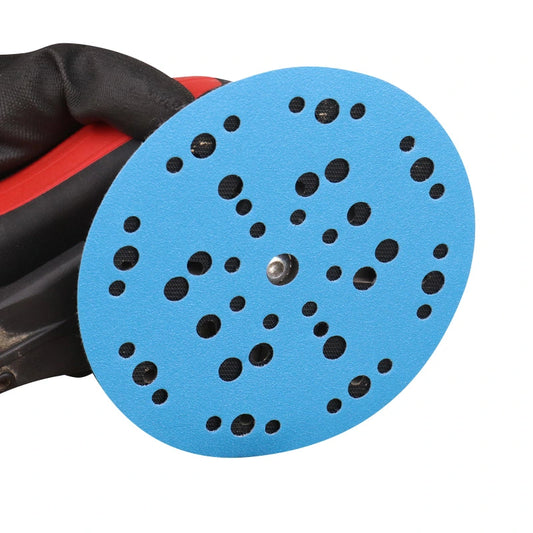
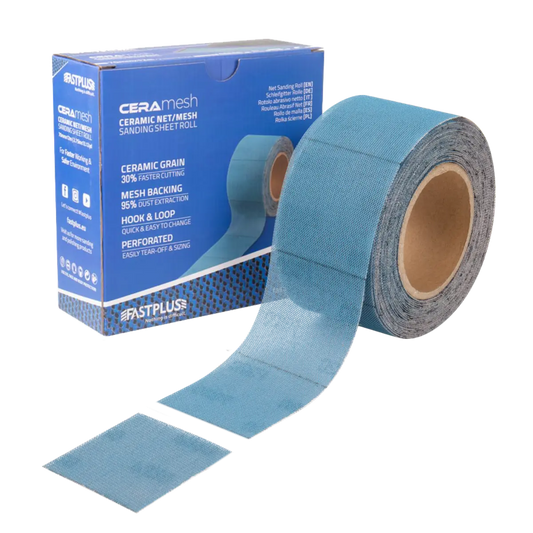
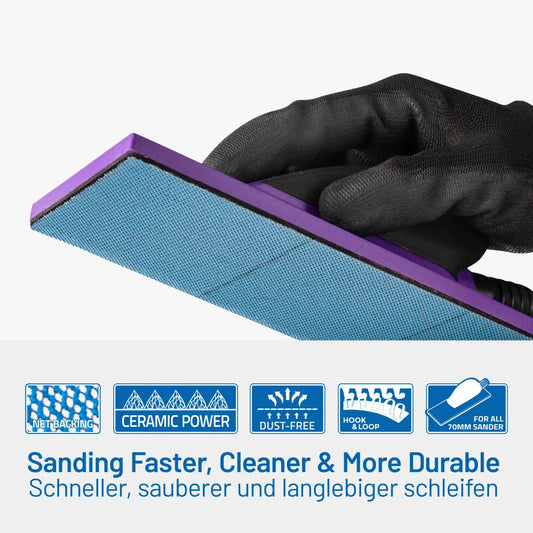
 For full-cycle drywall jobs covering medium blending, fine finishing, and luxury final smoothing, our CeraMesh Dust-free Ceramic Mesh Discs act as an all-round professional solution for contractors and DIY enthusiasts alike. Constructed with long-wearing ceramic abrasive grains and an open mesh structure, these discs capture over 95% of drywall dust at source while resisting mud loading far better than standard aluminum oxide alternatives. Available in 120, 180 and 240 grit in 125mm and 150mm diameters, they fit all standard orbital drywall sanders and deliver consistent scratch-free texture from intermediate blending through final pre-paint preparation.
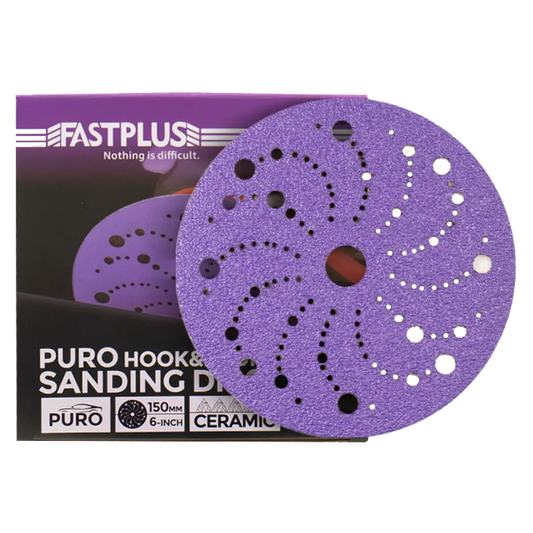
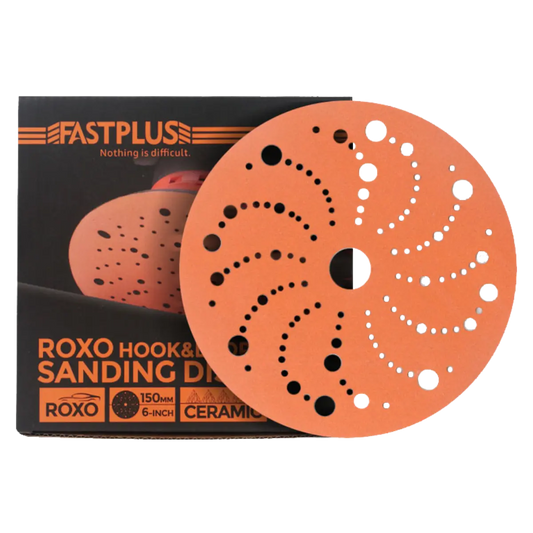
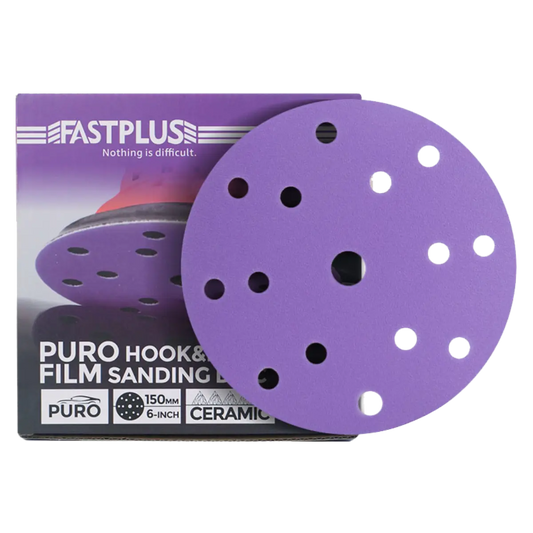
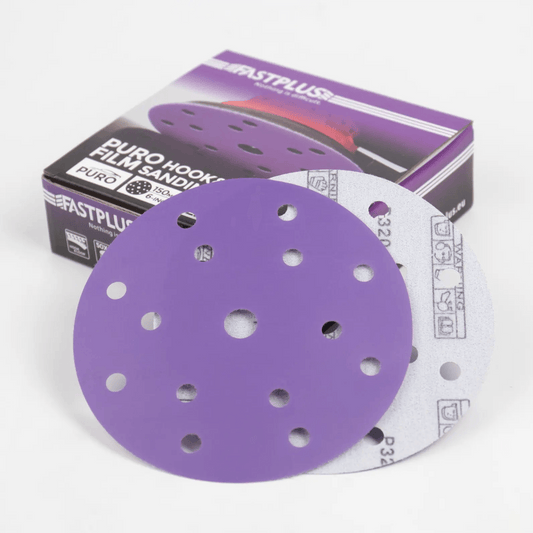
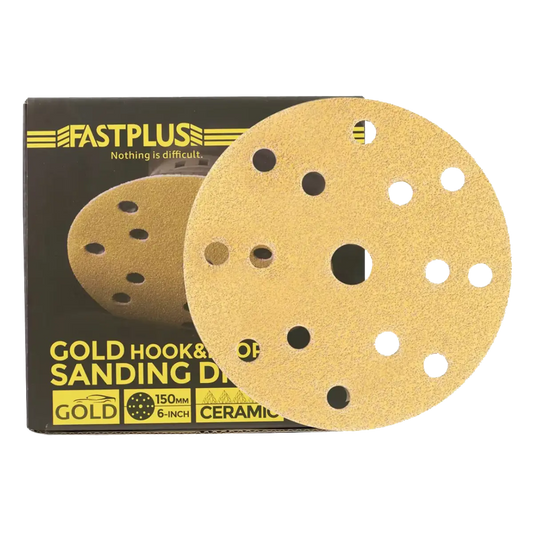
Fastplus supplies pre-assembled professional drywall sanding disc packs with matched grit sets covering 80/120/180/240, so tradespeople and home renovators do not need to source separate individual grit sizes. Both ceramic and aluminum oxide variants resist loading from drywall mud to maintain smooth sanding performance throughout large renovation jobs.
Clear Signs It’s Time to Switch to a Finer Grit Disc
Move up to the next finer grit stage when you notice any of these three conditions on your wall surface:
- All raised high spots, thick mud ridges and tape seams have been fully leveled flush with the drywall base
- The current grit disc can no longer smooth away visible texture or scratch patterns
- You can still feel coarse scratch indentations when running your palm lightly across the wall
Never rush through individual grit stages. Cutting corners to skip a sanding pass creates surface defects that demand extra touch-up mudding and re-sanding later, costing you extra time and abrasives.
Frequently Asked Questions About Drywall Sanding Disc Grits
Q: Can I skip 240 grit drywall sanding for standard residential rooms?
A: Absolutely. 240 grit is purely an optional luxury finishing step. Standard bedrooms, bathrooms, and storage areas look flawless after a full 80 → 120 → 180 grit sequence. Only use 240 grit for spaces with harsh direct lighting or premium flat/matte paint applications.
Q: Is 120 grit enough to sand drywall before painting?
A: No. 120 grit only removes coarse leveling scratches, but leaves micro-abrasion marks that show through thin paint layers. Always follow medium 120/150 grit with 180 or 220 grit for walls that will receive primer and paint.
Q: Why do my sanding discs clog so quickly when sanding drywall mud?
A: Generic solid sandpaper traps fine joint compound dust between abrasive grains. Multi-hole or mesh-style discs like our CeraMesh range pull dust away via your sander’s vacuum port, drastically reducing loading and clogging during long sanding sessions.
Q: Can I use the same grit sequence for ceilings and vertical drywall walls?
A: Yes, the exact same grit progression applies to ceilings and walls. Ceilings often benefit from an extra light 220 grit pass, as overhead lighting makes tiny scratches far more noticeable than vertical wall surfaces.
Q: What grit should I use for small drywall patch repairs?
A: Follow a mini version of the standard sequence: 100 grit to level excess patch mud, 150 grit to blend edges, then 180 grit for final smoothing before priming small wall fixes.
Conclusion
The ideal sanding disc grit workflow for drywall plasterboard follows a simple, industry-standard professional progression: 80/100 → 120/150 → 180/220 → optional 240. There is no random guesswork behind this sequence — each grit grade serves a clear, non-replaceable purpose to refine drywall surfaces step by step.
By sticking to this full grit breakdown, both hobby DIY renovators and professional trade contractors achieve seamless, blemish-free walls that deliver salon-quality paint finishes every single time. Matching the correct grit to each sanding stage cuts down on rework, reduces wasted sanding discs, and speeds up full renovation timelines.
Invest in high-performance multi-hole hook-and-loop sanding discs tailored for plasterboard, stick to the coarse-to-fine sanding rule, and you will eliminate nearly all common drywall sanding frustrations.
If you need pre-sorted grit packs for residential or commercial drywall jobs, browse the complete Fastplus range of drywall sanding abrasives built for long life and dust-free operation.