

Ceramic vs Aluminum Oxide Fiber Discs: What Professionals Prefer
Discover the differences in performance, durability, cutting speed, and cost to determine which fiber disc is the best choice for your metalworking applications.
What Is a Fiber Disc?
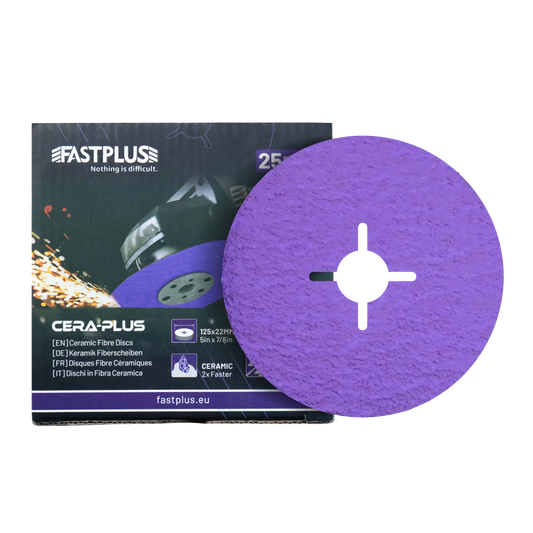
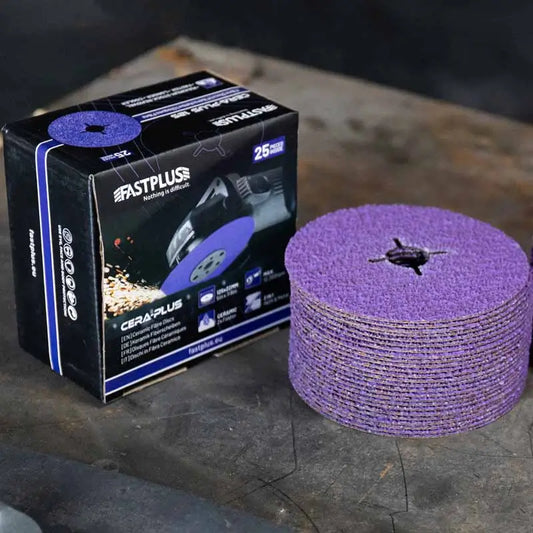
Fiber discs are resin-bonded abrasive discs designed for aggressive grinding, weld removal, rust removal, deburring, and metal surface preparation. Mounted on a backing pad and used with angle grinders, they offer excellent material removal rates while maintaining operator control.
The abrasive grain used on the surface largely determines how the disc performs. Among all available abrasive types, ceramic and aluminum oxide remain two of the most common choices.
Understanding Aluminum Oxide Fiber Discs
Aluminum oxide has been one of the most widely used abrasive grains for decades. It provides reliable performance at an affordable price and works well across many grinding applications.
Advantages of Aluminum Oxide Fiber Discs
- Lower initial cost
- Suitable for general grinding tasks
- Widely available in various grit sizes
- Good performance on mild steel and painted surfaces
- Ideal for maintenance and repair work
Limitations of Aluminum Oxide Fiber Discs
- Grains become dull more quickly
- Shorter lifespan compared to ceramic abrasives
- Higher heat generation
- Reduced cutting efficiency over time
- More frequent disc replacement required
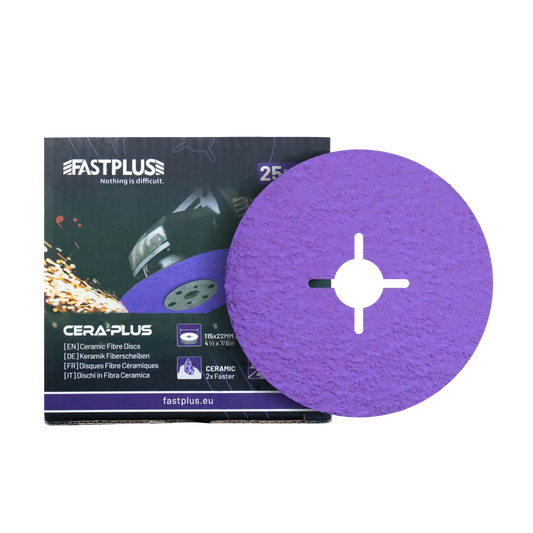
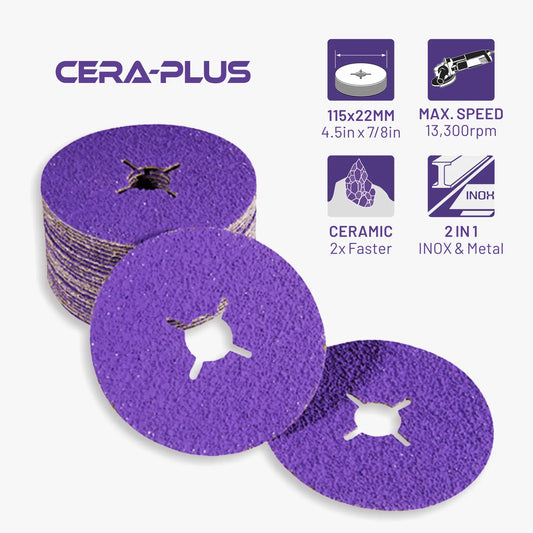
Understanding Ceramic Fiber Discs
Ceramic abrasives represent one of the most advanced abrasive technologies available today. Their engineered grain structure continuously fractures during grinding, exposing fresh cutting edges throughout the disc's life.
Advantages of Ceramic Fiber Discs
- Extremely fast cutting action
- Longer service life
- Self-sharpening abrasive grains
- Cooler grinding temperatures
- Excellent performance on stainless steel and hard alloys
- Reduced downtime and increased productivity
Ceramic vs Aluminum Oxide Fiber Discs: Side-by-Side Comparison
| Feature | Ceramic Fiber Disc | Aluminum Oxide Fiber Disc |
|---|---|---|
| Initial Cost | Higher | Lower |
| Cutting Speed | Excellent | Moderate |
| Disc Life | Very Long | Shorter |
| Heat Generation | Low | Higher |
| Stainless Steel | Excellent | Fair |
| Heavy Stock Removal | Excellent | Moderate |
| Productivity | High | Average |
| Long-Term Value | Excellent | Moderate |
Why Professionals Prefer Ceramic Fiber Discs
In modern fabrication shops, labor costs are often significantly higher than abrasive costs. As a result, professionals focus on productivity rather than simply choosing the cheapest abrasive available.
1. Faster Material Removal
Ceramic fiber discs remove welds and excess material much faster than aluminum oxide alternatives. This allows operators to complete jobs more efficiently and reduce overall labor time.
2. Longer Disc Life
Because ceramic grains continuously expose fresh cutting edges, one ceramic disc can often outlast multiple aluminum oxide discs in demanding applications.
3. Lower Heat Generation
Heat is a major concern when grinding stainless steel. Excessive heat can discolor surfaces and damage material integrity. Ceramic abrasives typically run cooler and help prevent these issues.
4. Consistent Performance
Unlike aluminum oxide discs that gradually lose cutting efficiency, ceramic fiber discs maintain aggressive cutting action throughout their lifespan.
When Aluminum Oxide Fiber Discs Still Make Sense
Despite the advantages of ceramic abrasives, aluminum oxide remains useful in several situations.
- Occasional DIY projects
- Light-duty metal grinding
- Paint removal applications
- General maintenance work
- Budget-sensitive operations
For users who do not require maximum productivity, aluminum oxide can still provide excellent value.
Best Applications for Ceramic Fiber Discs
- Weld grinding and blending
- Heavy stock removal
- Stainless steel fabrication
- Automotive metal repair
- Industrial manufacturing
- Aerospace component preparation
- High-volume production environments
Choosing the Right Grit
| Grit Range | Recommended Use |
|---|---|
| 24-36 | Heavy weld removal and aggressive stock removal |
| 50-60 | General grinding and surface leveling |
| 80 | Surface preparation and blending |
| 120+ | Fine finishing and paint preparation |
Cost vs Value: Looking Beyond Price
Many buyers focus only on the purchase price of a fiber disc. However, professionals typically evaluate the total grinding cost, including labor, productivity, disc lifespan, and downtime.
Although ceramic fiber discs cost more upfront, their superior performance often reduces the overall cost per job. This is why many fabrication shops have shifted toward ceramic abrasive systems in recent years.
Frequently Asked Questions
Are ceramic fiber discs worth the extra cost?
Yes. In most professional grinding applications, ceramic discs provide faster cutting, longer life, and lower overall operating costs.
Can ceramic fiber discs be used on stainless steel?
Absolutely. Ceramic abrasives are among the best choices for stainless steel because they cut aggressively while generating less heat.
Do aluminum oxide fiber discs wear out faster?
Generally yes. Aluminum oxide grains dull more quickly, leading to reduced cutting efficiency and shorter disc life.
Which fiber disc is better for weld removal?
Ceramic fiber discs are typically preferred because they remove weld material faster and maintain cutting performance longer.
Choose the Right Fiber Disc for Maximum Productivity
Whether you're grinding welds, preparing stainless steel, or performing heavy stock removal, selecting the right abrasive can dramatically improve efficiency and reduce costs.