

How to Dry Sand Your Guitar’s Clear Coat?
Dry sanding a guitar’s clear coat is a delicate and highly controlled process used by luthiers, refinishers, and restoration professionals to level imperfections, prepare the surface for polishing, and achieve a perfectly smooth, glass-like finish. Unlike wet sanding, which uses water or lubrication to reduce heat and dust, dry sanding offers greater visibility, making it easier to track progress, correct problem areas, and avoid oversanding. However, because the risks are higher—such as scratches, heat buildup, and potential burn-through—you must understand the techniques, tools, and safety steps before starting.
This comprehensive guide walks you through everything you need to know about how to safely and effectively dry sand a guitar’s clear coat, from preparation and grit sequence to troubleshooting and final polishing.
What Is Dry Sanding a Guitar Finish?
Dry sanding is a surface-leveling process performed without water or lubricant, using abrasive sheets, sanding discs, or sanding blocks. It is commonly used in guitar finishing to:
- Flatten orange peel, dust nibs, or uneven clear coat layers
- Level the surface before polishing and buffing
- Prepare a cured polyurethane, polyester, or nitrocellulose finish for further steps
- Correct minor surface defects without stripping the finish
Dry sanding provides high control, making it ideal when you need precision and immediate visual feedback—essential when working on a high-gloss finish.
When Should You Dry Sand a Clear Coat?
You should consider dry sanding when:
1. The clear coat is fully cured
A guitar finish must be completely hardened before sanding.
- Nitrocellulose lacquer: often requires 2–4 weeks of cure time
- Polyurethane and polyester: usually cure faster but still need 1–2 weeks depending on formula
Sanding too early can cause clogging, uneven leveling, or soft-surface tearing.
2. You want maximum visibility during leveling
Dry sanding shows defects instantly—no water film is hiding scratches or dips.
3. You are removing small imperfections
Dust nibs, slight orange peel, or pimple-like bumps are easy to level by dry sanding.
4. You’re preparing the finish for high-gloss polishing
Professional luthiers often dry sand before machine buffing because the resulting scratch pattern is easier to polish out with compounds.
Tools and Materials You Will Need
To safely dry sand a guitar’s clear coat, gather:
Abrasives for Guitar
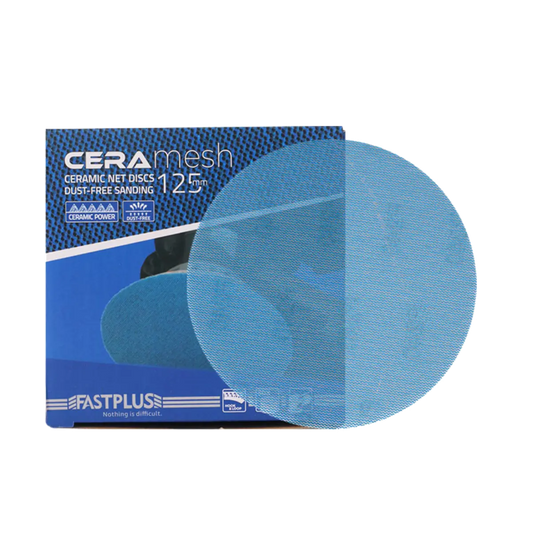
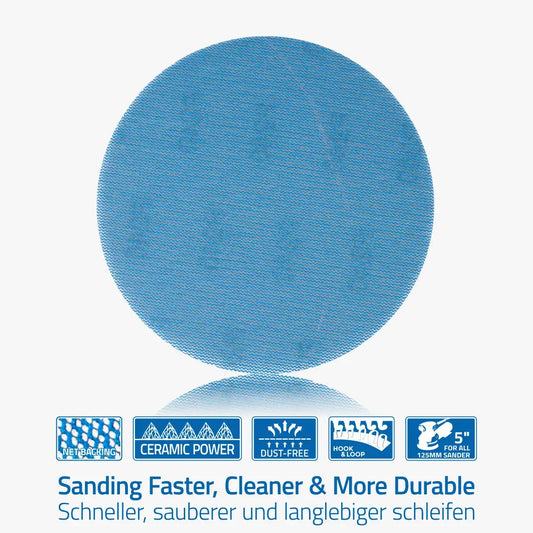
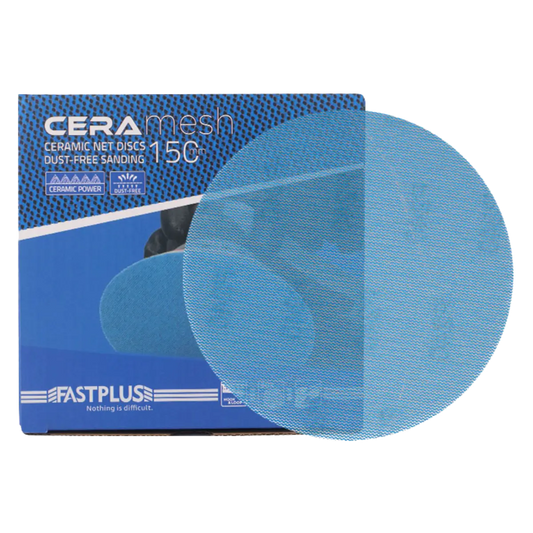
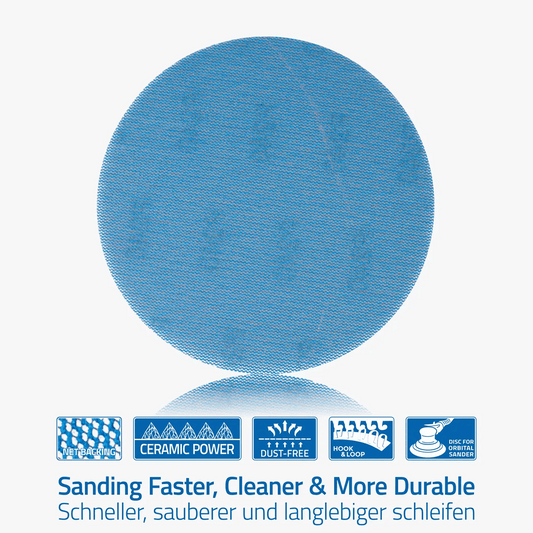
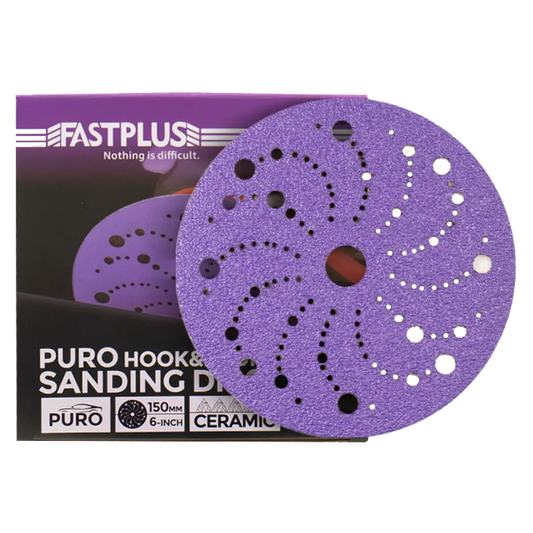
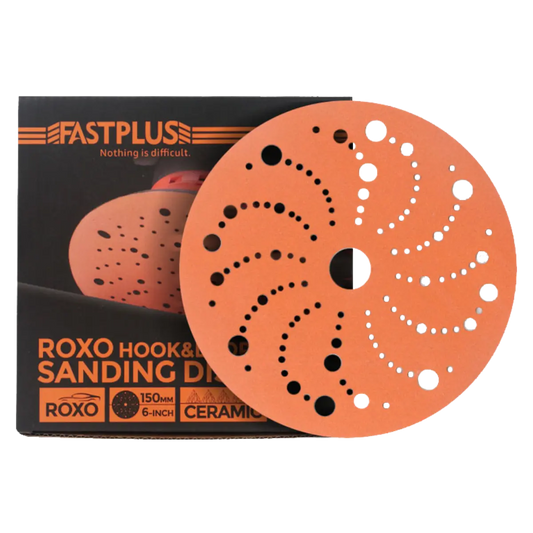
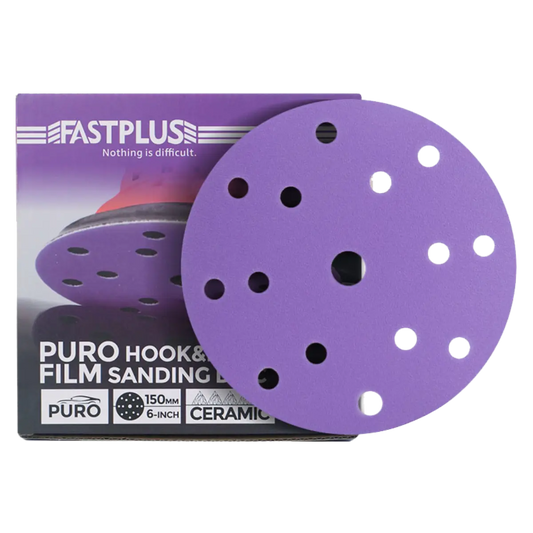
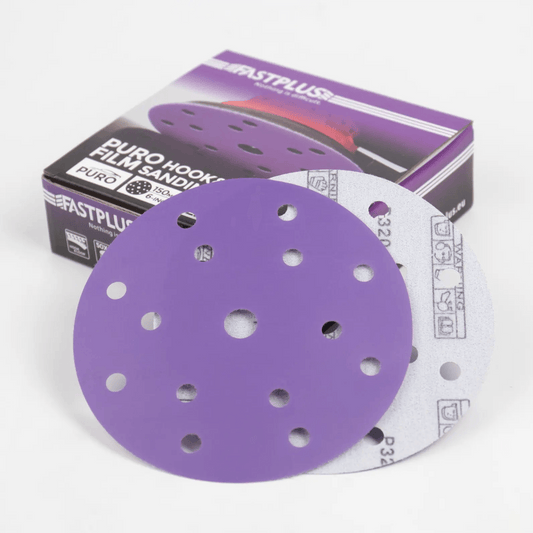
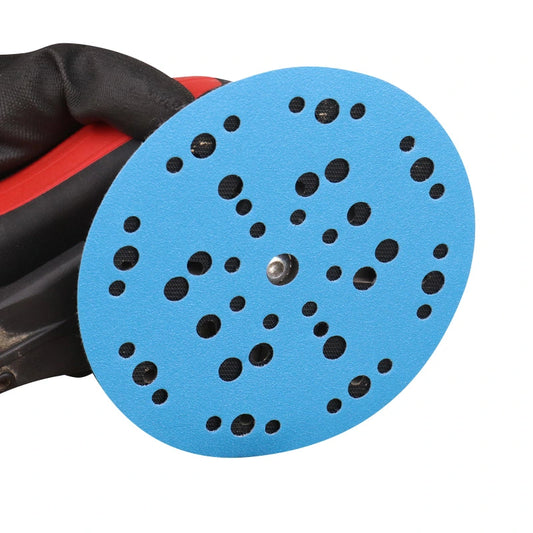
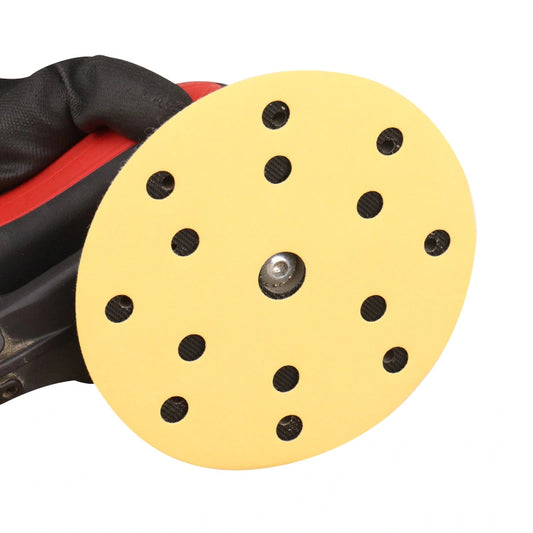
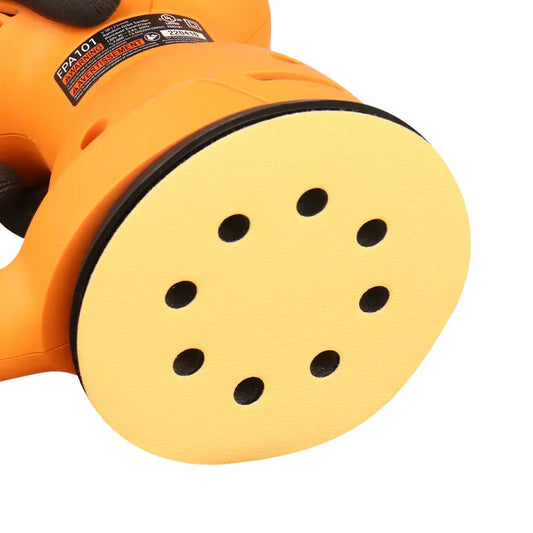
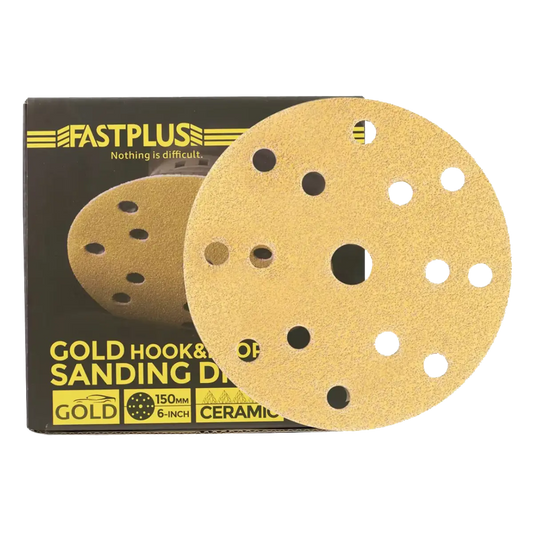
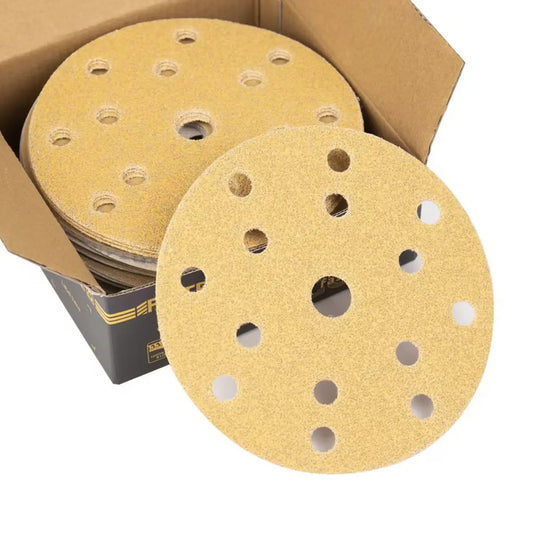
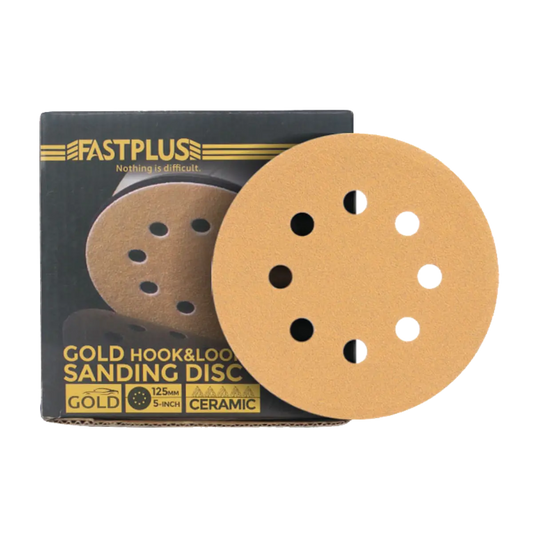
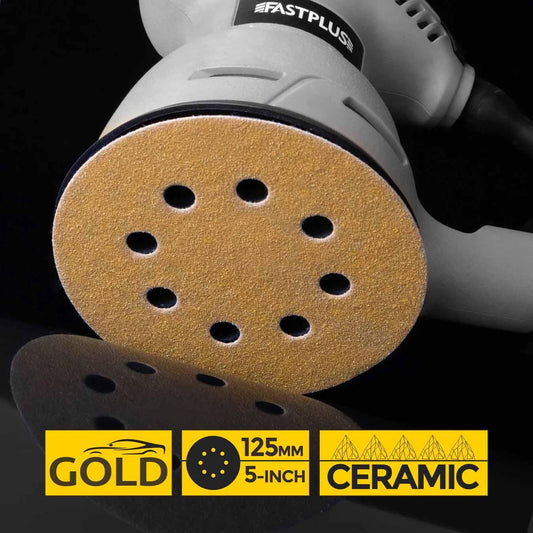
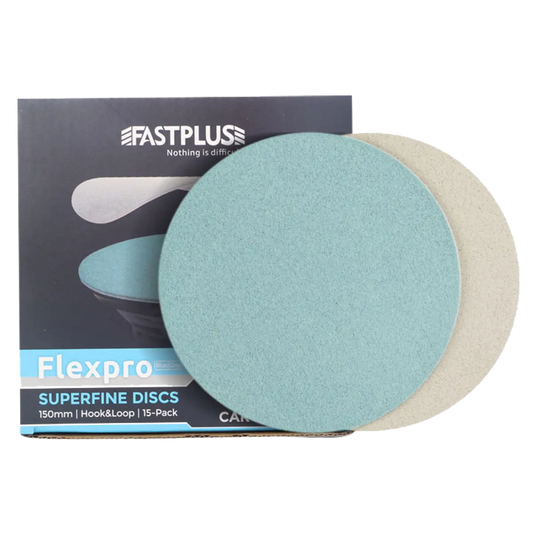
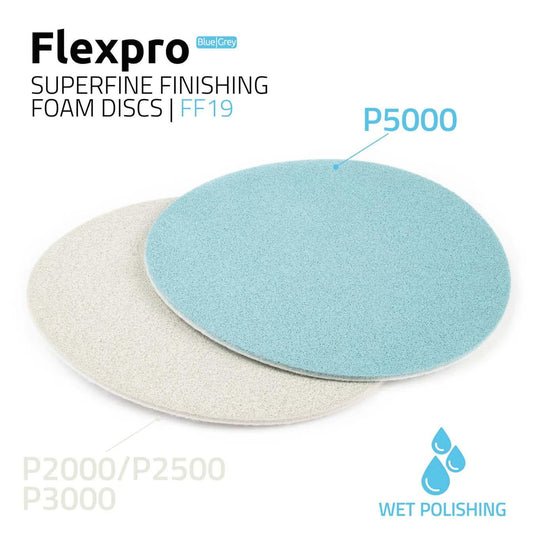
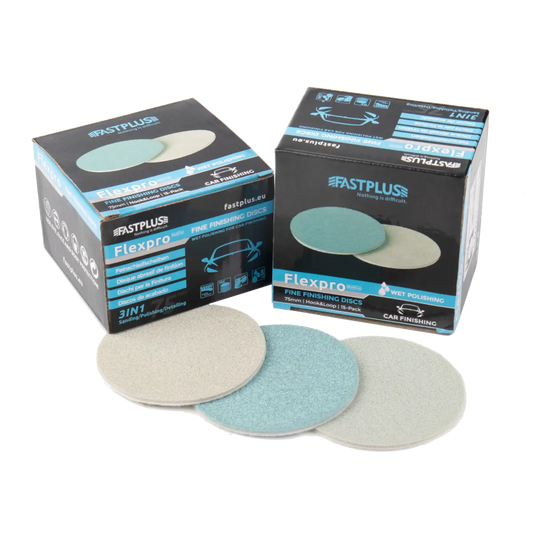
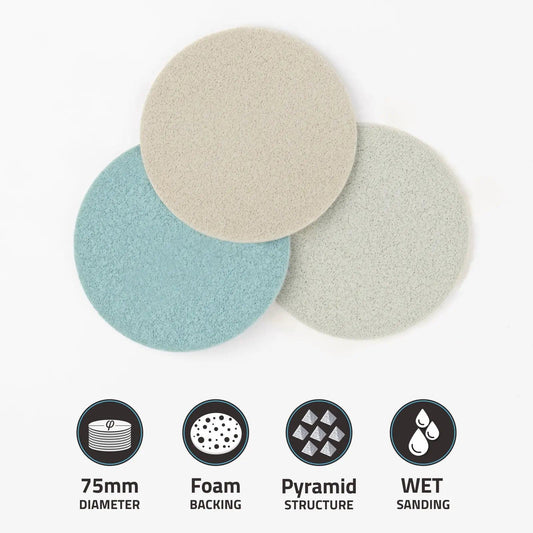
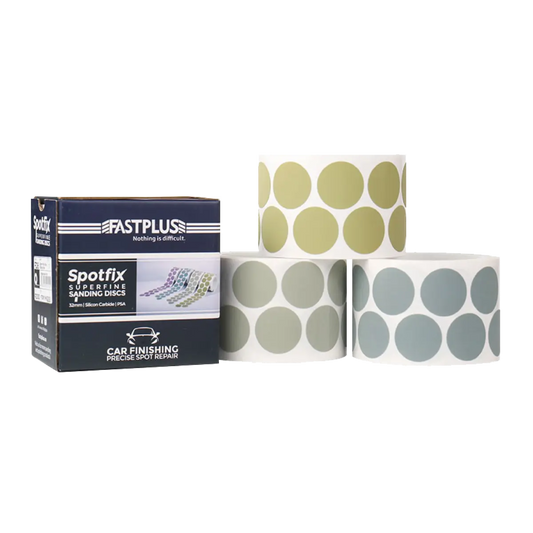
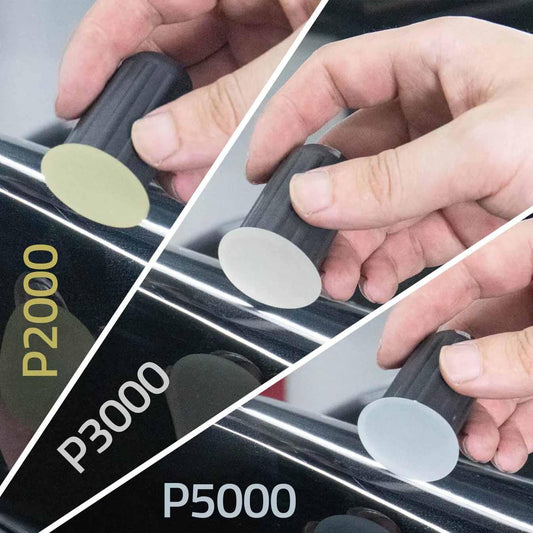
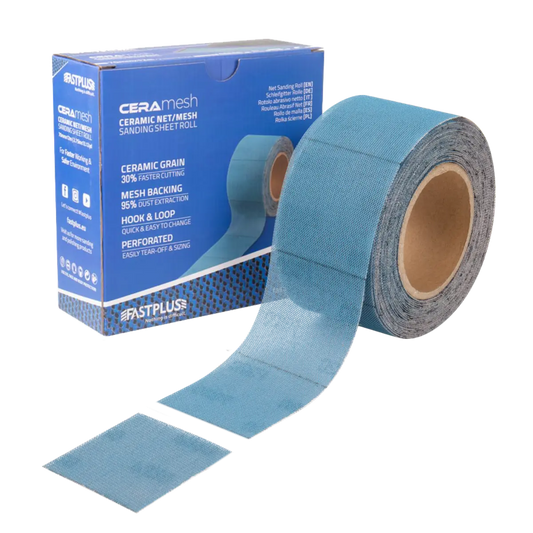
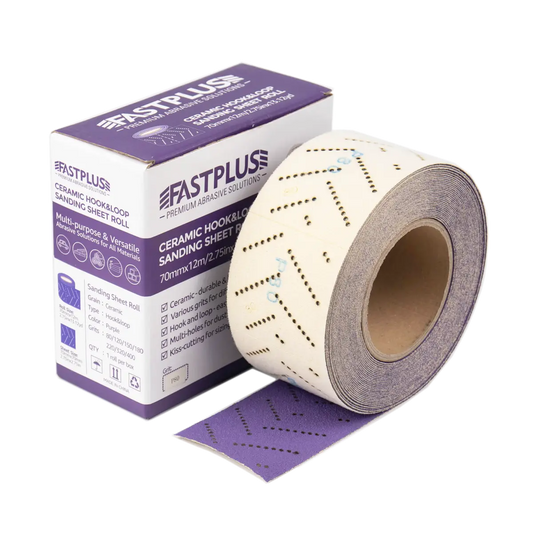
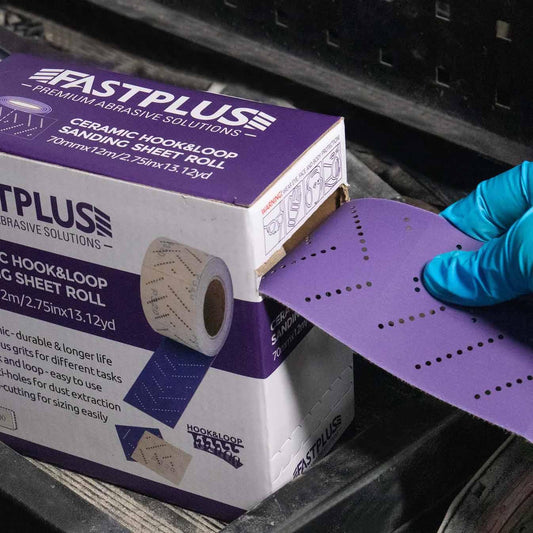
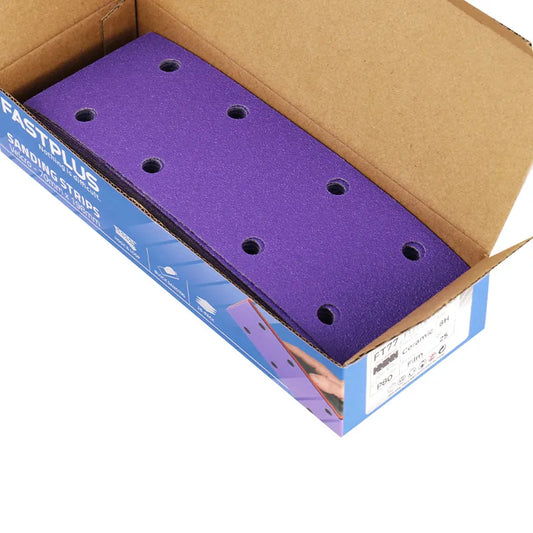
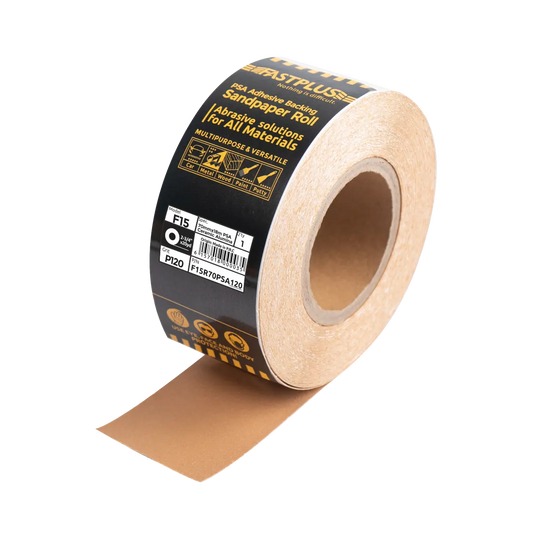
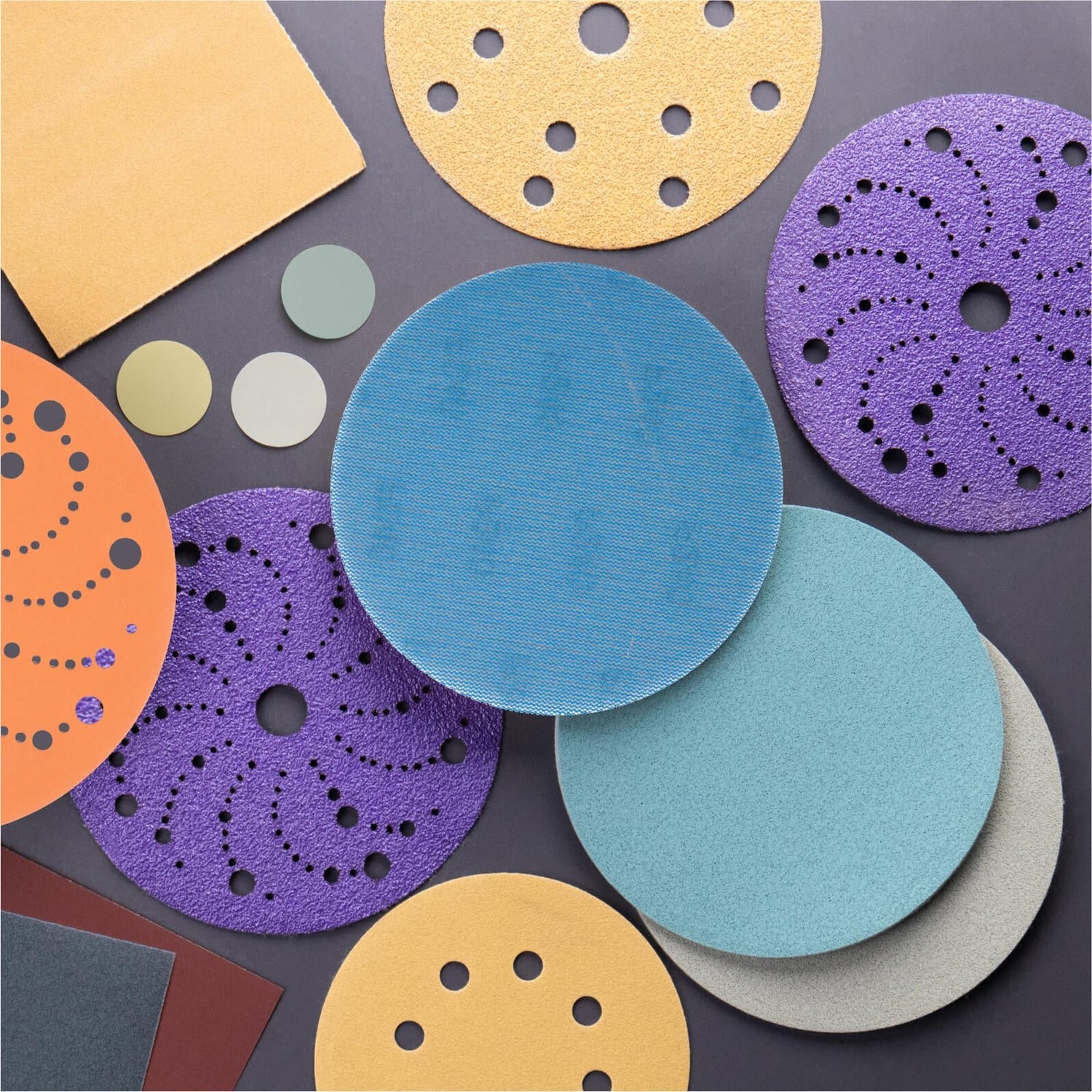
- High-quality sandpaper sheets, sanding strips, or sanding discs
- Grit range: 800, 1000, 1200, 1500, 2000, and optionally 2500–3000
Avoid low-quality abrasive paper that clogs, tears, or scratches unpredictably.
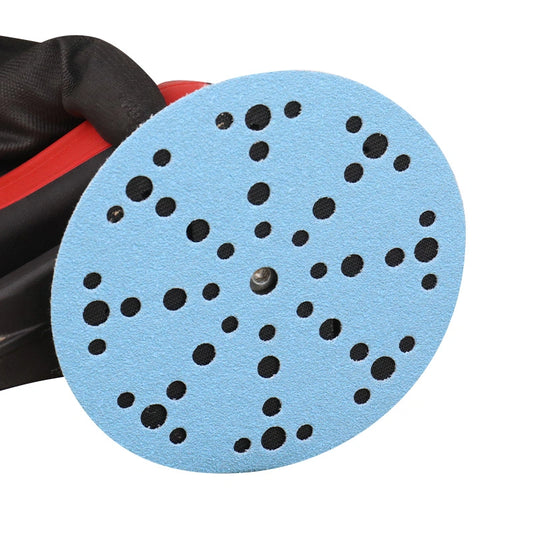
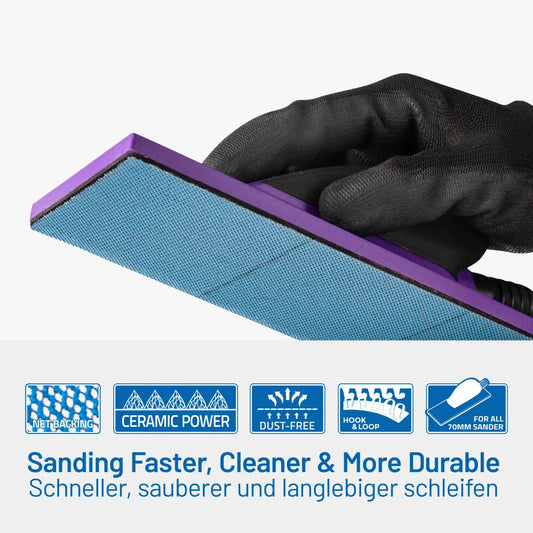
Sanding Blocks or Pads
- Soft foam sanding block
- Hard mini-block for flat surfaces
- Micro-sanding pads for contours
Dust Removal Tools
- Soft microfiber cloth
- Tack cloth
- Compressed air (optional)
Safety Materials
- Respirator or dust mask
- Eye protection
Dry sanding creates a very fine dust that should not be inhaled.
Lighting
- A bright, angled inspection light is essential for checking the surface.
Step-by-Step Guide: How to Dry Sand a Guitar’s Clear Coat
Step 1: Inspect and Clean the Guitar
Before sanding, carefully inspect the clear coat for:
- Orange peel texture
- Small bumps or debris trapped in the finish
- Uneven gloss patches
- Old polishing compound residue
Wipe the surface with a clean microfiber cloth. Avoid using silicone-based cleaners, which can interfere with sanding or polishing.
Step 2: Mask Off Sensitive Areas
Use high-quality painter’s tape to protect:
- Fretboard edges
- Binding (if soft or prone to tint absorption)
- Pickups, knobs, and hardware (if not removed)
This prevents accidental sanding damage.
Step 3: Start with the Correct Grit
Most clear coat leveling begins with:
- 800 or 1000 grit for correcting orange peel or noticeable surface texture
- 1200 or 1500 grit for minor imperfections or previously leveled surfaces
Important: Do not start too coarse. You should sand as fine as possible while still achieving leveling. Starting too aggressive can create deep scratches that require extensive polishing later.
Step 4: Sand Using Light, Controlled Pressure
Hold your sandpaper on a sanding block or pad to distribute pressure evenly. Sand in small, overlapping circular or crosshatch motions.
Key guidelines:
- Keep the sandpaper clean—tap or blow out dust regularly
- Do not press hard; let the abrasive do the work
- Stop frequently to inspect the surface
Dry sanding reveals progress immediately. Your goal is to produce a uniformly dull, even surface with no shiny low areas.
Step 5: Re-Check the Surface Frequently
After 10–15 seconds of sanding, wipe the dust and check your work under good light.
You're watching for:
- Flatness
- Removal of bumps
- Even matte surface
- No breakthrough of color coat
If shiny spots remain, those are low areas that are not yet leveled.
Step 6: Move Up the Grit Sequence
Once you achieve a uniform 1000–1200 grit matte finish, progress through finer grits:
- 1500 grit – smooths out previous scratches
- 2000 grit – prepares for polishing
- 2500 or 3000 grit – optional ultra-fine finish for high-gloss buffing
Each grit should remove the scratches from the previous one.
Step 7: Sand the Contours Carefully
Pay special attention around:
- Arm bevels
- Cutaways
- Neck heel
- Headstock curves
These areas are easy to oversand. Use a flexible foam pad and very light touch.
Step 8: Final Dust Removal
When finished sanding:
- Wipe the guitar thoroughly
- Use a tack cloth to remove micro-dust
- Inspect under a strong angled light
You should see a smooth, perfectly matte surface without glossy patches or swirl marks.
After Dry Sanding: Polishing and Buffing
Dry sanding prepares the guitar for the polishing stage. To bring back the shine:
1. Use a medium-grade polishing compound
This removes 1500–2000 grit scratches.
2. Follow with a fine-grade finishing compound
Creates a deep gloss and eliminates haze.
3. Optional: Machine buffing
Using a buffing wheel or dual-action polisher speeds up the process but requires caution to avoid burning through the finish.
4. Final Protection
Apply guitar-safe polish or wax to protect the surface.
Common Mistakes to Avoid
1. Sanding Before the Clear Coat Is Fully Cured
Soft finishes clog paper and sand unevenly—leading to dips.
2. Using Too Coarse a Grit
Starting with 400–600 grit can cut through the clear coat quickly.
3. Applying Too Much Pressure
You should barely feel resistance when sanding. Heavy pressure causes:
- Deep scratches
- Heat buildup
- Uneven sanding
- Burn-through
4. Not Checking the Surface Often
Dry sanding demands constant inspection. Over-leveling is irreversible.
5. Skipping Grit Steps
Each step is designed to refine the previous scratch pattern.
6. Ignoring Dust Safety
Clear coat dust is extremely fine—always wear a mask.
Troubleshooting Guide
Problem: Shiny Low Spots That Won’t Disappear
These spots indicate valleys in the clear coat.
- Continue sanding lightly
- If they remain, the clear coat layer may be too thin
Solution: Add more clear coat layers and retry later.
Problem: Deep Scratches from Early Grit
You may have started too coarse or pressed too hard.
Fix:
- Move to 1500 grit and re-sand
- Then re-polish
Problem: Burn-Through (Color Shows Through)
This occurs when you sand too far.
Fix:
- You must reapply clear coat
- Allow to cure
- Level again with very fine grits
Problem: Dust Clogging the Sandpaper
Use premium abrasive products, tap frequently, and do not sand soft surfaces.
Dry Sanding vs Wet Sanding: Which Is Better?
| Dry Sanding | Wet Sanding |
|---|---|
| Better visibility | Lower friction |
| Faster inspection | Cools surface |
| Easier to control locally | Reduces dust |
| Higher clogging risk | Slower progress |
| Requires careful pressure | Harder to see defects |
Dry sanding is ideal for fine control, while wet sanding suits heavy leveling. Many luthiers combine both.
Final Thoughts
Dry sanding a guitar’s clear coat is a precise, skill-intensive process that demands patience, control, and attention to detail. When performed correctly, it produces a level, flawless surface ready for polishing into a mirror-like gloss. By using a careful grit progression, maintaining a light touch, protecting sensitive areas, and inspecting constantly, even a beginner can achieve professional-grade results.
Mastering this technique will elevate your guitar finishing projects—whether you’re restoring an older instrument, refining a new build, or simply chasing that perfect high-gloss shine.