

Flexible Abrasive Tools for Hard-to-Reach Areas
Master the art of sanding and polishing tight corners, curved surfaces, and intricate crevices with professional-grade flexible tools

Professional flexible abrasive tools adapting to curved surfaces for a flawless finish
Whether you’re a professional automotive detailer, a woodworking enthusiast, a metal fabricator, or a DIYer tackling home renovations, one common challenge plagues every project: achieving a smooth, consistent finish in hard-to-reach areas. Tight corners, curved surfaces, intricate crevices, and awkward angles—these spots are often the downfall of an otherwise perfect sanding or polishing job. Rigid abrasive tools like standard sanding blocks or flat discs simply can’t conform to irregular shapes, leaving behind rough patches, missed spots, or even damage to delicate surfaces. That’s where flexible abrasive tools come in: designed to bend, contour, and adapt to the trickiest areas, they’re the secret to achieving professional-grade results, no matter how hard the surface is to access.
In this comprehensive guide, we’ll dive deep into flexible abrasive tools—what they are, why they’re essential, the different types available, and how to use them effectively across a range of materials and applications. By the end, you’ll have the knowledge to choose the right flexible tool for your project, avoid common mistakes, and master the art of sanding and polishing hard-to-reach areas with confidence.
Why Flexible Abrasive Tools Are Non-Negotiable for Hard-to-Reach Areas
Before we explore the types of flexible abrasive tools, let’s first understand why rigid tools fall short in tight or curved spaces. Rigid sanding tools are designed for flat, open surfaces—think sanding a wooden tabletop or a car’s hood. When you try to use them on a curved surface (like a guitar body), a tight corner (like a cabinet hinge), or a crevice (like a boat’s hull seam), the tool can only make contact with a small portion of the area. This leads to uneven sanding: some spots get over-sanded (resulting in scratches or dents), while others are completely missed (leaving rough, unpolished patches).
Flexible abrasive tools solve this problem by adapting to the shape of the surface. Their bendable, conformable design allows them to make full contact with curved, angular, or narrow areas, ensuring consistent sanding pressure and a uniform finish. Additionally, flexible tools are often lighter and more maneuverable than rigid alternatives, making it easier to control the tool in tight spaces without straining your hands or risking damage to the workpiece.
Another key benefit of flexible abrasives is their versatility. Unlike rigid tools that are limited to specific surfaces, flexible tools can be used on a wide range of materials—wood, metal, plastic, paint, fiberglass, and more. Whether you’re sanding the interior of a car’s dashboard, the curves of a wooden chair, or the intricate details of a metal sculpture, a flexible abrasive tool can handle the job.
Types of Flexible Abrasive Tools for Hard-to-Reach Areas
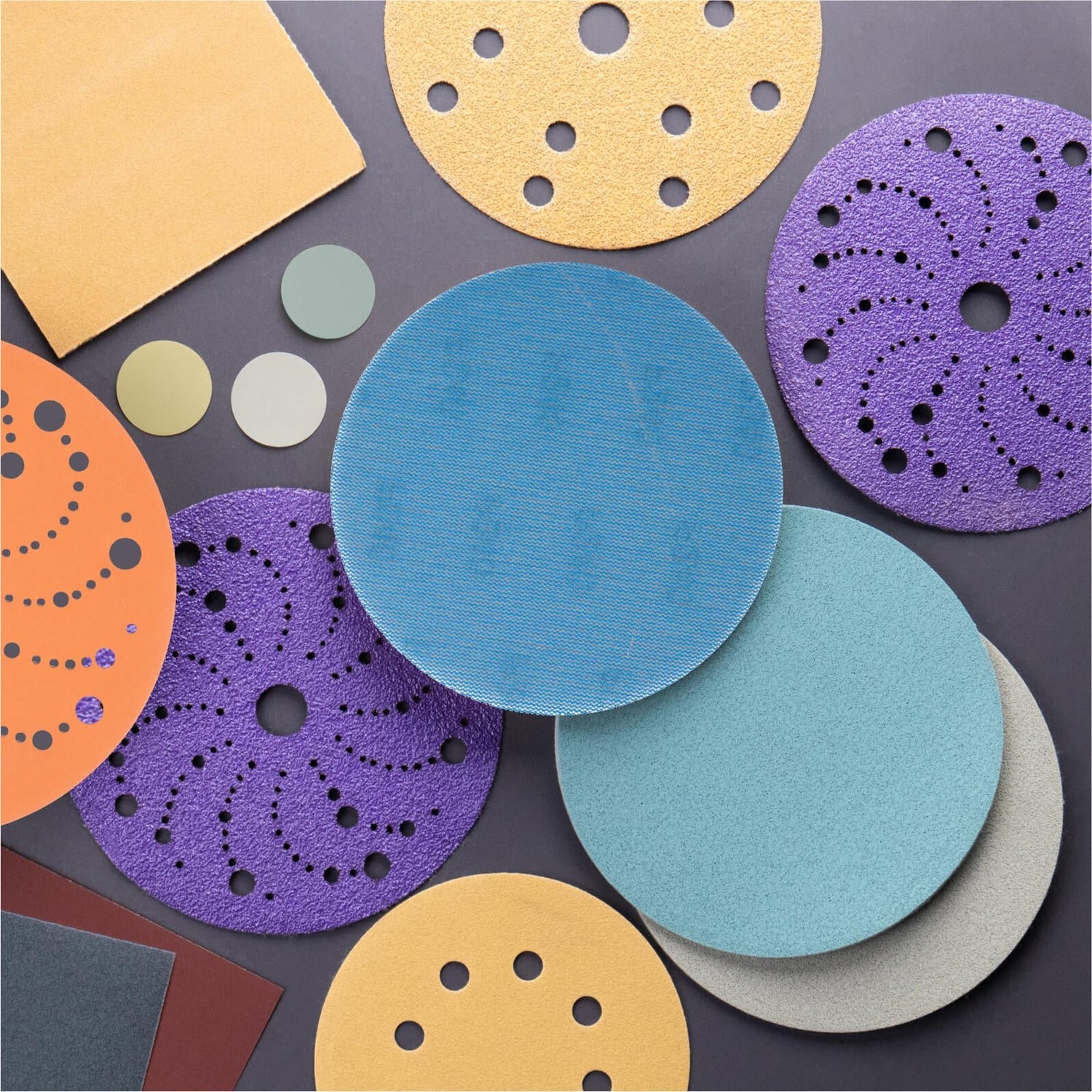
Flexible abrasive tools come in a variety of shapes, sizes, and configurations, each designed for specific applications and hard-to-reach spots. Below are the most common types, along with their uses, advantages, and tips for getting the best results.

A variety of flexible abrasive tools designed for different hard-to-reach applications
• Flexible Sanding Discs (Hook & Loop and PSA)
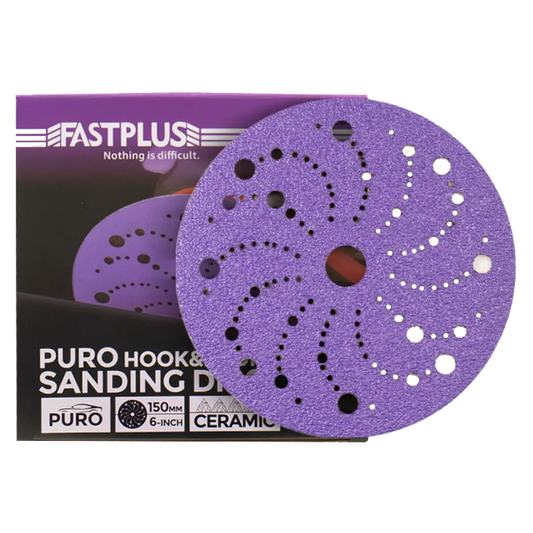
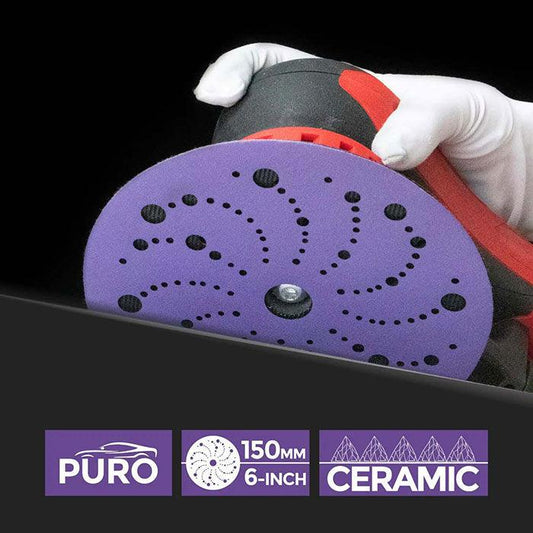
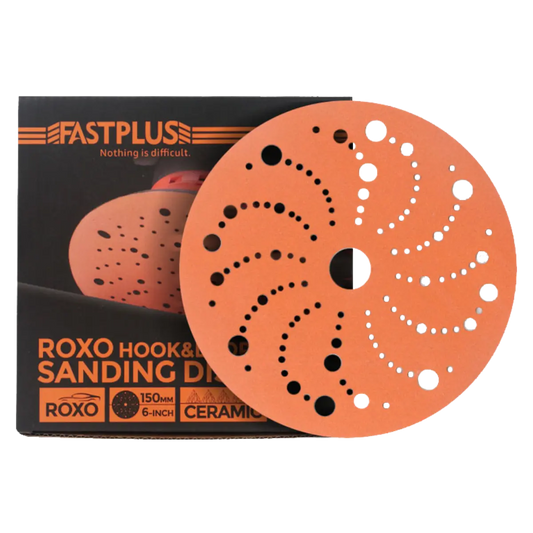
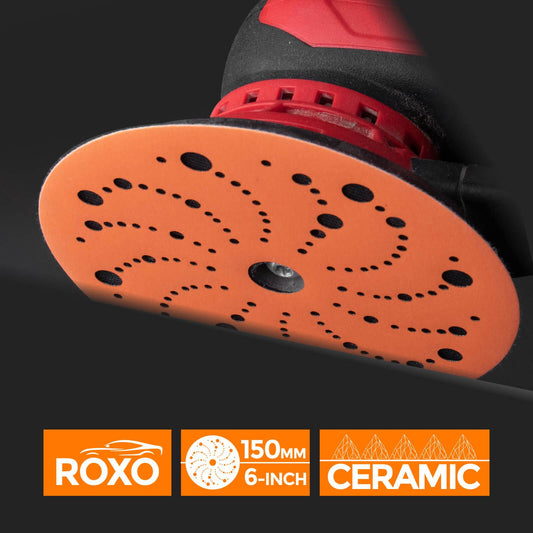
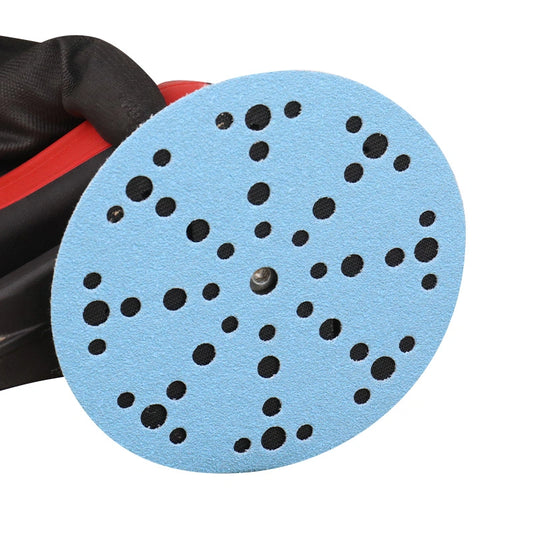
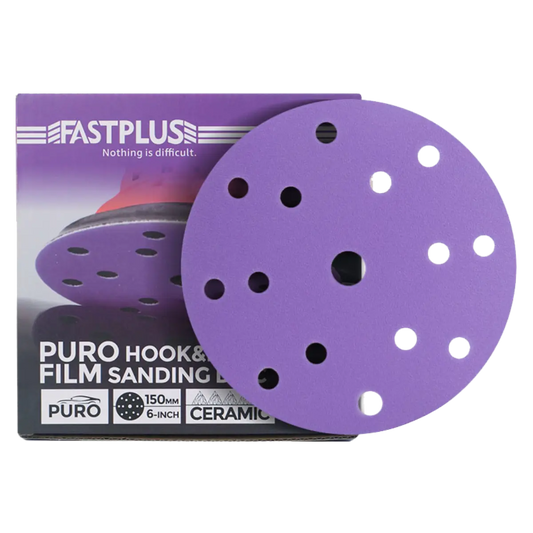
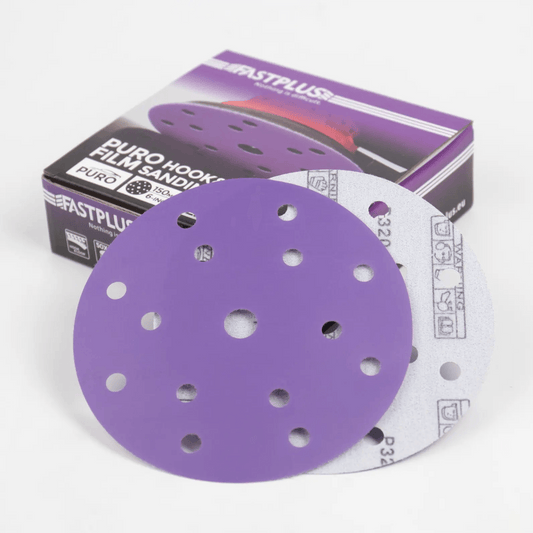
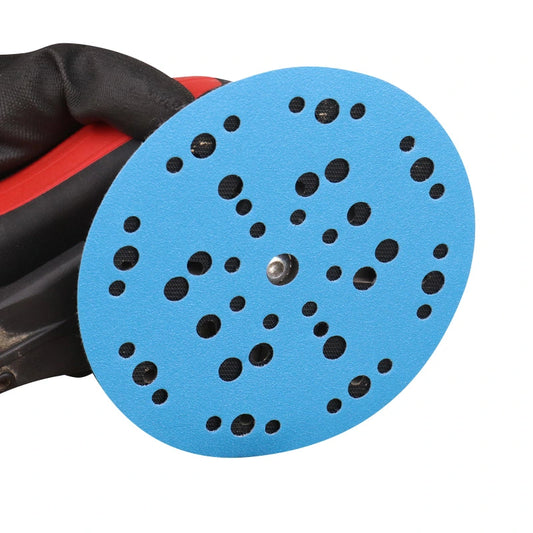
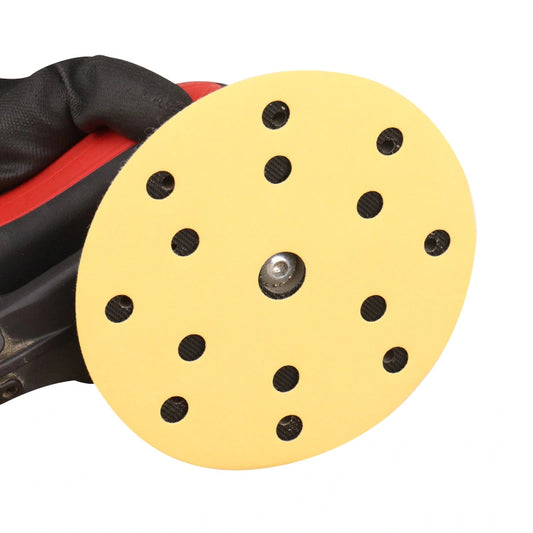
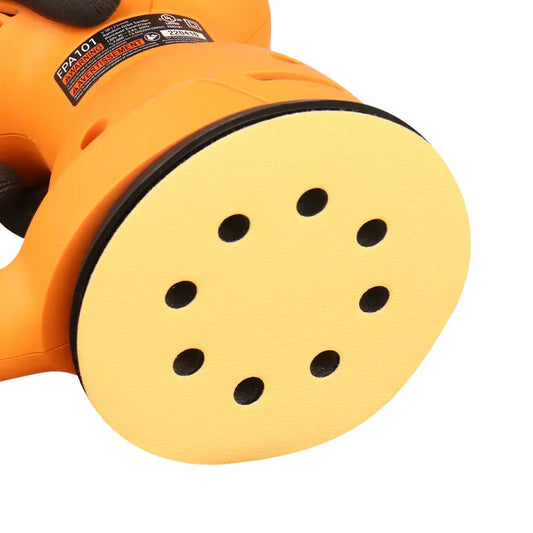
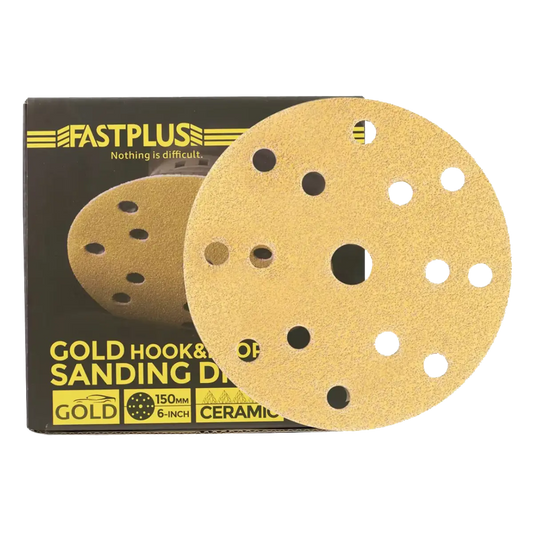
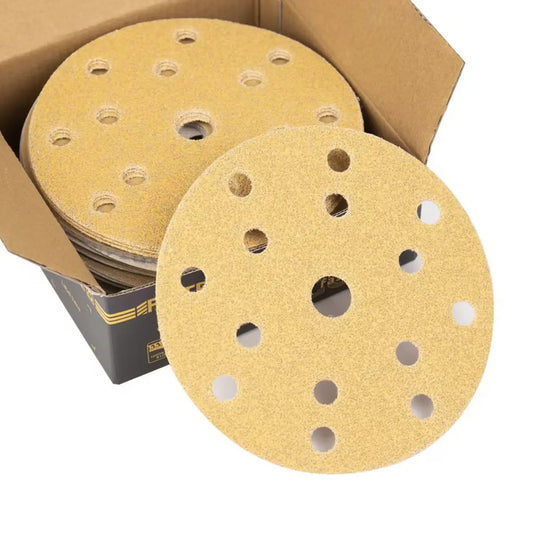
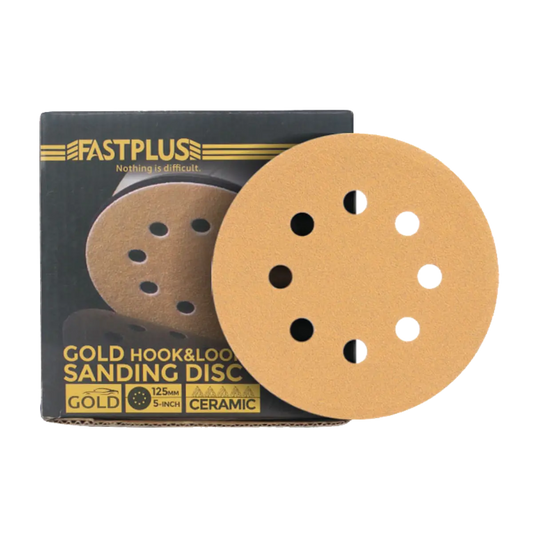
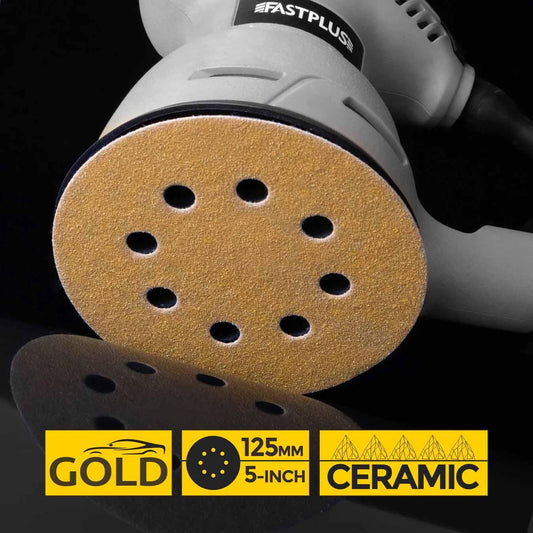
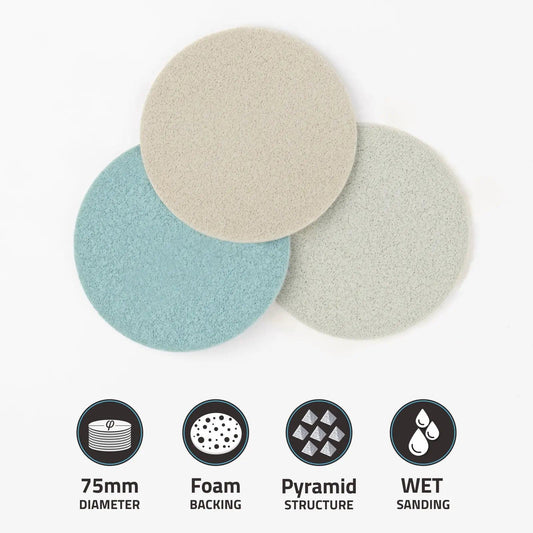
Flexible sanding discs are one of the most popular and versatile tools for hard-to-reach areas. Made with a flexible foam or fabric backing, these discs can bend to fit curved surfaces, while their hook-and-loop (Velcro) or PSA (pressure-sensitive adhesive) attachment makes them easy to swap out on sanding tools like orbital sanders, die grinders, or handheld sanders.
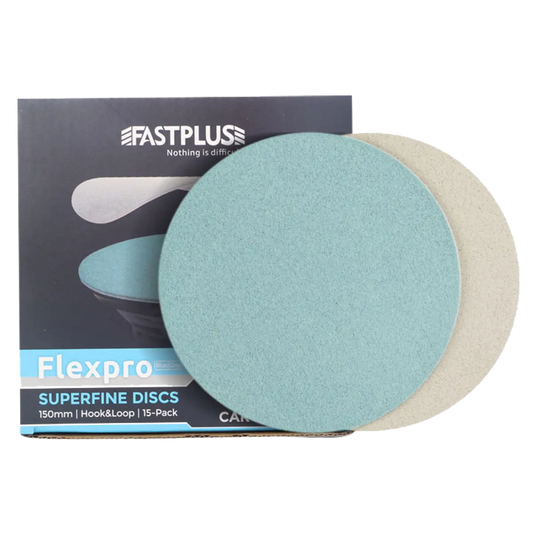
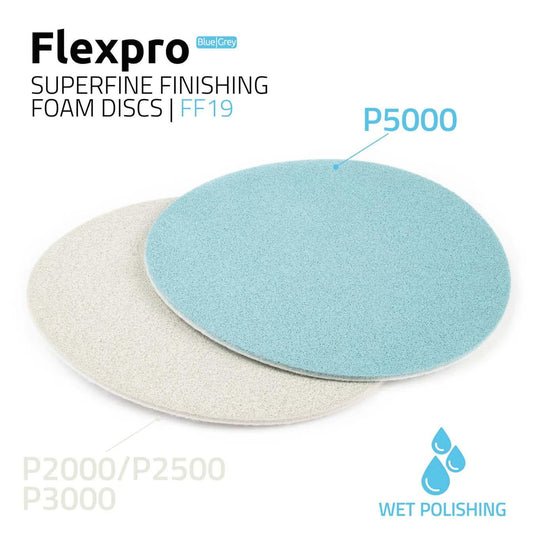
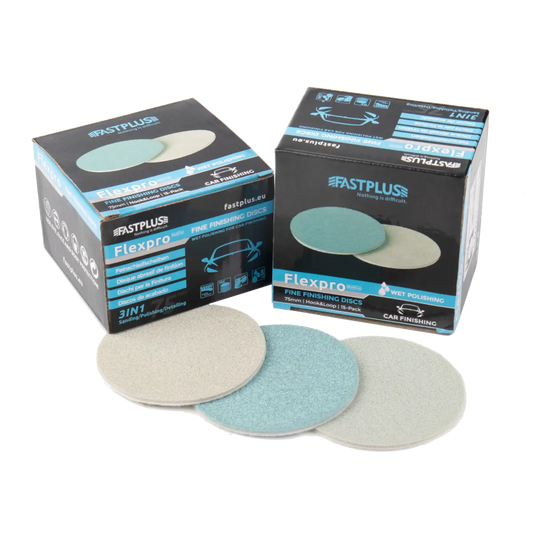
Fastplus’s FlexPro FF19 Fine Finishing Foam Discs are a prime example of high-quality flexible sanding discs. Designed with a soft, conformable foam backing, these discs excel at smoothing curved surfaces—like car bumpers, guitar bodies, or furniture legs—without leaving behind swirl marks. They’re available in a range of grits (from 120 to 3000), making them suitable for everything from rough sanding to fine finishing.
Tip: Use a lightweight orbital sander with a flexible pad to maximize the disc’s conformability. For extremely tight curves, fold the disc in half to create a smaller, more maneuverable surface.
• Sanding Rolls & Strips
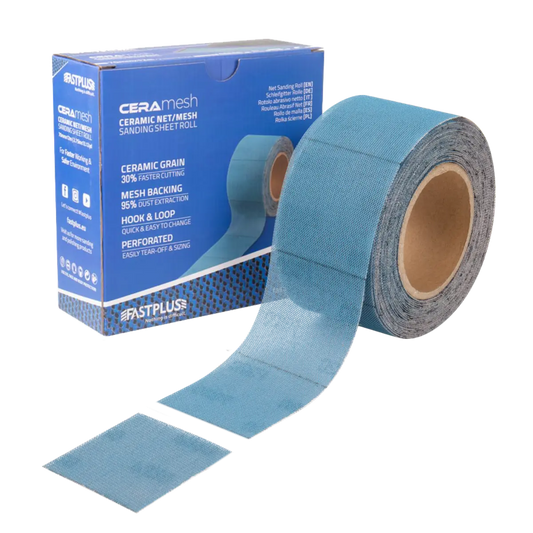
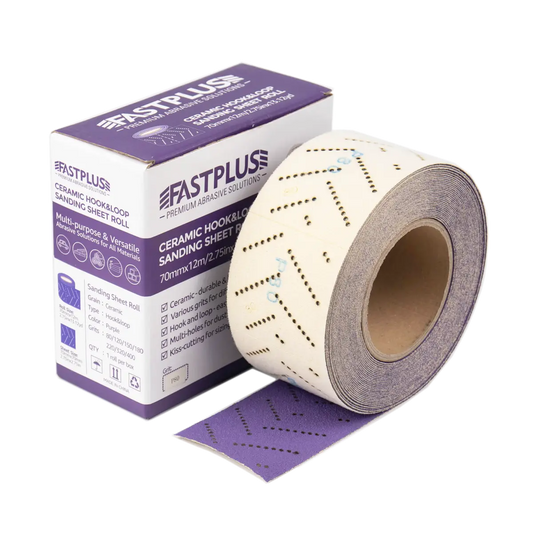
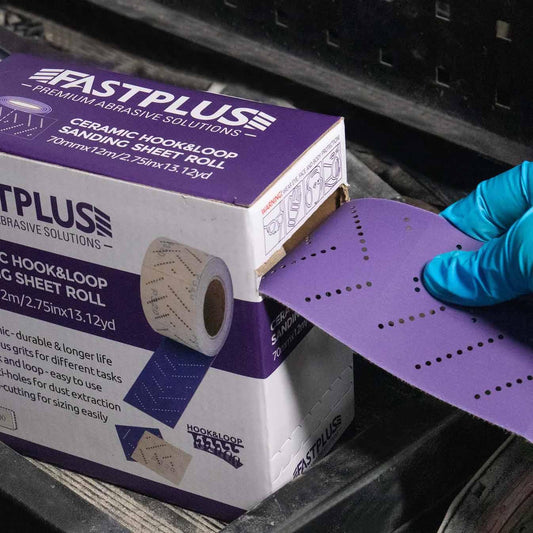
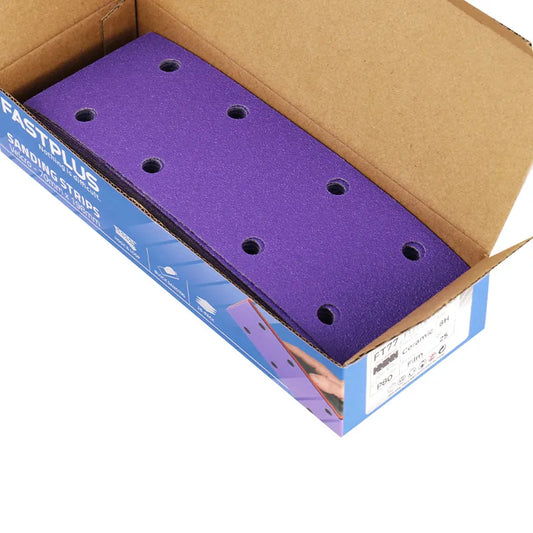
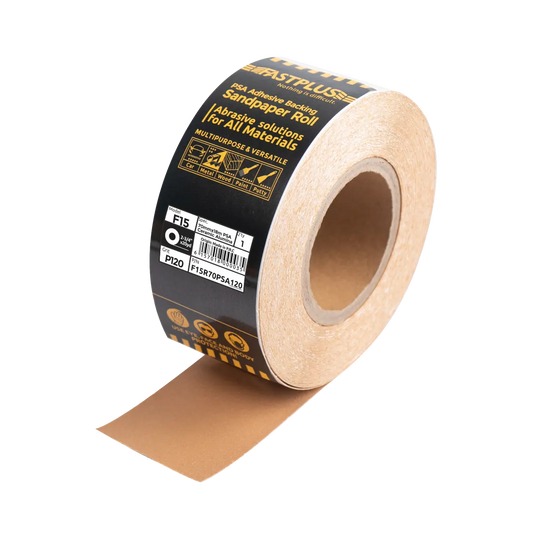
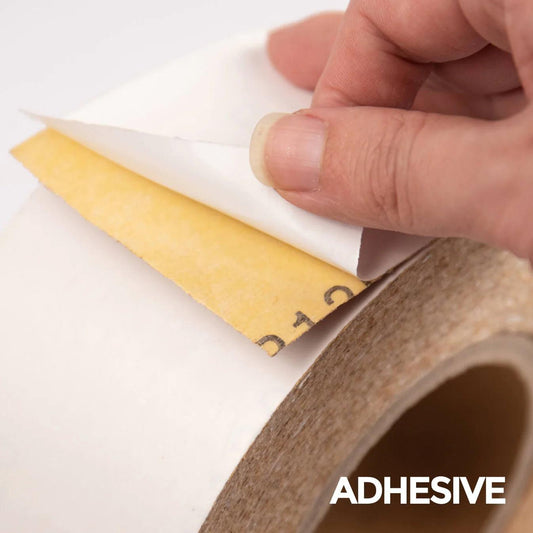
Sanding rolls and strips are long, flexible sheets of sandpaper that can be cut to any length or width, making them ideal for narrow crevices, gaps, and hard-to-reach corners. They’re available in a variety of materials—aluminum oxide, silicon carbide, and zirconia alumina—and grits, so you can choose the right abrasive for your material.
Sanding strips are particularly useful for areas like cabinet corners, door frames, or the gaps between metal parts. You can wrap them around a small block of wood, a dowel, or even your finger to sand tight spots that a standard disc or pad can’t reach. Sanding rolls are great for large, curved surfaces (like a wooden staircase railing) or for cutting custom-sized strips for specific projects.
Tip: For extra flexibility, choose sanding rolls with a cloth backing (instead of paper), as they’re more durable and can bend without tearing. When sanding with a strip wrapped around your finger, wear a glove to protect your skin from abrasion.
• Sanding Sponges
Sanding sponges are flexible, foam-based tools that combine the abrasiveness of sandpaper with the conformability of foam. They’re available in various shapes—rectangular, triangular, and even wedge-shaped—and can be used wet or dry. The foam backing allows the sponge to compress and conform to curved or uneven surfaces, making them perfect for sanding around edges, in corners, or on irregular shapes.
Triangular sanding sponges are especially useful for hard-to-reach areas, as their pointed tip can fit into tight corners and crevices (like the joints of a wooden frame or the edges of a car’s dashboard). Wedge-shaped sponges are great for sanding along edges or in gaps between surfaces.
Tip: Use a wet sanding sponge for smoother finishes on paint or plastic, as the water helps reduce dust and prevents the sandpaper from clogging. For dry sanding, choose a sponge with a coarse grit for rough sanding and a fine grit for finishing.
• Abrasive Brushes & Wheels
Abrasive brushes and wheels are flexible tools designed for sanding and polishing intricate details, small crevices, and hard-to-reach areas that other tools can’t access. Abrasive brushes have flexible bristles coated with abrasive material (like aluminum oxide), while abrasive wheels are small, flexible discs that can be attached to a die grinder or rotary tool.
These tools are perfect for sanding the inside of holes, the threads of bolts, or the intricate details of a metal ornament. They’re also great for removing rust or paint from tight spots (like the corners of a metal frame) without damaging the surrounding surface.
Tip: Use a low-speed rotary tool with abrasive wheels to avoid overheating the workpiece. For delicate surfaces (like plastic or wood), choose a soft-bristled abrasive brush to prevent scratches.
• Flexible Polishing Pads
For achieving a high-gloss finish in hard-to-reach areas, flexible polishing pads are a must. These pads are made with a soft, flexible foam or wool backing that conforms to curved surfaces, allowing you to polish even the trickiest spots (like the curves of a car’s headlight or the edges of a wooden table) to a mirror-like shine.
Flexible polishing pads are available in various densities and materials—foam pads are great for fine finishing, while wool pads are ideal for removing swirl marks and scratches. They can be used with polishing compounds to achieve a smooth, glossy finish on paint, metal, plastic, and wood.
Tip: Use a small, handheld polisher with a flexible pad for maximum control. Apply a small amount of polishing compound to the pad before use, and work in small, circular motions to avoid uneven polishing.
How to Use Flexible Abrasive Tools Effectively: Step-by-Step Guide

Proper technique for using flexible abrasive tools to achieve a smooth finish
• Step 1: Choose the Right Tool and Grit
The first step is to select the right flexible abrasive tool for your project. Consider the surface you’re working on (wood, metal, paint, etc.), the type of area (corner, curve, crevice), and the desired finish (rough sanding, fine finishing, polishing). Then choose the appropriate grit.
- ✓ Coarse grit (40–80): For removing heavy material, rust, or paint from rough surfaces.
- ✓ Medium grit (100–180): For smoothing rough surfaces and preparing for fine finishing.
- ✓ Fine grit (220–400): For fine sanding and preparing surfaces for polishing.
- ✓ Extra-fine grit (600+): For final finishing and achieving a smooth, glossy surface.
• Step 2: Prepare the Workpiece
Before you start sanding or polishing, prepare the workpiece by cleaning it thoroughly. Remove any dust, dirt, grease, or debris from the surface—this will prevent the abrasive tool from clogging and ensure a smooth finish.
• Step 3: Test on a Hidden Area
Always test the tool and grit on an inconspicuous spot first to avoid accidental damage to visible surfaces.
• Step 4: Sand & Polish in the Right Direction
For wood, sand with the grain. For metal, plastic, or painted surfaces, use light circular motions. For tight crevices, use small back-and-forth movements.
• Step 5: Maintain Light, Consistent Pressure
Avoid pressing too hard. Let the abrasive do the work—excess pressure causes scratches and uneven removal.
• Step 6: Clean Your Tools Regularly
Clogged abrasives leave streaks and stop cutting effectively. Clean pads, discs, and sponges frequently.
• Step 7: Finish with a Fine Grit Pass
Always end with a higher grit to eliminate scratches and create a smooth, professional finish.
Common Mistakes to Avoid
- ✓ Using the wrong grit (too coarse leaves deep scratches, too fine is ineffective).
- ✓ Applying too much pressure and damaging the surface.
- ✓ Using rigid tools on curved or irregular surfaces.
- ✓ Skipping the test area and causing visible damage.
Real-World Applications
Automotive Detailing
Flexible discs and polishing pads handle curved headlights, bumpers, and tight wheel wells easily, delivering a show-car finish.
Woodworking
Sanding sponges, rolls, and flexible discs perfect curved furniture legs, bowls, and intricate joinery.
Metal Fabrication
Abrasive brushes and wheels reach threads, holes, and detailed metal parts without damaging surrounding areas.
Marine Maintenance
Flexible abrasives handle hull seams, deck curves, and tight compartments on boats and watercraft.
Final Thoughts
Achieving a flawless finish in hard-to-reach areas doesn’t have to be a challenge. With the right flexible abrasive tools, you can sand and polish even the trickiest spots with ease, resulting in professional-grade results every time. Whether you’re a professional or a DIYer, investing in high-quality flexible abrasive tools will save you time, effort, and frustration, and help you take your projects to the next level.
Ready to tackle your next project? Explore Fastplus’s full line of premium flexible abrasive tools today.
Explore Fastplus Tools