

How to Stop Sandpaper from Clogging Up: Pro Tips for Longer-Lasting Abrasives
Every European DIY enthusiast, professional woodworker, auto refinisher, and drywall contractor faces one recurring, annoying issue on job sites: sandpaper clogging up mid-work. Whether you are using Festool or Mirka orbital sanders for automotive refinishing, handheld tools for furniture sanding, or large floor sanders for drywall renovation, clogged sanding discs and strips always kill your workflow, ruin smooth finishes, and waste your budget on frequent abrasive replacements. Also known as sandpaper loading, this common problem haunts almost all sanding projects across wood, paint, plaster, and metal surfaces. In this 1500-word professional guide tailored for European workshop users, we break down why sandpaper clogs and share actionable, field-tested tips to prevent loading and maximize the service life of your FastPlus premium sanding abrasives.
Sandpaper clogging (loading) happens when fine dust, wood sap, resin, paint residue, or drywall compound compacts and gets trapped between abrasive grit gaps. Once the grit gaps are fully blocked, sandpaper loses its cutting ability — it only rubs the workpiece surface instead of removing material evenly, causing heat buildup, swirl marks, uneven paint layers, and defective wood finishes. For professional European workshops and DIY users, premature sandpaper loading is one of the biggest causes of low working efficiency and unnecessary consumable costs. With scientific material matching, standard sanding techniques, and effective dust extraction solutions, you can completely avoid frequent clogging and get the most value out of FastPlus sanding discs, mesh abrasives, and sanding strips.
Why Does Sandpaper Clog in the First Place?
Before diving into solutions, it is critical to understand the root causes of sandpaper loading, as different materials trigger different clogging issues. The most common culprit is working with sticky, soft, or resin-rich materials. Softwoods like pine, cedar, and spruce contain natural sap and resin that melt slightly under sanding friction, sticking to sandpaper grits and hardening quickly. Similarly, painted surfaces, clear coats, and wet drywall compound create tacky dust that embeds itself in abrasive gaps instead of falling away naturally.
Improper sanding technique is another major cause. Many beginners apply excessive pressure while sanding, which crushes dust particles deeper into the grit structure and generates excess heat that melts resin and paint residue. Using the wrong sandpaper type or grit for your material also accelerates clogging. Fine-grit closed-coat sandpaper, in particular, clogs rapidly on soft wood and painted surfaces because its dense grain layout leaves minimal space for dust evacuation.
Poor dust extraction is the final key factor. Without proper vacuum or dust collection support, fine debris lingers on the sandpaper surface during operation, building up layer by layer until the entire disc or sheet is fully loaded. Understanding these causes allows you to target your prevention strategies precisely for every project type.
1Select Anti-Clog Sandpaper Matching Different Workpiece Materials
The easiest way to stop sandpaper clogging is to start with the right abrasive for your workpiece. Not all sandpaper is created equal, and FastPlus designs its premium sanding discs, strips, and mesh abrasives specifically to resist loading across different applications.

First, opt for open-coat sandpaper over closed-coat variants for softwood, paint, and drywall projects. Closed-coat sandpaper features tightly packed grits for ultra-smooth metal and hardwood finishing but clogs instantly on sticky materials. Open-coat sandpaper leaves 30% to 40% open space between grains, allowing dust and resin to shed freely instead of building up. For automotive refinishing, drywall sanding, and general woodworking, open-coat abrasives are the industry standard for anti-clog performance.
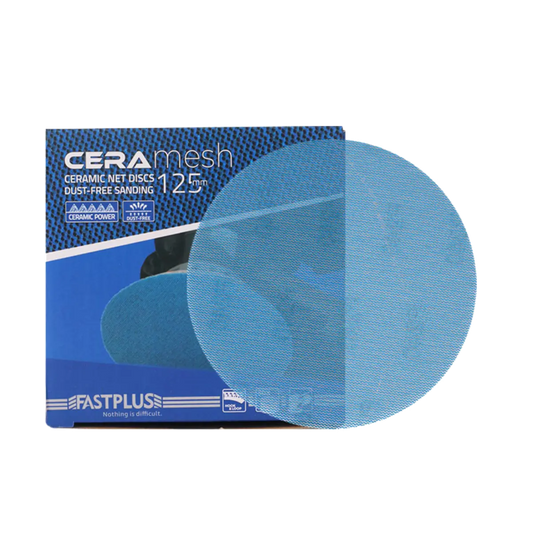
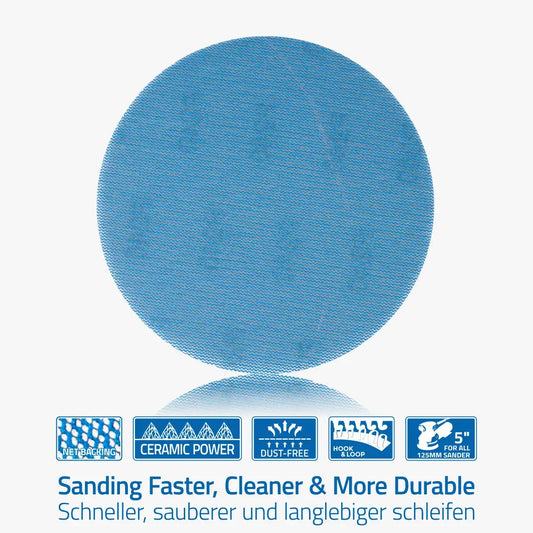
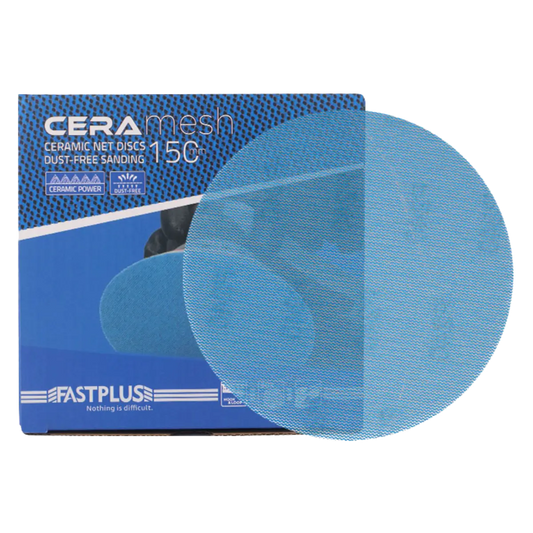
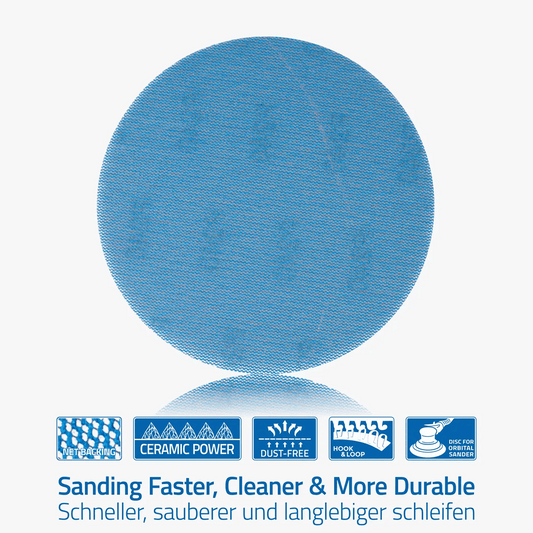
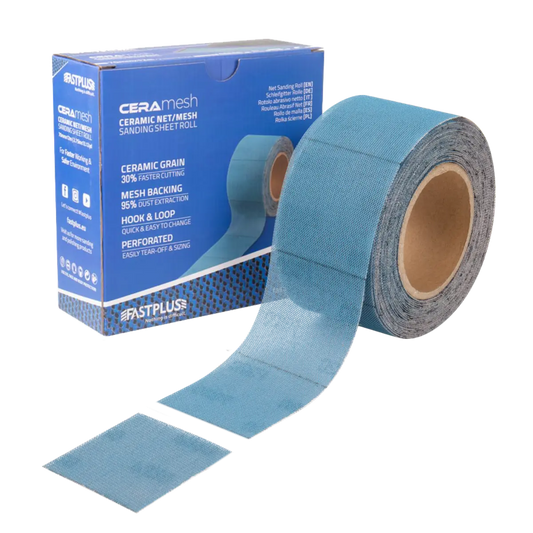
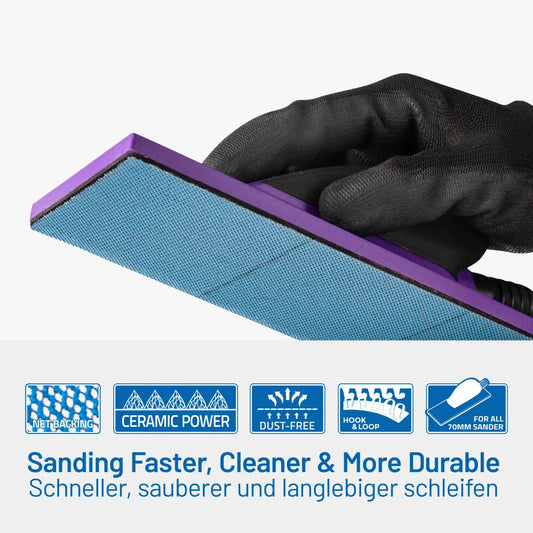
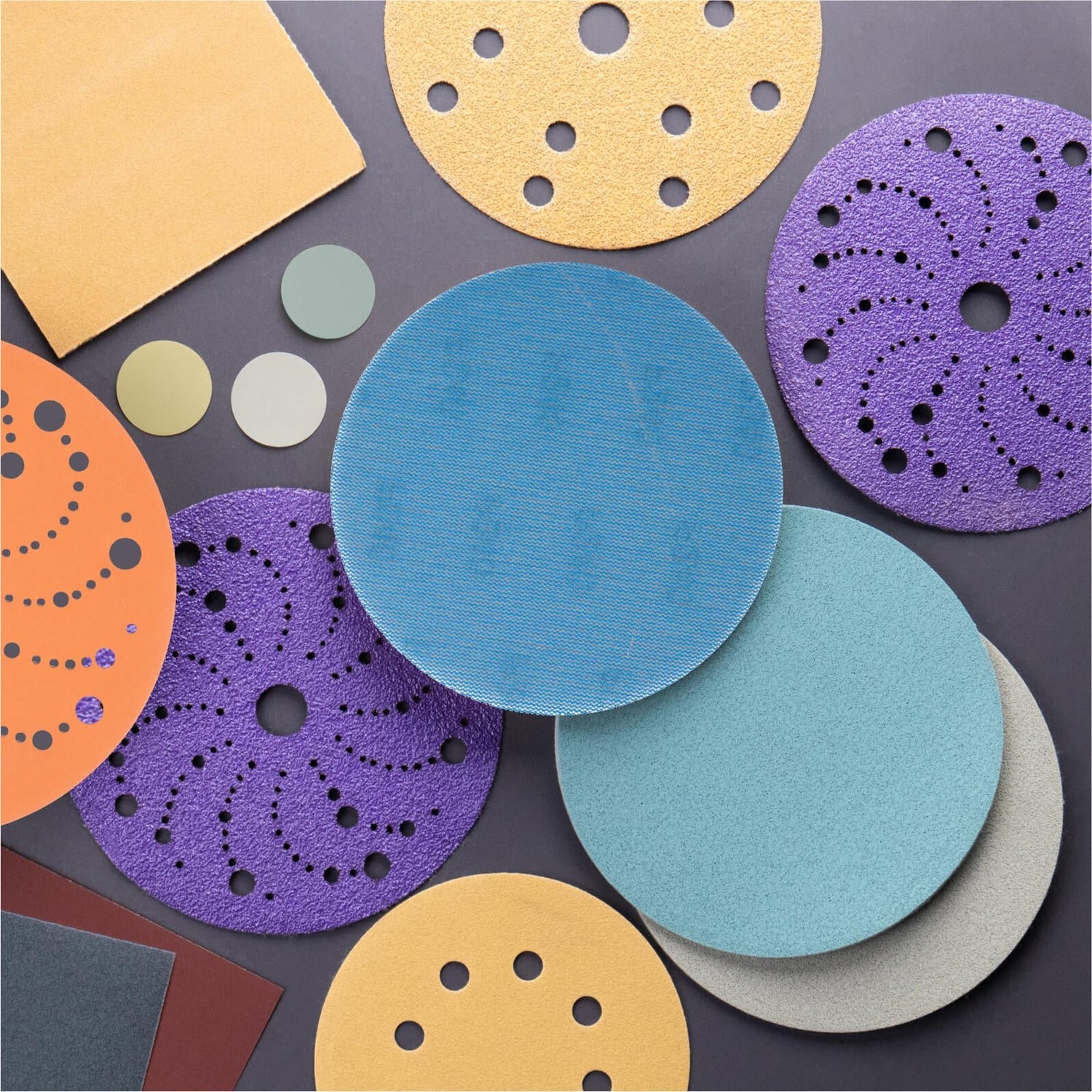
For maximum resistance, upgrade to mesh sanding discs like FastPlus CeraMesh ceramic mesh abrasives. Unlike traditional paper-backed sandpaper, the fully open mesh structure eliminates clogging entirely by allowing 100% dust and debris penetration. This design works perfectly with vacuum sanding systems, delivering zero buildup even when sanding resinous pine, sticky clear coats, and damp drywall compound. Professional auto body shops and woodworkers consistently report that mesh sanding discs last 3 to 5 times longer than standard sandpaper with zero loading issues.
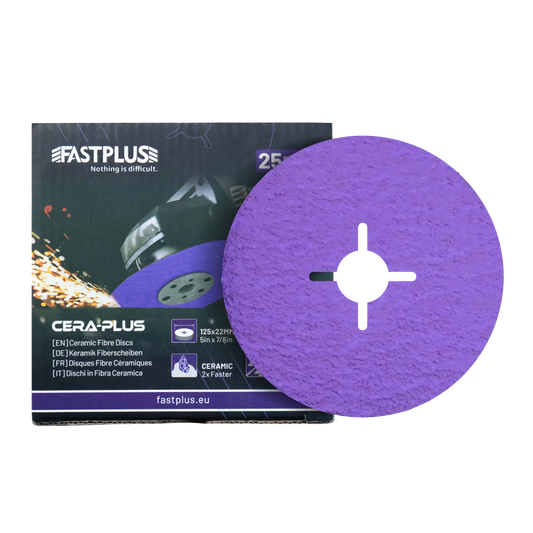
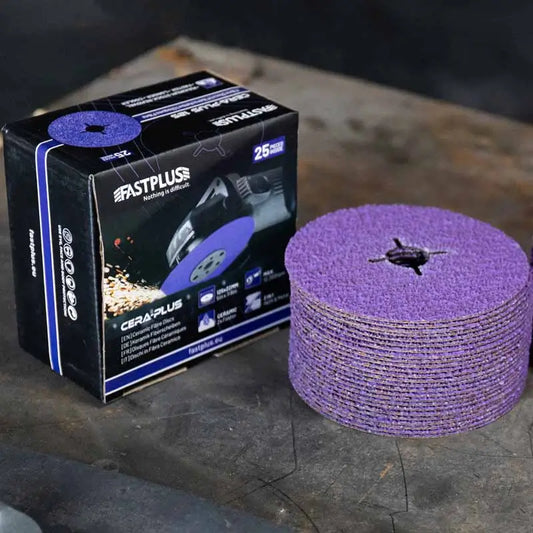
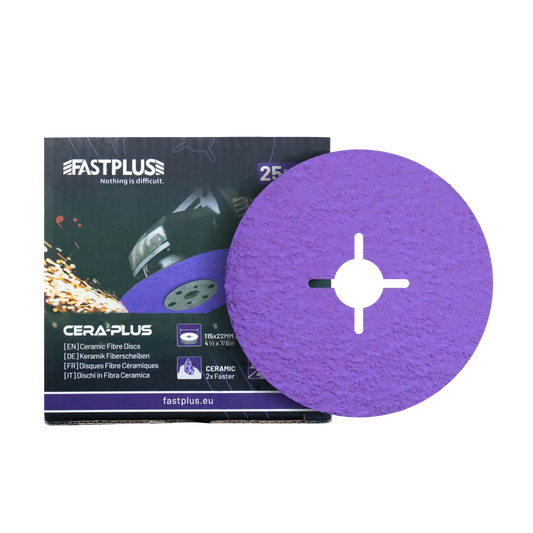
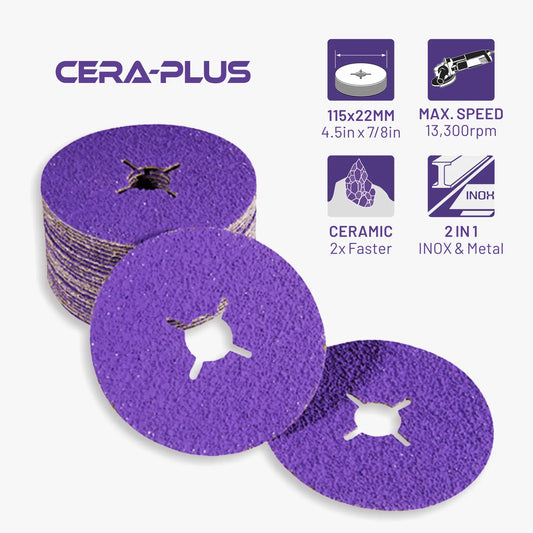
Ceramic abrasive grains also outperform standard aluminum oxide for anti-clog durability. FastPlus blue ceramic sanding discs feature heat-resistant, self-sharpening grains that resist material buildup, even during high-friction continuous sanding. For metal sanding and heavy material removal, ceramic abrasives avoid the loading and overheating common with cheaper aluminum oxide alternatives.
2Master Proper Sanding Techniques to Avoid Loading
Even the best anti-clog sandpaper will clog quickly with poor sanding habits. Adjusting your technique is a free, immediate fix to extend abrasive life and improve finish quality.
The number one rule: use light, consistent pressure. Most users press too hard to speed up material removal, but heavy pressure crushes dust into grit gaps and generates excess heat that melts sticky residues into permanent clogs. Let the sharp abrasive grains do the work. Light, overlapping passes deliver faster, cleaner results with zero loading and fewer surface imperfections.
Avoid over-sanding a single spot. Continuous sanding on one concentrated area builds extreme heat, which liquefies wood resin, paint, and clear coat. These molten materials cool and harden on the sandpaper surface, creating stubborn, permanent clogs. Instead, move your sander steadily across the workpiece in linear or orbital motions to distribute friction evenly.
Additionally, follow a proper grit progression. Jumping from coarse to ultra-fine grits skips critical finishing steps and forces fine-grit sandpaper to remove heavy residual material, leading to rapid clogging. Gradual grit sequencing preserves your sandpaper and delivers a smoother, cleaner finish every time.
3Use Dust Extraction & Anti-Clog Tools
Dust accumulation is the core cause of persistent sandpaper clogging, which makes reliable dust extraction an essential standard configuration for all professional sanding work. All FastPlus sanding products are designed to fit mainstream European sanding equipment, perfectly compatible with Festool, Mirka, and all standard vacuum sander systems and universal backing pads. The optimized multi-hole and full-mesh structures focus on high-efficiency dust discharge, solving the loading problem fundamentally for long-term construction.
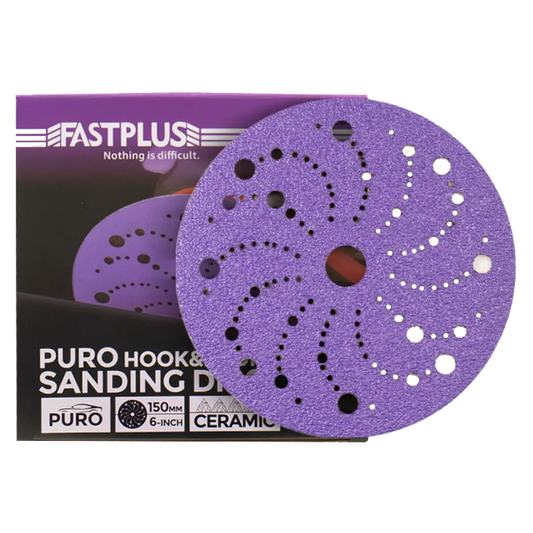
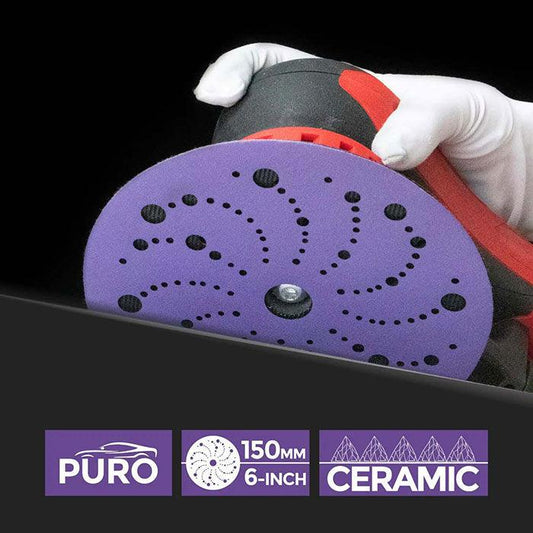
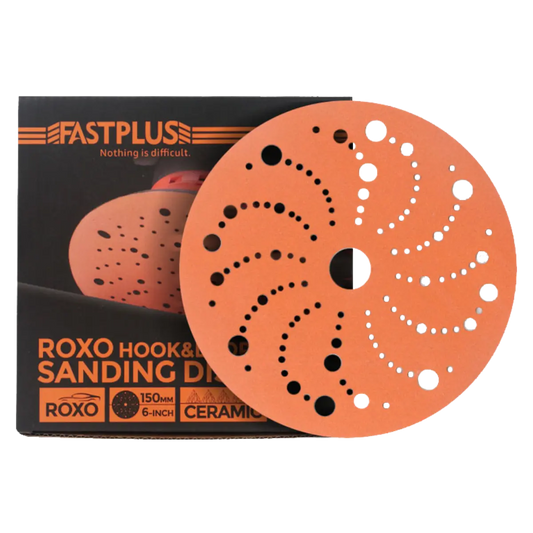
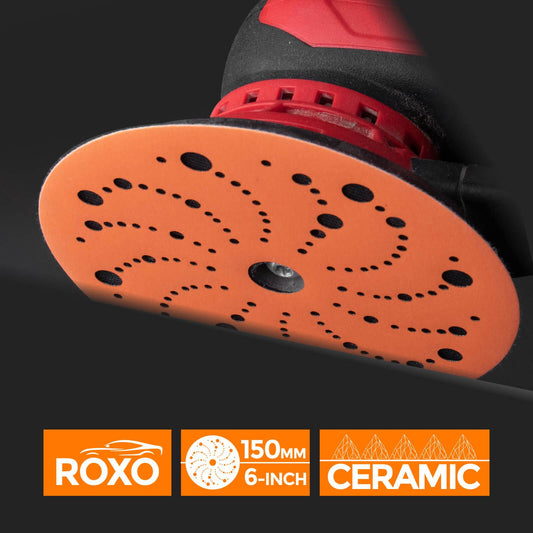
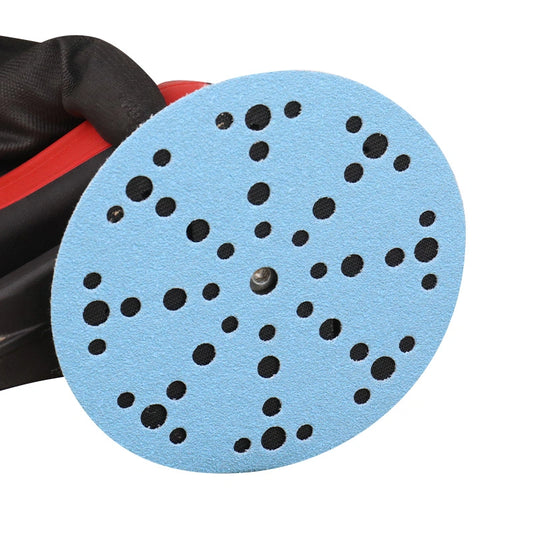
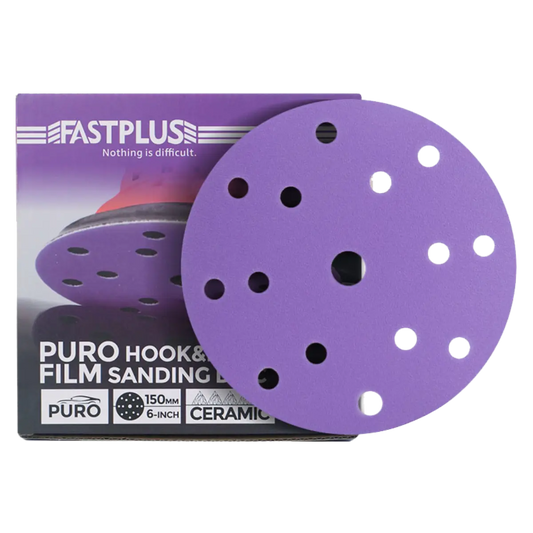
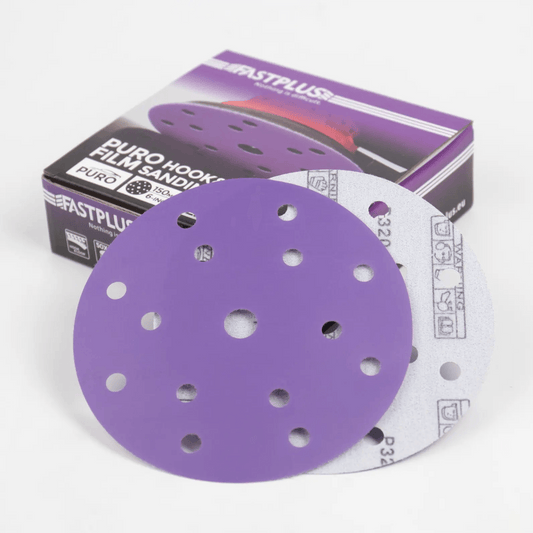
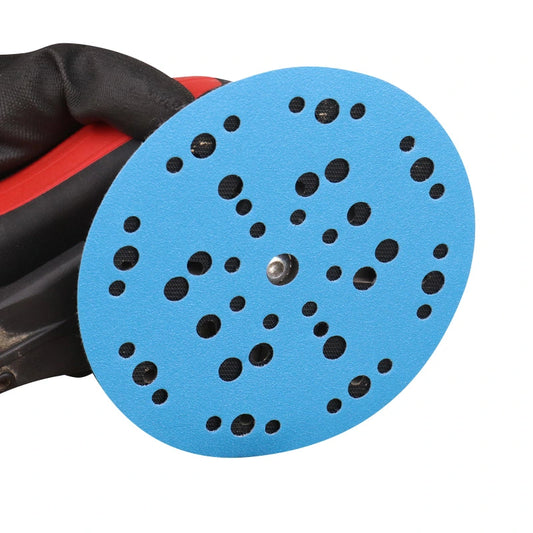
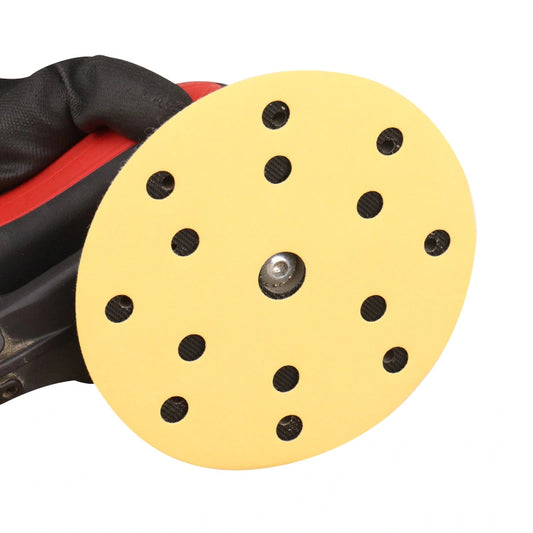
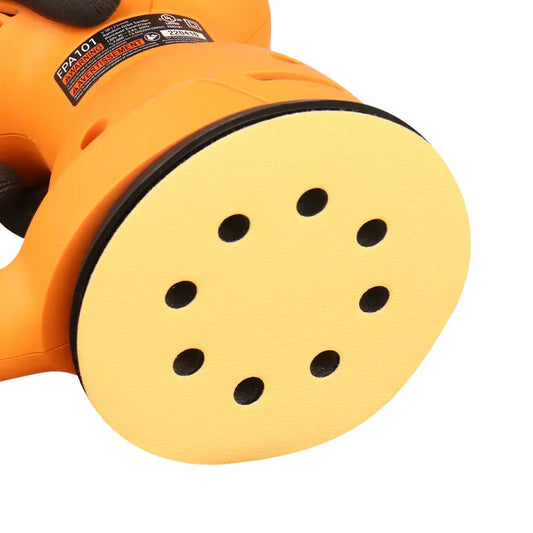
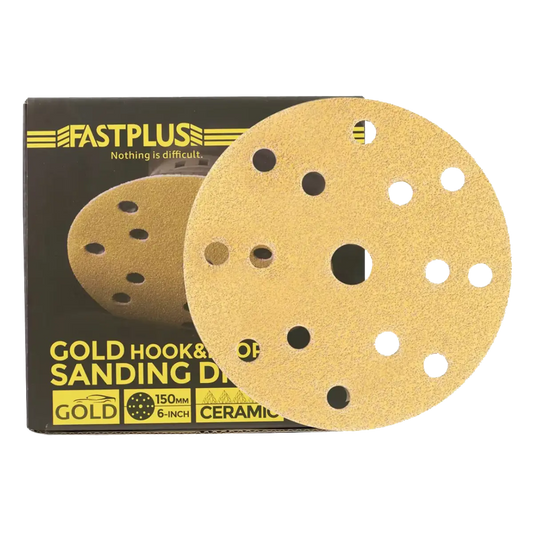
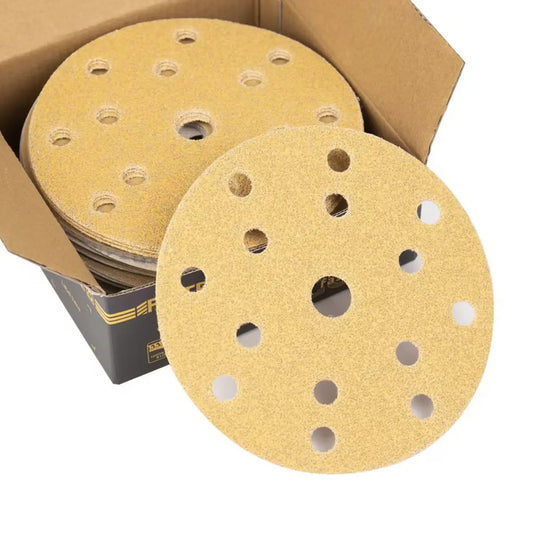
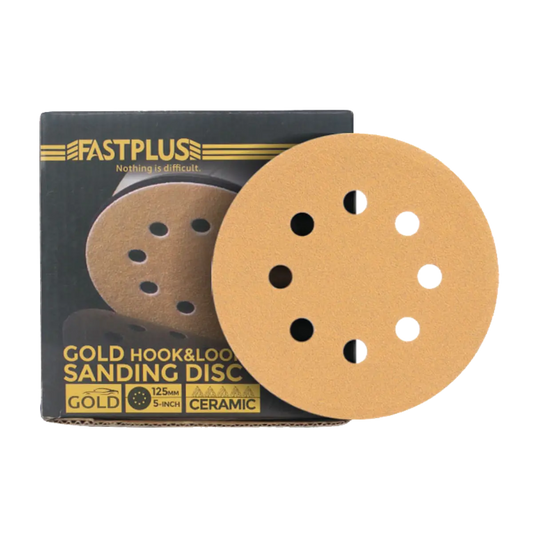
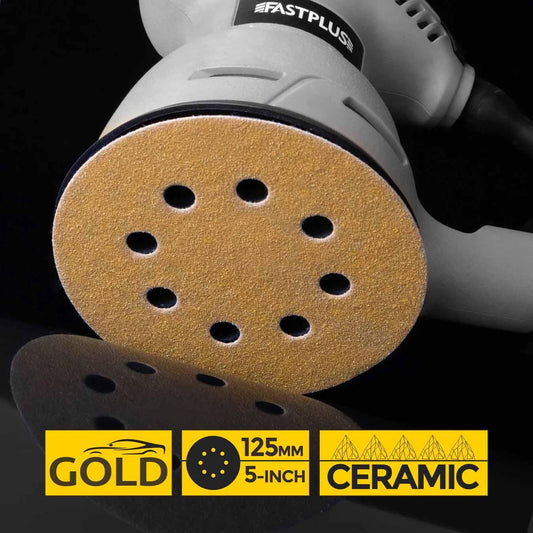
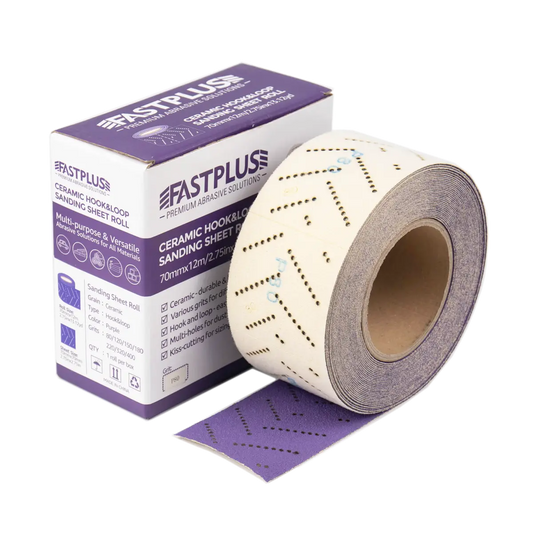
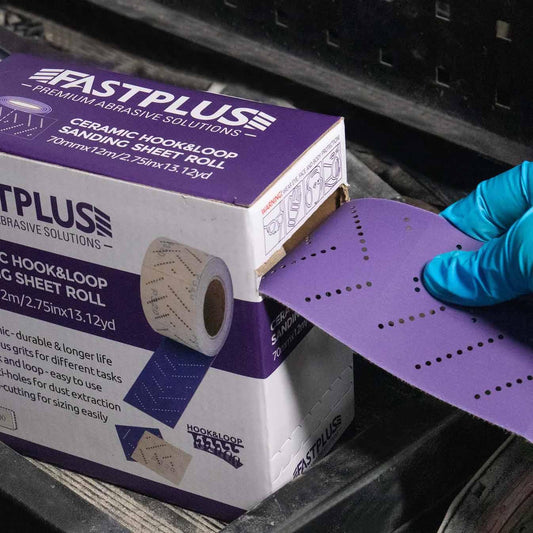
For power sanding, always connect your tool to a vacuum dust collection system. The 47-hole, 49-hole, and 15-hole patterns on FastPlus automotive sanding discs pull dust through the disc instantly, preventing surface buildup. For drywall and floor sanding, 225mm multi-hole ceramic discs deliver full-surface suction to eliminate drywall compound loading during large-area projects.
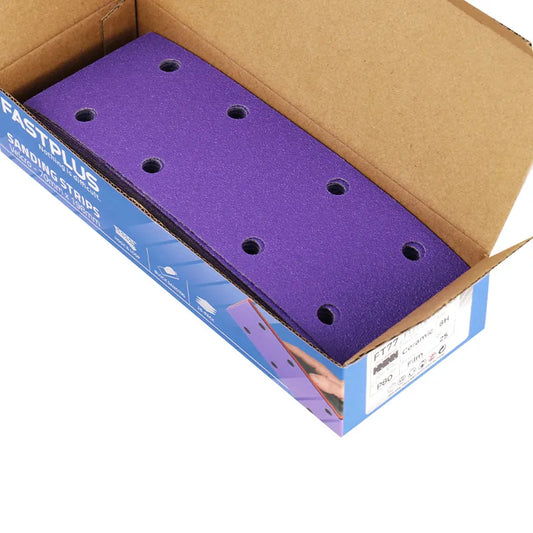
For hand sanding projects, use FastPlus vacuum-compatible hand sanding blocks. These blocks pull dust away from the sanding surface continuously, eliminating the static dust buildup that causes manual sandpaper clogging. For quick on-site cleaning, keep compressed air or a stiff nylon brush handy to blow or brush away loose debris between passes before it hardens into clogs.
4Instant Fixes: How to Clean Clogged Sandpaper On-Site
Even with perfect prevention, minor buildup will occur during long projects. Instead of replacing your sandpaper immediately, use these fast cleaning methods to restore full cutting performance in seconds.
A sandpaper cleaning stick is the most convenient tool for on-the-job restoration. Simply rub the rubber cleaning stick across the clogged disc or strip to lift embedded resin, paint, and dust without damaging abrasive grains. This method works flawlessly for automotive sanding discs and woodworking sanding strips, restoring up to 90% of original cutting power.
For dry dust buildup, use a stiff nylon brush to brush debris perpendicular to the grit direction with light, steady strokes. This dislodges loose particles without wearing down the abrasive surface. For waterproof wet-and-dry sandpaper, rinse the disc under cool running water to wash away slurry and sticky residue. Add a drop of mild soap for stubborn paint or resin clogs, then air-dry completely before reuse.
5Material-Specific Anti-Clog Strategies
Different materials require tailored tactics to stop clogging, here are professional tips for common projects:
- Woodworking (Softwood & Resinous Timber): Use open-coat or mesh sandpaper exclusively. For extra protection, lightly apply sanding wax or anti-clog lubricant to the abrasive surface before sanding pine or cedar. This creates a barrier that prevents resin from sticking to grits.
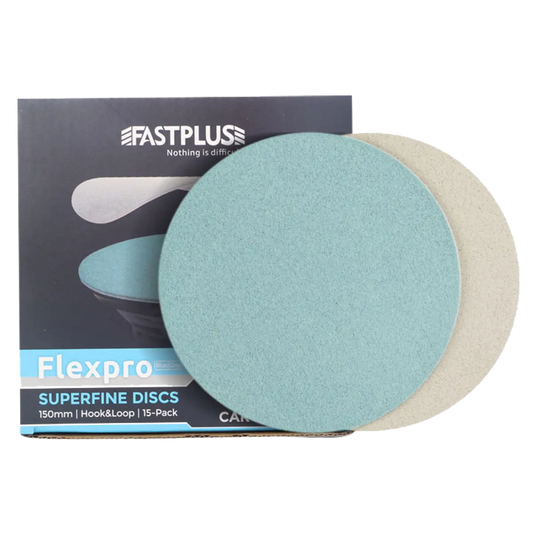
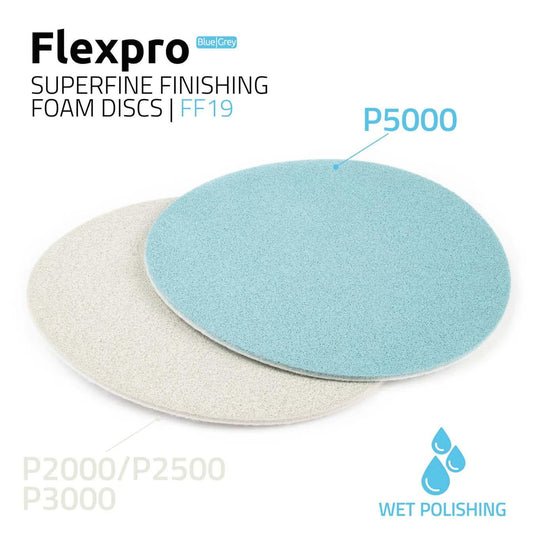
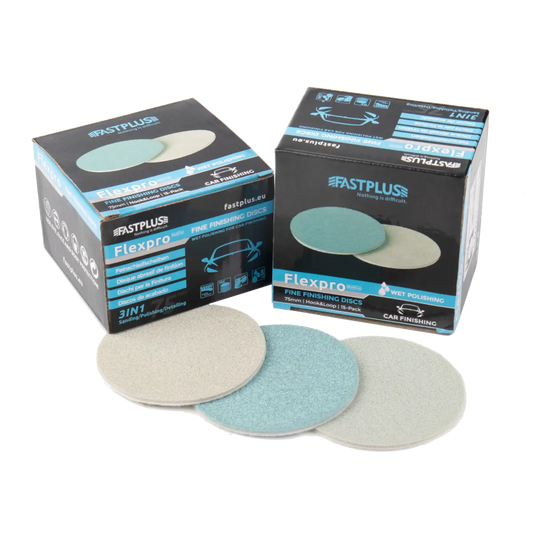
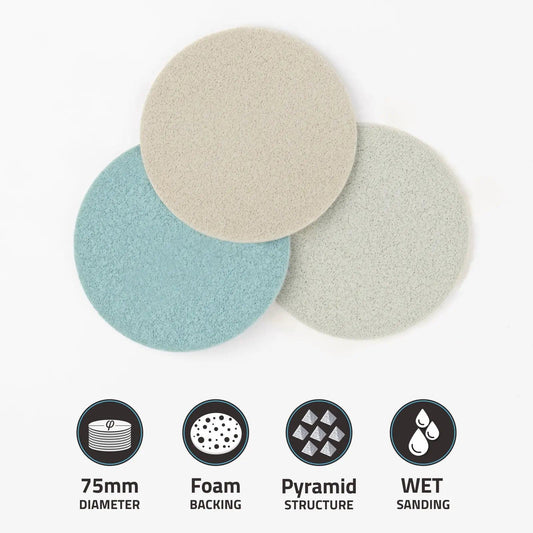
- Automotive Refinishing & Paint: Use FastPlus Flexpro fine finishing foam discs and ceramic mesh discs for clear coat sanding. Avoid heavy pressure to prevent melted paint buildup, and clean discs frequently with compressed air during multi-stage finishing.
- Drywall & Plaster: 225mm multi-hole vacuum-enabled sanding discs are ideal for drywall, as their high dust extraction capacity stops fine plaster dust from compacting in grit gaps.
- Metal Sanding: Ceramic abrasive discs resist heat and loading during metal removal. Clear metal swarf regularly with a brush to prevent particle buildup.
Final Thoughts
Stopping sandpaper clogging is not complicated, and it does not require frequent tool replacement or extra tedious work. The core logic of anti-clog sanding lies in matching professional anti-loading abrasives, standardizing sanding operations, and supporting complete dust extraction systems. FastPlus open-coat sandpaper, ceramic abrasive discs, and CeraMesh dust-free mesh discs are fully optimized for European workshop scenarios, perfectly adapting to local auto refinishing, woodworking, drywall renovation, and metal polishing projects. By following the above professional strategies, both professional contractors and DIY users can effectively reduce sandpaper wear, avoid finished defects, improve construction efficiency, and greatly save long-term consumable costs for all sanding tasks.