

How to Remove Scratches and Marks from Wooden Floors?
Wooden floors bring warmth, elegance, and character to any home. Over time, however, even the most carefully maintained floors can develop scratches, scuffs, and marks. Everyday activities such as moving furniture, dropping objects, or even pets running around can leave visible blemishes on your wood. While these scratches may seem discouraging at first, most of them can be effectively minimized or removed with the right approach, patience, and tools.
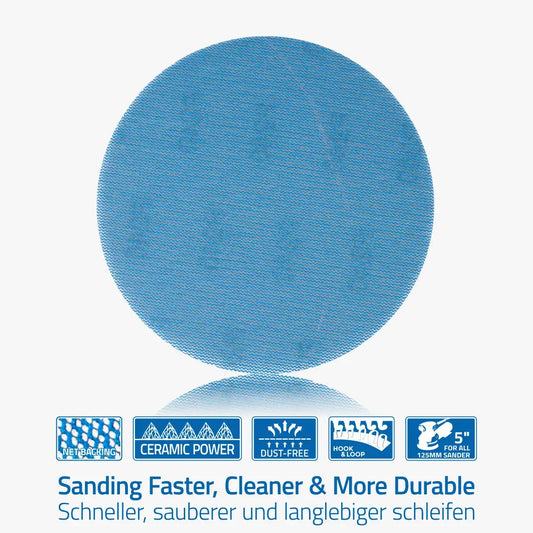
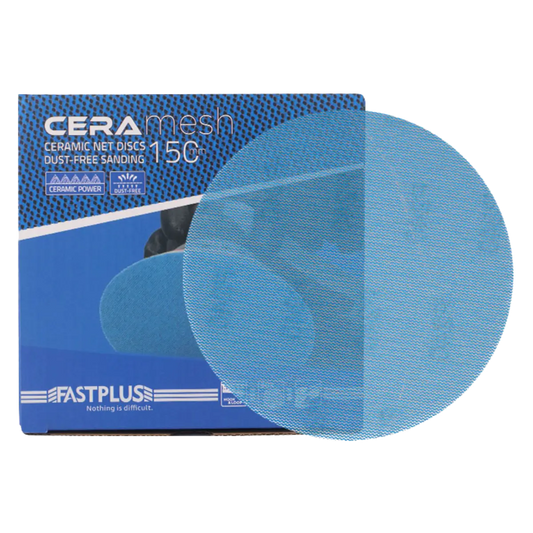
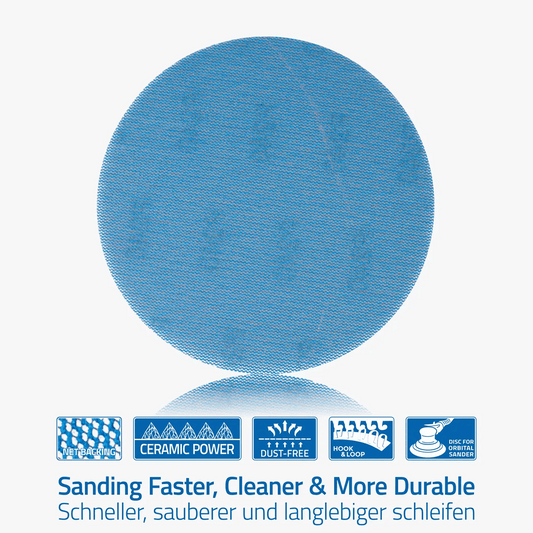
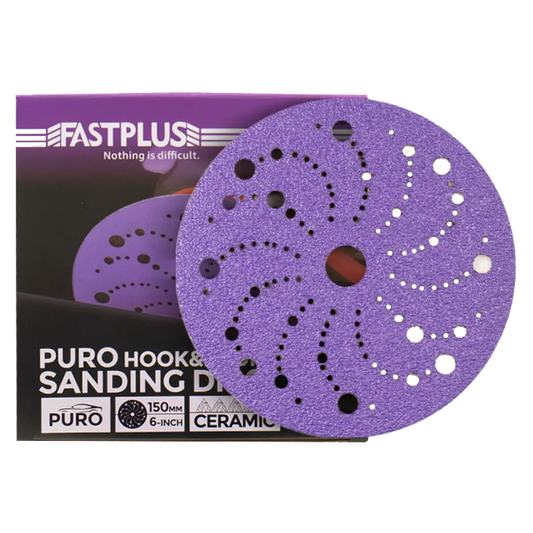
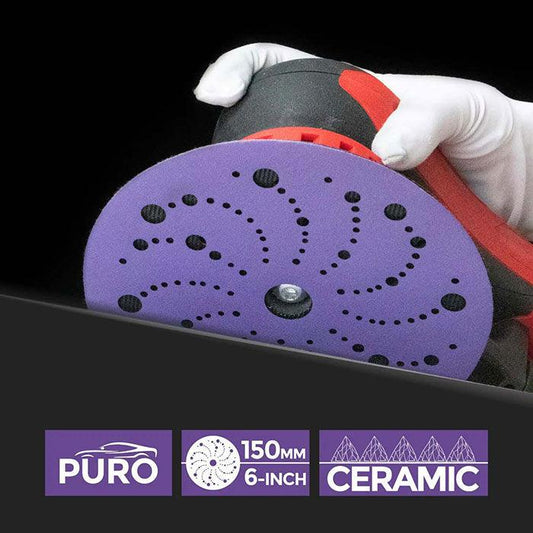
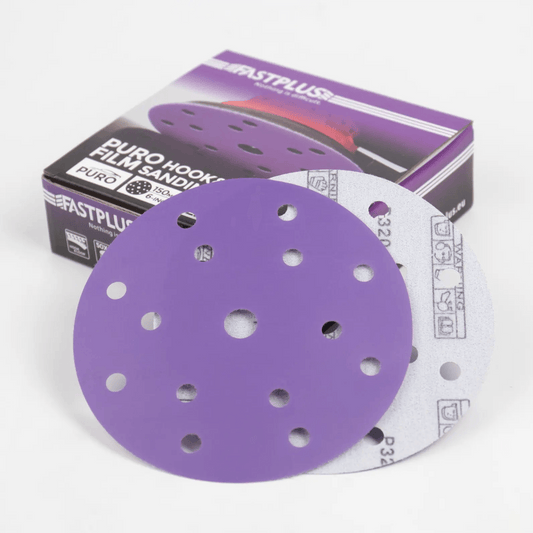
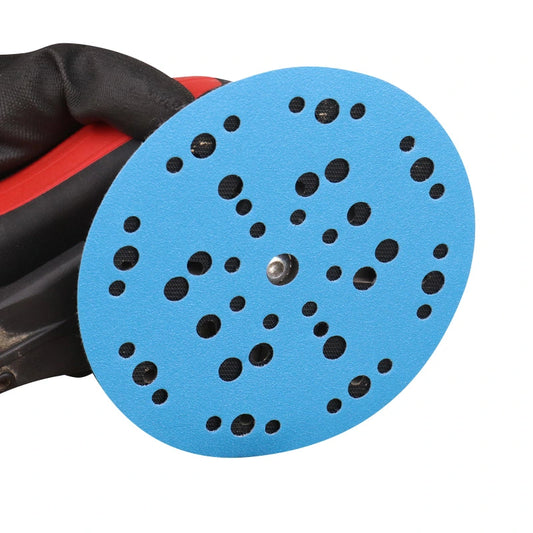
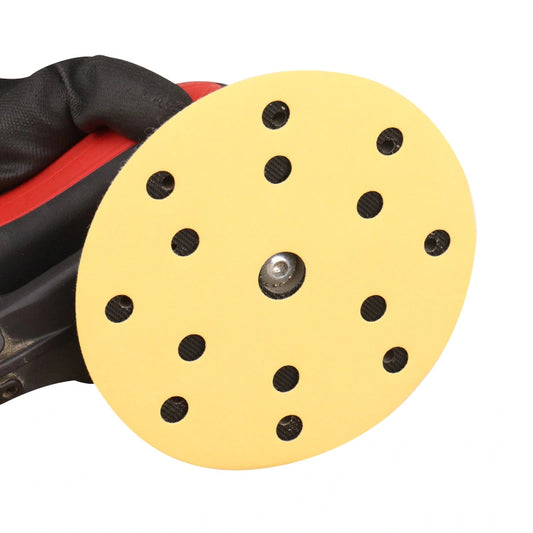
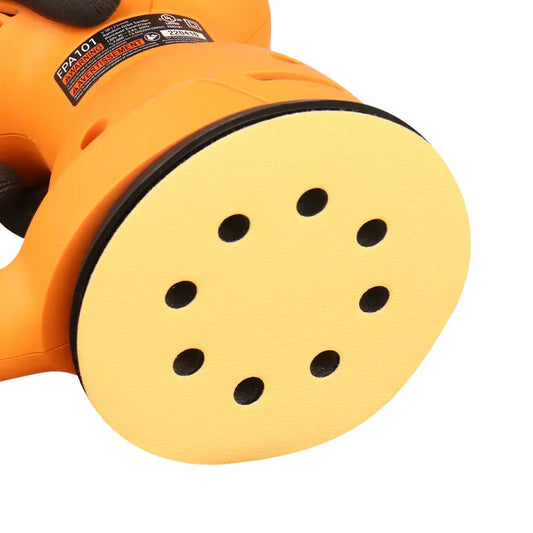
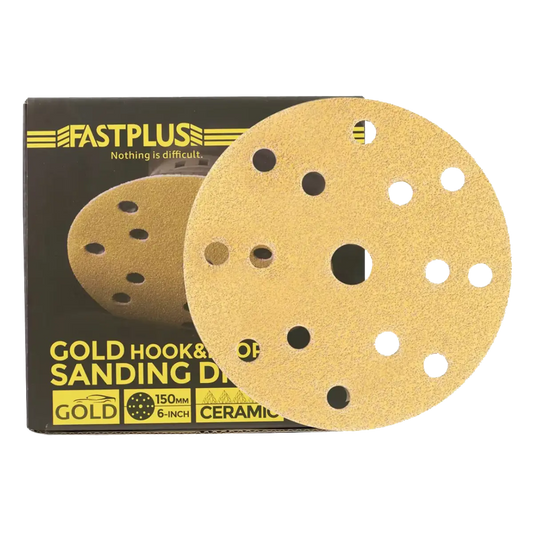
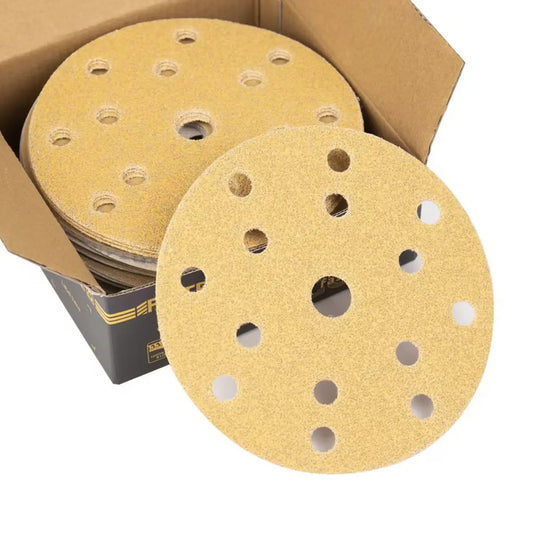
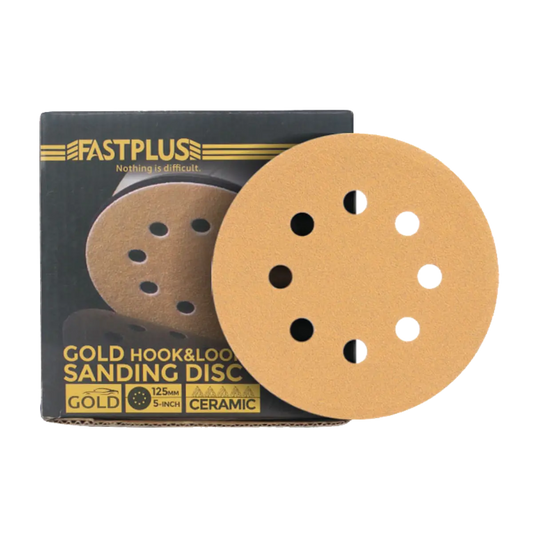
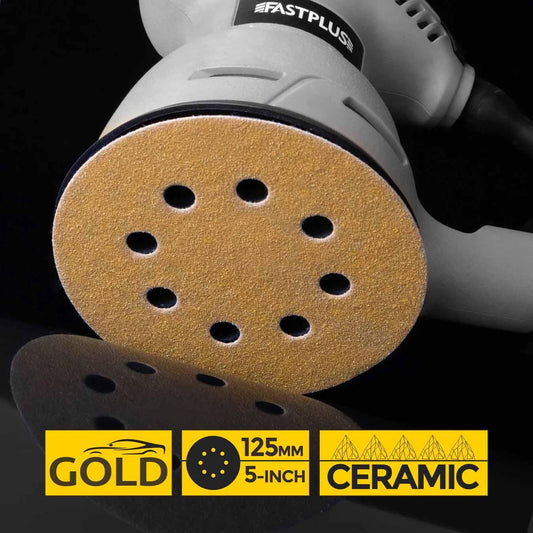
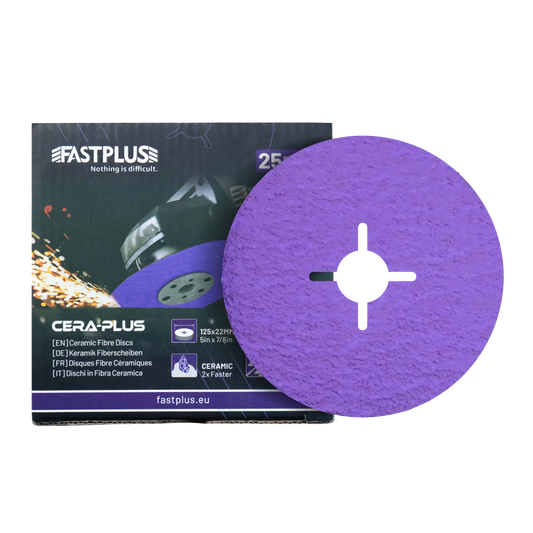
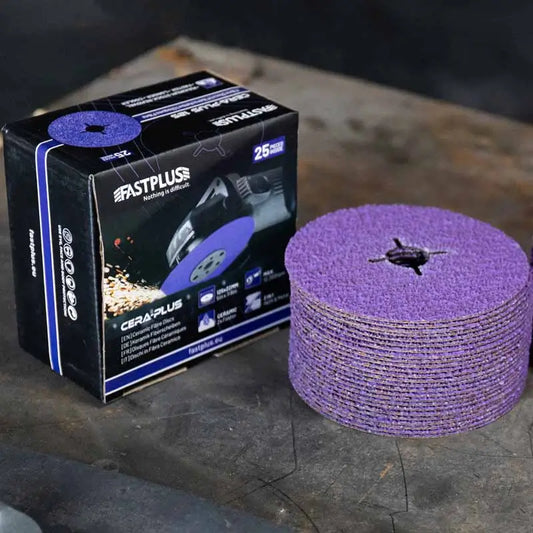
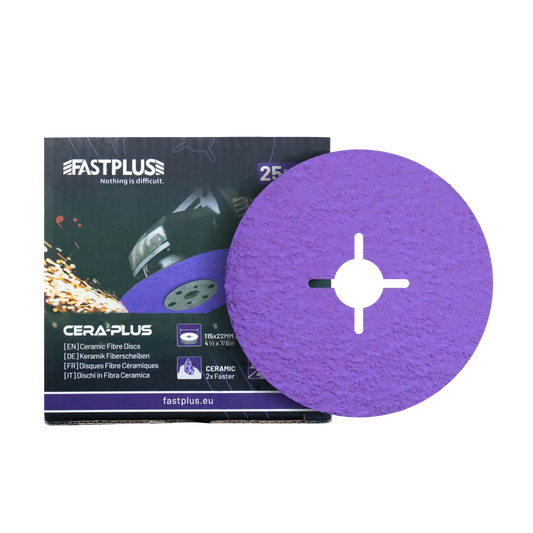
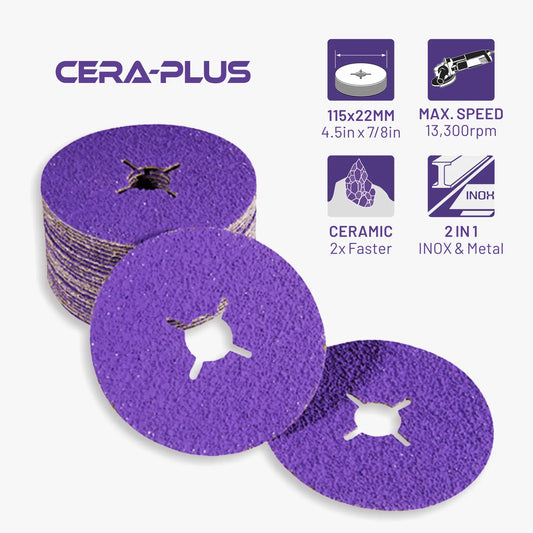
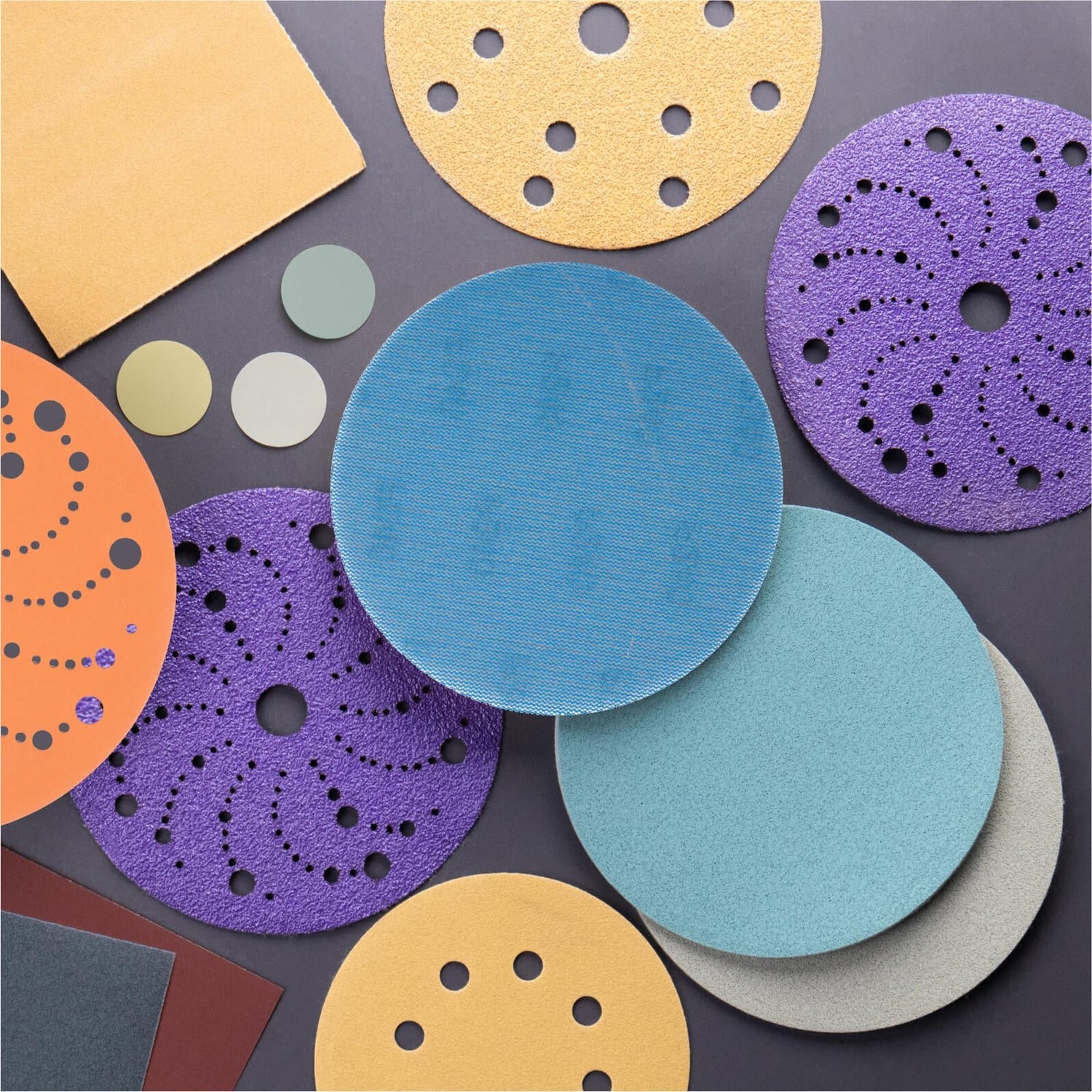
In this guide, we’ll explore detailed methods for removing scratches from wooden floors. We’ll also show how different sanding tools—including 9” sanding discs, 5” and 6” sanding discs, sandpaper sheets, sanding rolls, and sanding strips—can be naturally incorporated into the process to achieve professional results.
Understanding Different Types of Scratches

Before starting any repair, it’s important to identify the type of scratches you’re dealing with. Scratches generally fall into three categories:
- Surface scratches: Light marks that affect only the top layer of the finish. They are often caused by grit, dust, or minor abrasion. These scratches are usually easy to fix with gentle sanding and polishing.
- Moderate scratches: These penetrate the finish slightly and may reach into the wood itself. They often require more careful sanding to smooth the area.
- Deep scratches or gouges: Scratches that reach raw wood beneath the finish. These require filling and more thorough sanding before refinishing.
Identifying the type of scratch will guide you in selecting the appropriate sanding tool and repair method. Surface scratches may only need sandpaper sheets or a small 5” sanding disc, while deeper or larger scratches may benefit from 9” sanding discs or sanding rolls.
Preparing Your Wooden Floor
Proper preparation ensures the repair goes smoothly and prevents further damage. Here’s what you need to do:
- Clean the floor thoroughly: Sweep or vacuum to remove dust, dirt, and grit. For sticky or greasy marks, use a damp cloth with a mild wood cleaner. Avoid soaking the floor.
- Inspect the scratches: Walk through the room and determine which scratches are minor, moderate, or deep. This will help you decide whether a local repair is enough or if you need to sand larger sections.
- Protect the surrounding areas: Move furniture if possible, and use painter’s tape to shield baseboards and edges. Sanding strips are very useful at this stage to protect tight corners while still allowing you to reach scratches along edges.
By preparing carefully, you reduce the chance of accidental damage and make the sanding process more effective.
Removing Surface Scratches
Surface scratches are usually the easiest to repair. Here’s a simple method:
- Light sanding: Start with fine-grit sandpaper sheets or a small 5” sanding disc. Gently sand along the direction of the wood grain. Avoid sanding across the grain, as it may leave new marks.
- Buffing: After sanding, use a soft cloth or non-abrasive pad to buff the area. This blends the repair into the surrounding finish.
- Polish: Apply a suitable wood polish or wax to restore shine and protect the surface.
For scratches in tight spaces or along edges, sanding strips are particularly effective. They allow precise control without affecting adjacent areas.

Treating Moderate Scratches
Moderate scratches may require a more structured approach:
- Select the right sanding tool: For slightly larger areas, a 6” sanding disc or sandpaper roll can provide even sanding across multiple floorboards.
- Sand in stages: Start with medium-grit discs to remove the scratch, then progress to finer grit for a smooth finish.
- Clean between passes: Use a vacuum or tack cloth to remove sanding dust. Any leftover dust can interfere with finishing.
- Refinish if necessary: Apply a matching stain to blend the sanded area with the rest of the floor, then seal with a protective finish.
Sanding rolls are especially useful for scratches that follow the length of floorboards. They allow continuous sanding, reducing uneven spots and giving a more consistent finish.
Repairing Deep Scratches and Gouges
For scratches that reach the raw wood, additional steps are required:
- Fill the scratches: Use wood filler or putty matched to your floor’s color. Apply with a putty knife and smooth it evenly. Allow it to dry completely.
- Sand the filled area: Once the filler has dried, sand gently with sanding strips or a 9” sanding disc. Strips are perfect for narrow spots along boards or edges, while discs work well for larger areas.
- Stain and seal: Apply a matching stain and protective finish to blend the repair seamlessly with the surrounding floor.
Correct sanding at this stage ensures the repair is flush with the surrounding wood, avoiding noticeable dips or raised areas.
Full-Floor Restoration Techniques
If your wooden floor has scratches across the entire surface or looks worn overall, a full-floor sanding and refinishing process may be necessary:
- Start coarse: Use a 9” sanding disc with coarse grit to remove the old finish and level deep scratches.
- Progress gradually: Move from medium to fine grit sanding discs or rolls. This step ensures smoothness and prevents sanding marks.
- Detail sanding: Sandpaper sheets or small sanding strips work best for corners, edges, and places larger discs cannot reach.
- Clean thoroughly: Remove all dust to prevent imperfections in the finish.
- Apply finish: Stain if desired, then seal with a protective coat.
By sanding progressively from coarse to fine grit, your floor can regain a professional-level finish while removing even the most stubborn scratches.

Preventing Future Scratches
Maintenance is key to keeping wooden floors beautiful:
- Furniture pads: Place felt pads under chair and table legs.
- Rugs and runners: Use in high-traffic areas to reduce wear.
- Regular cleaning: Sweep and vacuum frequently; avoid abrasive cleaners.
- Pet care: Trim pet nails regularly to prevent claw scratches.
Small scratches from daily wear can often be corrected using a 5” or 6” sanding disc or a piece of sandpaper sheet without requiring major sanding.
Choosing the Right Sanding Tool
Selecting the appropriate sanding tool depends on the type of scratch, the size of the area, and your experience level:
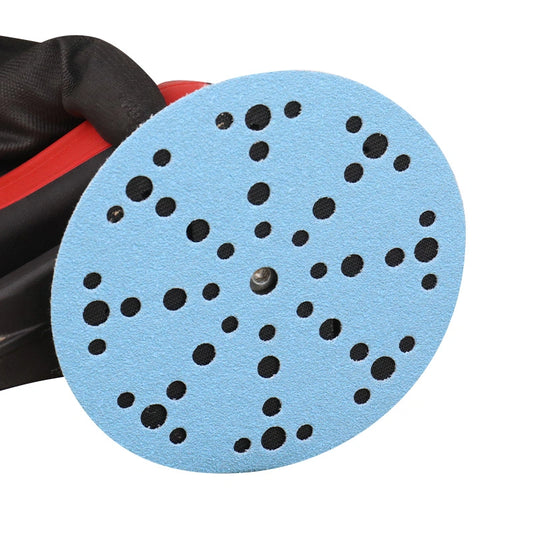
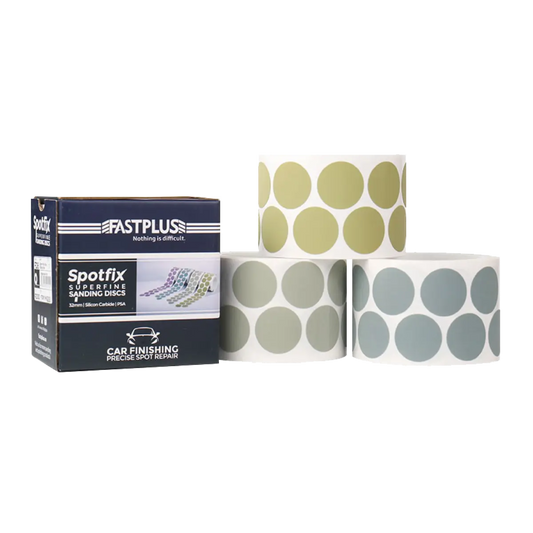
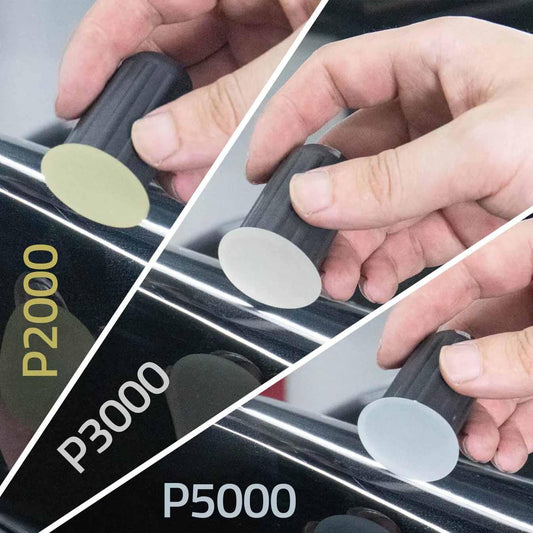
- Sanding discs: 5” and 6” discs are ideal for small areas or targeted scratches, while 9” discs can handle larger floor surfaces efficiently.
- Sandpaper sheets: Perfect for hand sanding corners, edges, or places a machine cannot reach.
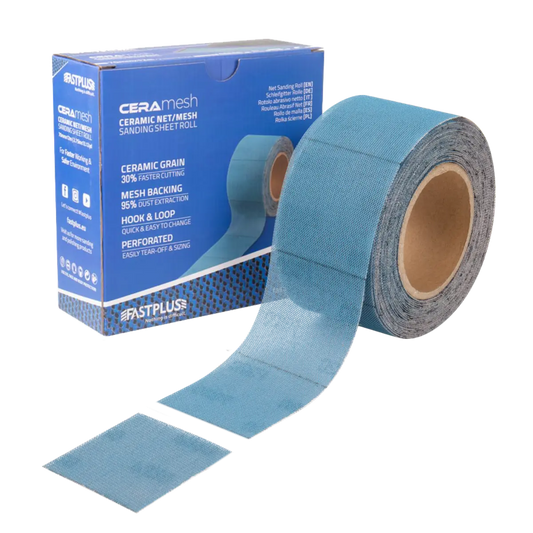
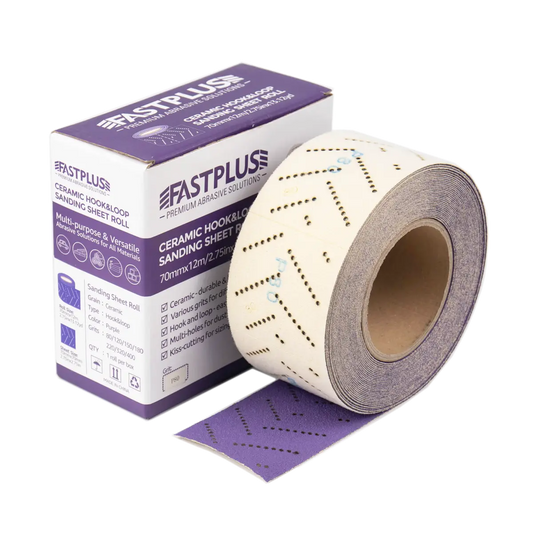
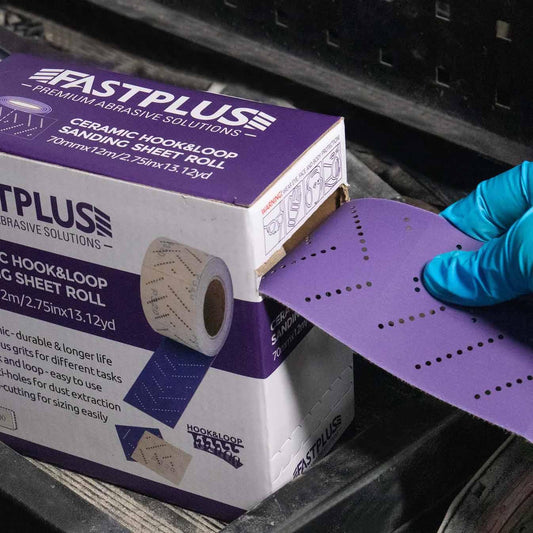
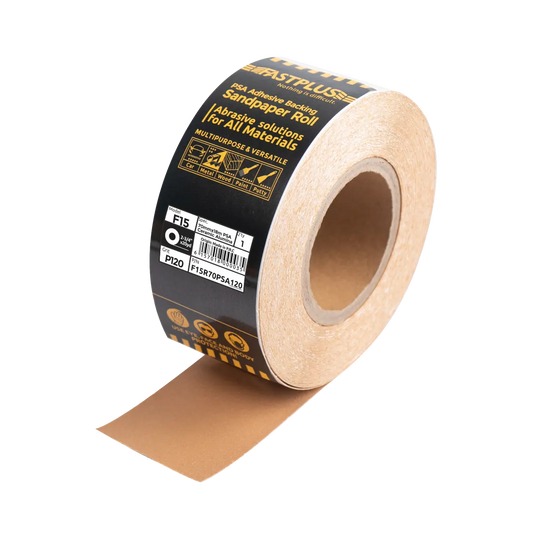
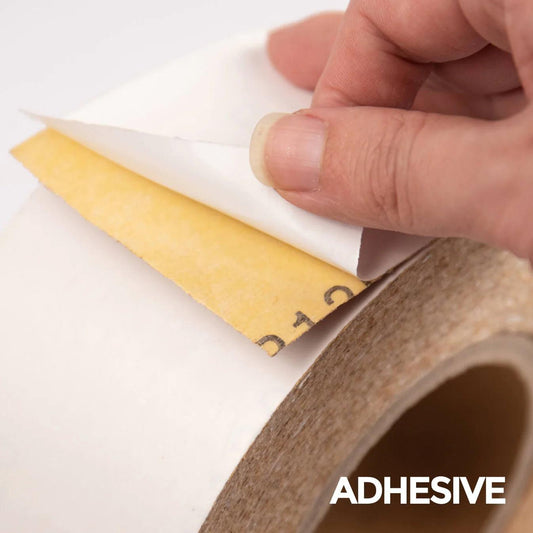
- Sanding rolls: Useful for linear scratches or long stretches of floorboards, offering a smooth and consistent finish.
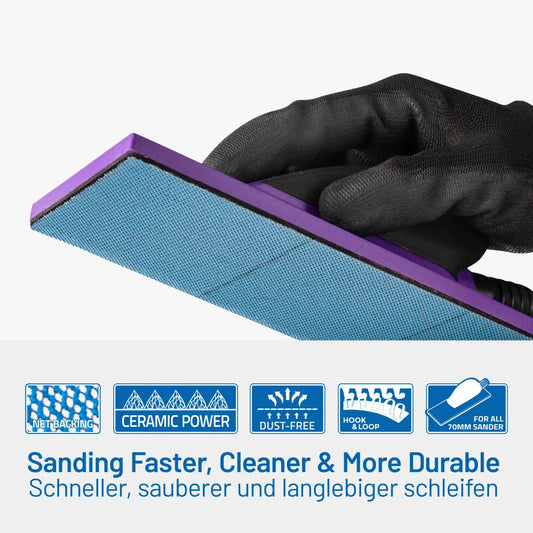
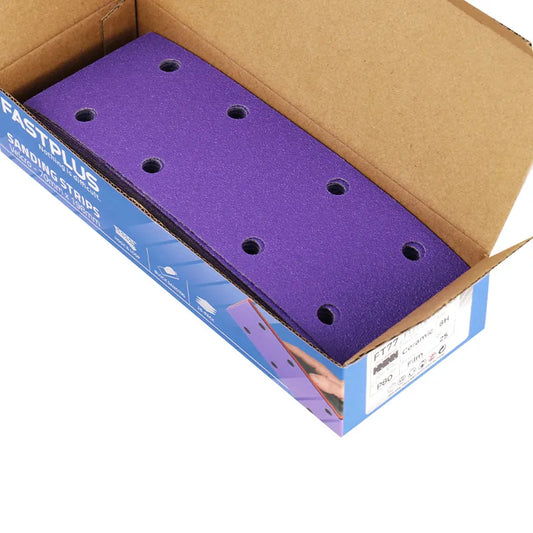
- Sanding strips: Ideal for narrow spaces along walls or between boards.
Having a variety of these tools on hand allows you to repair scratches of all sizes with accuracy and ease.
Final Thoughts
Scratches and marks on wooden floors are common, but they are rarely permanent. By carefully assessing scratches, using the right sanding tools, and following a step-by-step approach, you can restore the natural beauty of your floors. Incorporating sanding discs, sheets, rolls, and strips where appropriate helps achieve professional results without damaging your wood.
Regular maintenance, careful cleaning, and preventive measures will prolong the beauty of your floors. Ultimately, patience and attention to detail, along with the right tools, make all the difference in keeping your wooden floors looking elegant and inviting for years to come.