

Sanding Discs vs Sandpaper Sheets: Which One Should You Use?
Quick Answer
If you need fast material removal, consistent sanding, and efficient performance on large surfaces, choose sanding discs. If you need maximum control, flexibility, and access to corners or detailed areas, choose sandpaper sheets.
For most woodworking, automotive refinishing, and DIY projects, the best solution is to use both. Sanding discs handle surface preparation and material removal, while sandpaper sheets are ideal for finishing details and hard-to-reach areas.
Whether you're restoring old furniture, repairing automotive paint, refinishing cabinets, or completing a weekend DIY project, choosing the right abrasive can dramatically affect your results.
Many people focus only on grit size and overlook an equally important decision: should you use sanding discs or sandpaper sheets?
Although both products perform the same basic function, they are designed for different tools, applications, and working styles. Understanding their differences will help you work faster, achieve smoother finishes, and avoid unnecessary frustration.
Comparison Table: Sanding Discs vs Sandpaper Sheets
| Feature | Sanding Discs | Sandpaper Sheets |
|---|---|---|
| Best For | Large surfaces | Detail work |
| Tool Required | Power sander | Hand sanding |
| Speed | Fast | Slow |
| Precision | Good | Excellent |
| Dust Collection | Available | Limited |
| Efficiency | High | Moderate |
Why Choosing the Right Abrasive Matters
The abrasive format you choose affects much more than convenience. It influences sanding speed, finish quality, dust generation, labor time, and even project costs.
Using sandpaper sheets on a large tabletop can turn a one-hour task into an all-day project. On the other hand, trying to use a sanding disc inside corners or intricate details often results in uneven surfaces and frustration.
Selecting the right abrasive format helps improve productivity while delivering a better final finish.
What Are Sanding Discs?
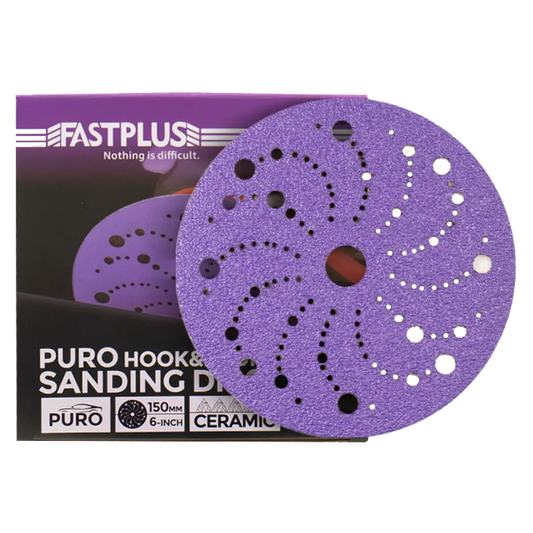
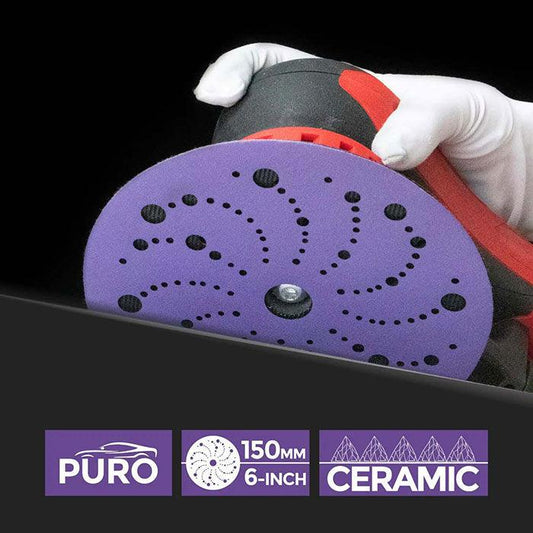
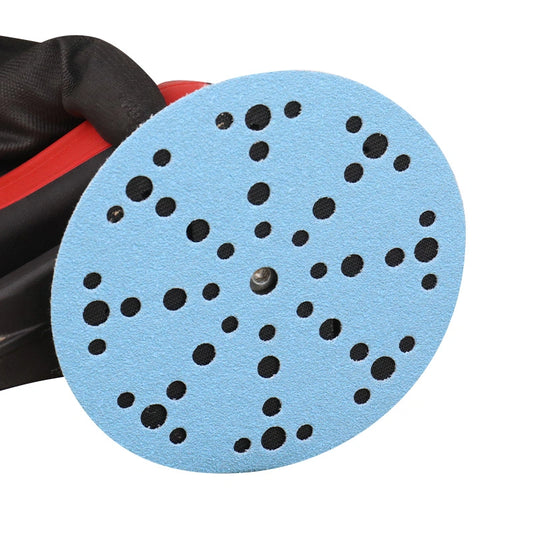
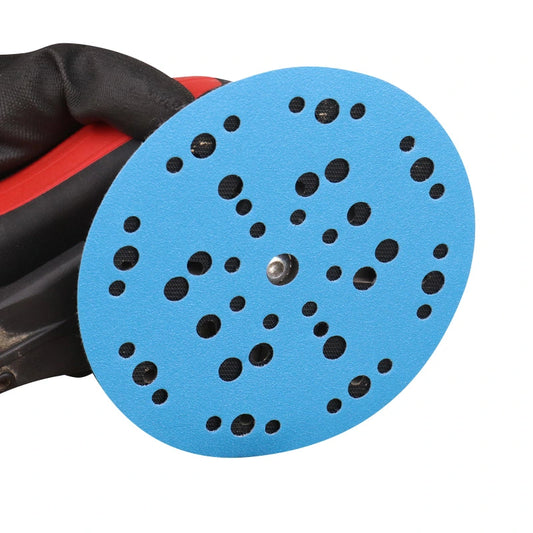
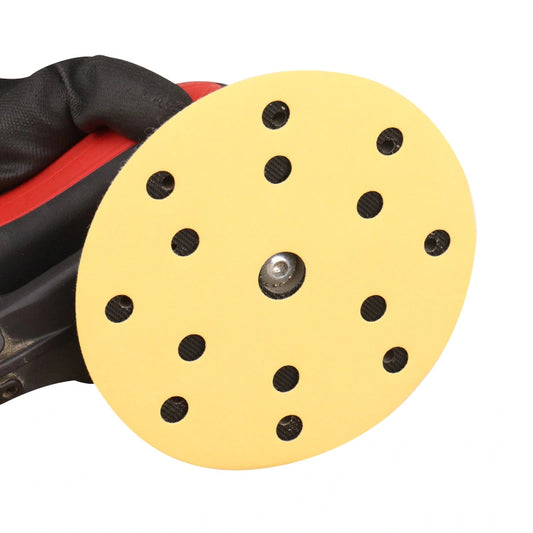
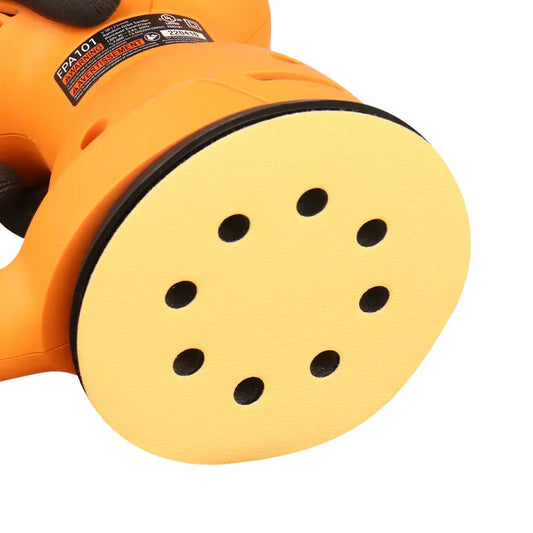
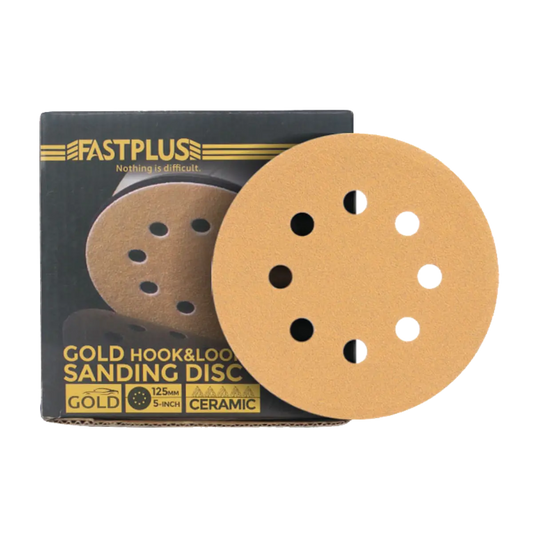
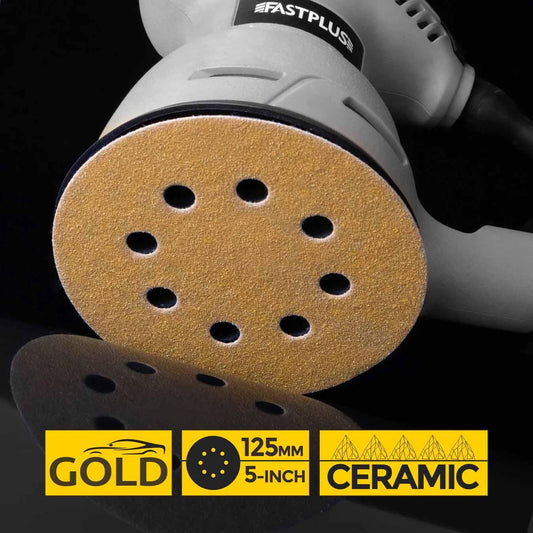
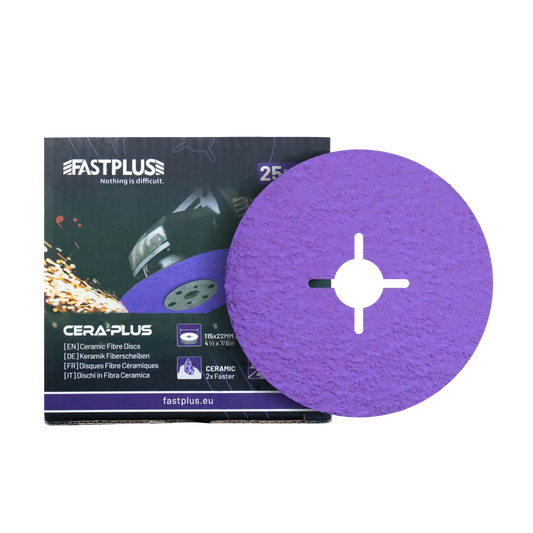
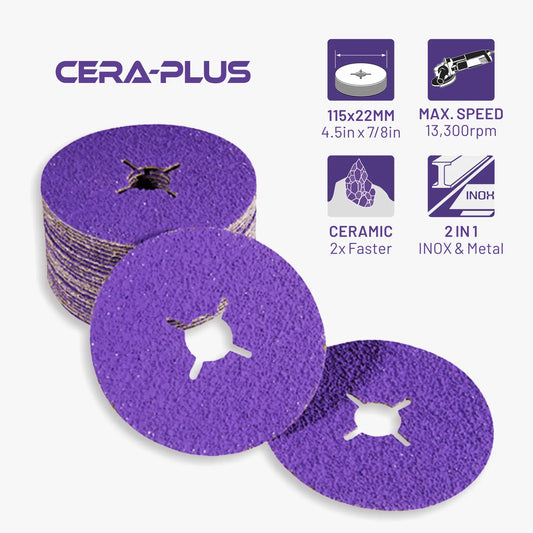
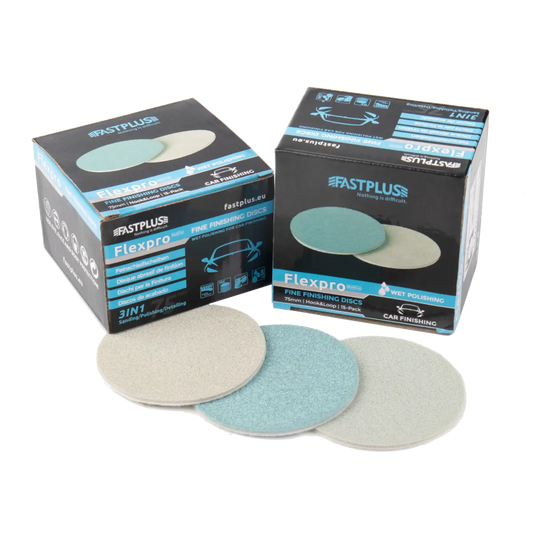
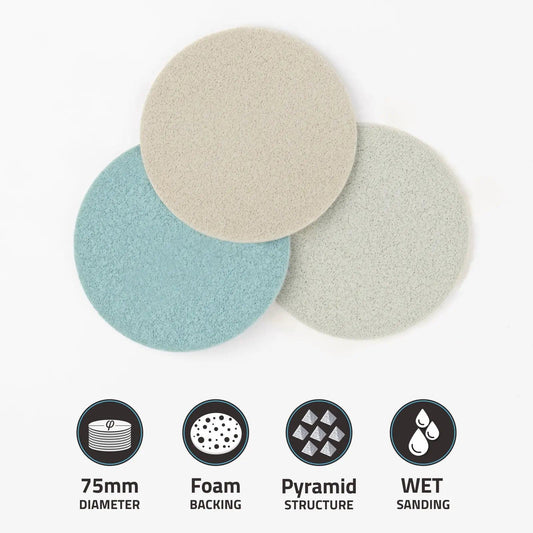
Sanding discs are circular abrasive products designed for machine sanding. They are commonly attached to random orbital sanders, orbital sanders, and certain pneumatic sanding tools.
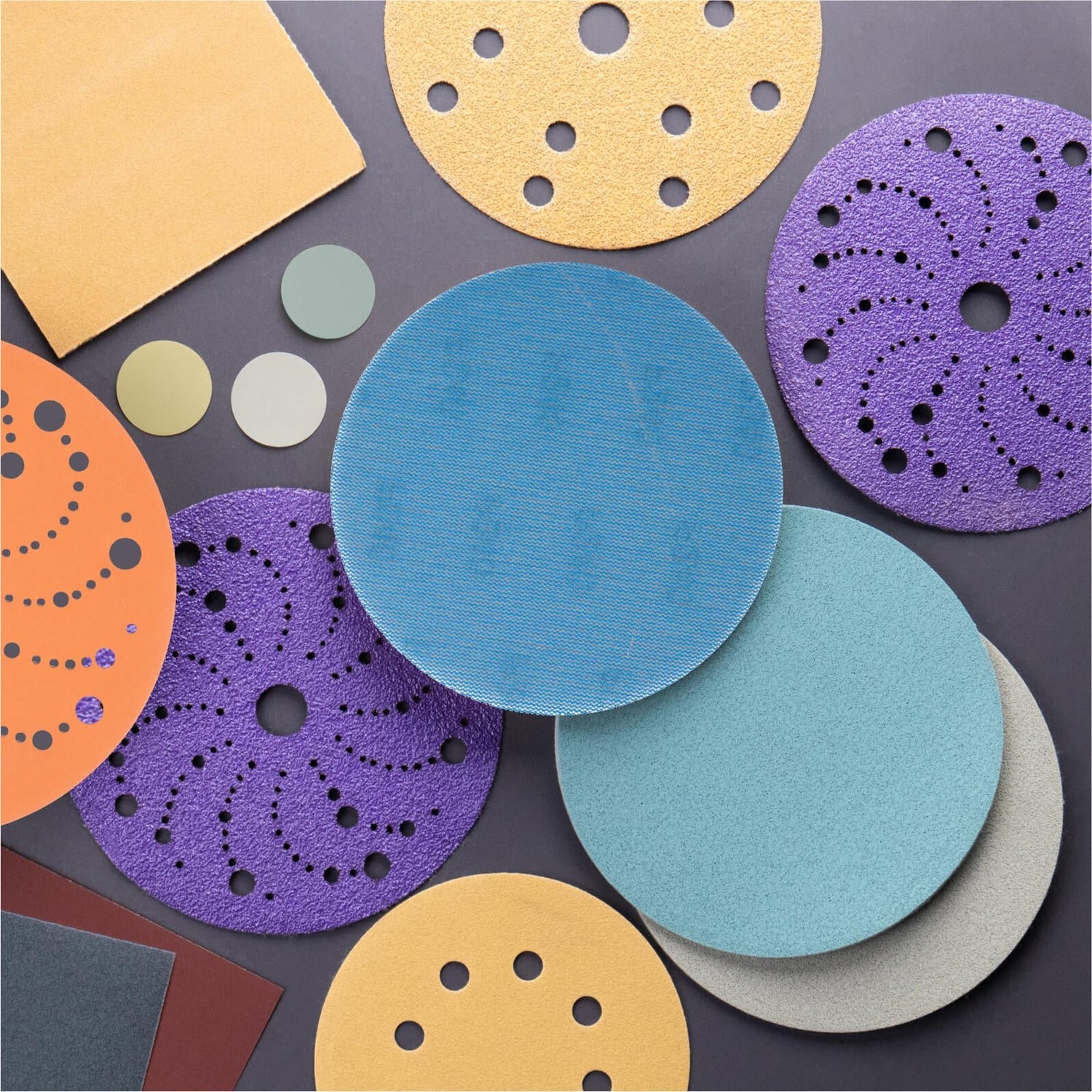
Modern sanding discs are available in various materials including:
- Ceramic sanding discs
- Aluminum oxide sanding discs
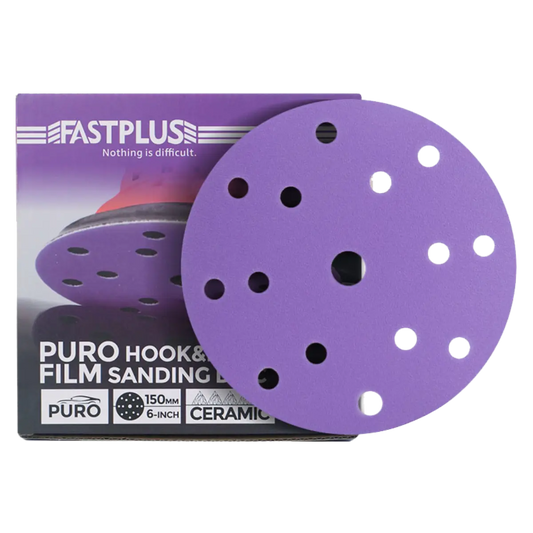
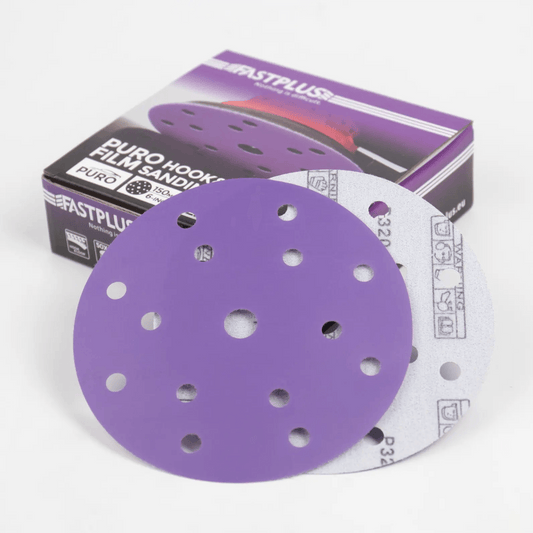
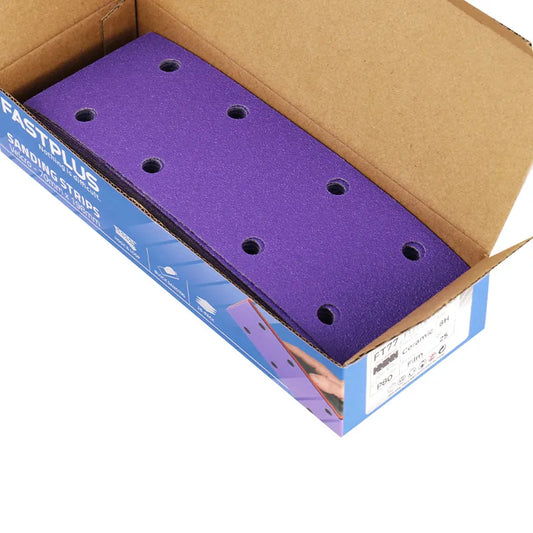
- Film sanding discs
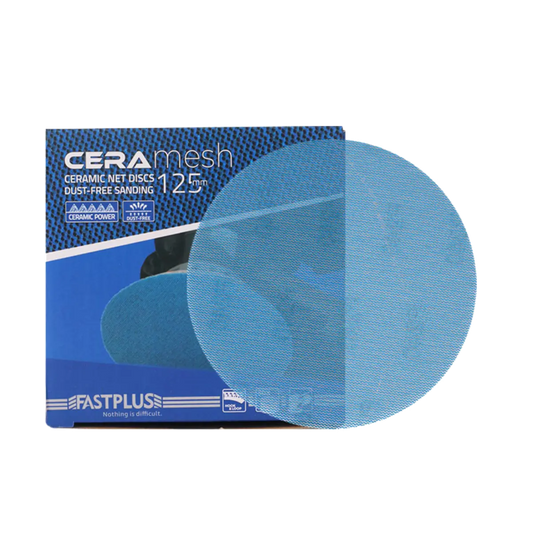
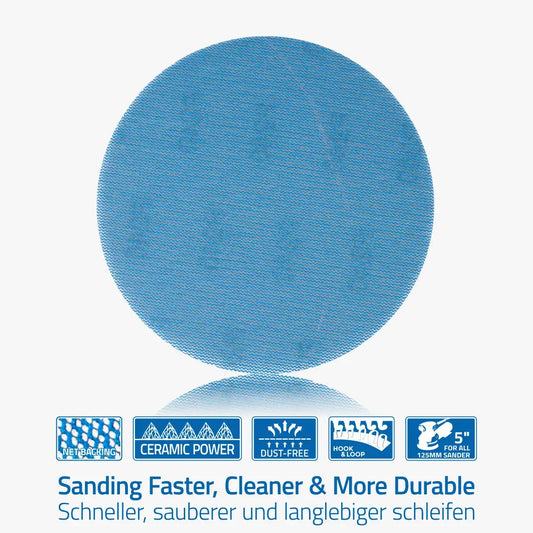
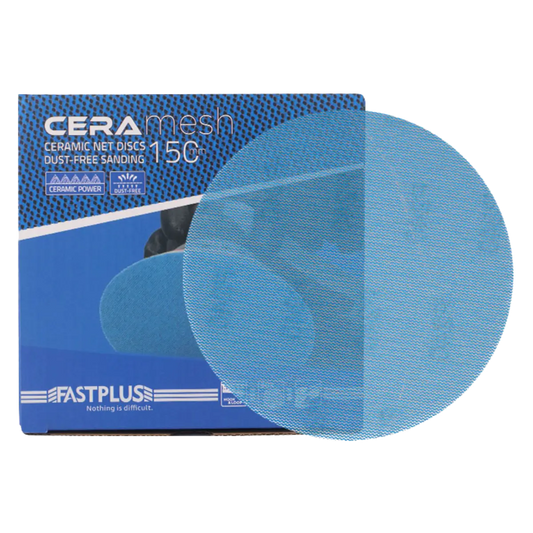
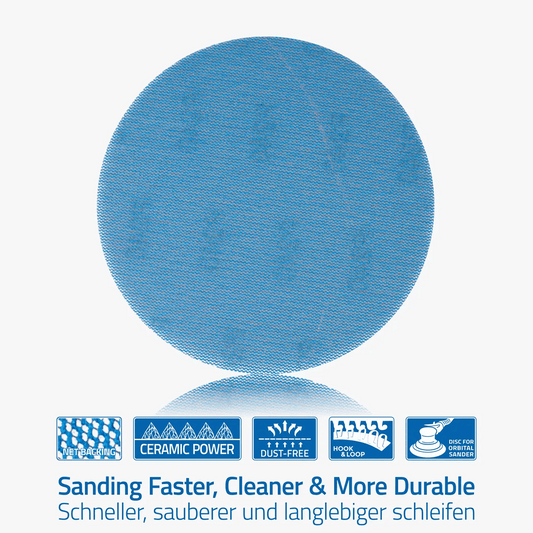
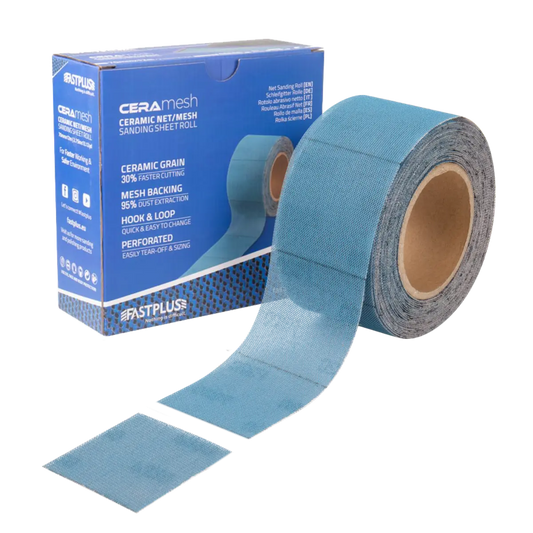
- Mesh sanding discs
- Silicon carbide sanding discs
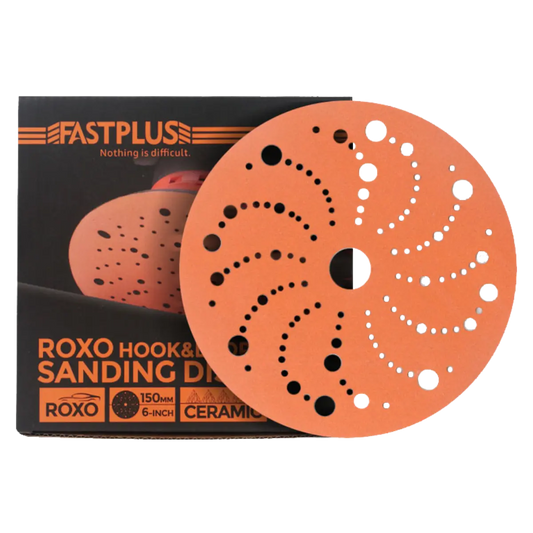
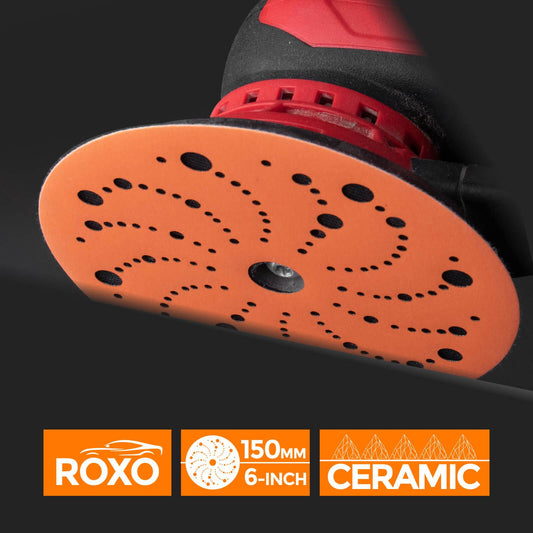
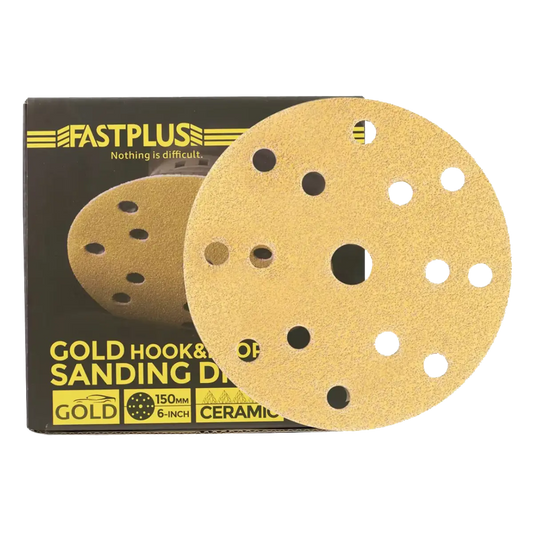
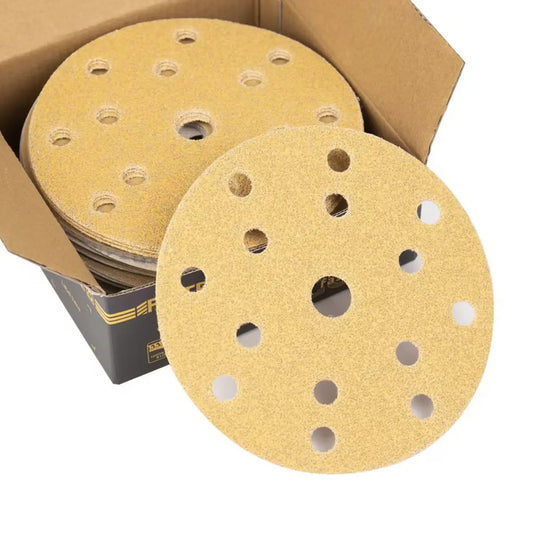
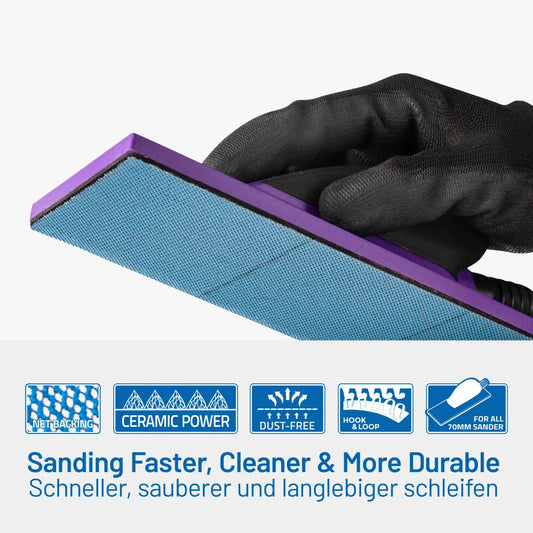
Most premium sanding discs also include dust extraction holes, allowing sanding dust to be removed efficiently during operation.
Advantages of Sanding Discs
- Fast stock removal
- Consistent surface preparation
- Reduced operator fatigue
- Excellent for large projects
- Compatible with vacuum systems
- Long lifespan, especially film-backed products
Disadvantages of Sanding Discs
- Require power tools
- Higher initial investment
- Less suitable for corners and detailed areas
What Are Sandpaper Sheets?
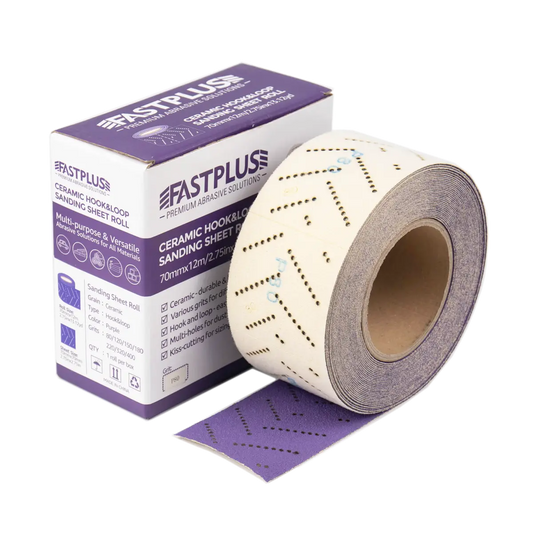
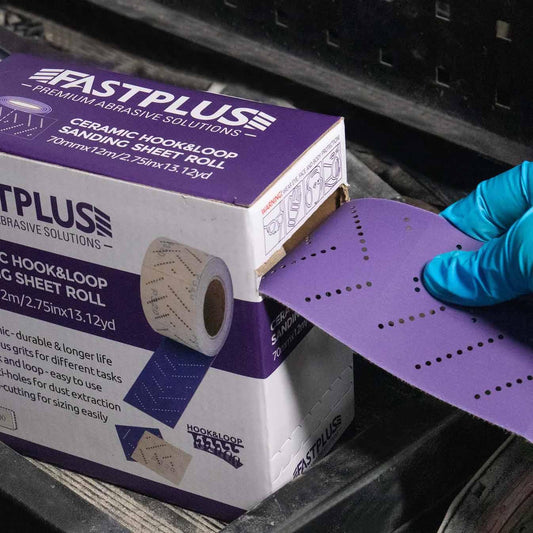
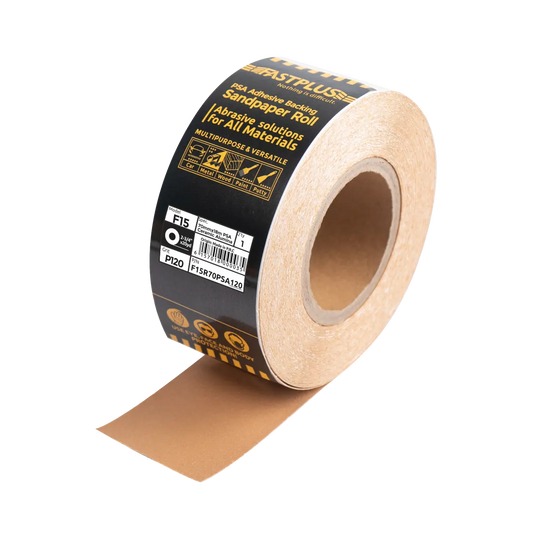
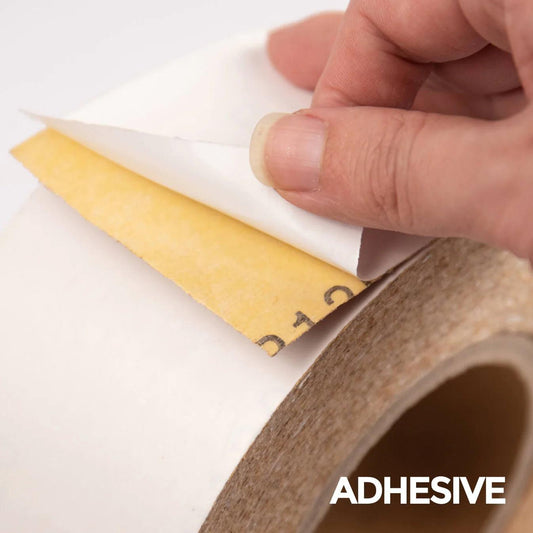
Sandpaper sheets are flat abrasive sheets typically used by hand or with sanding blocks. They remain one of the most versatile abrasive formats available.
Unlike sanding discs, sheets can be folded, cut, and shaped to fit different surfaces and contours.
Advantages of Sandpaper Sheets
- Excellent control
- Low cost
- No power tools required
- Ideal for corners and edges
- Suitable for detailed finishing work
Disadvantages of Sandpaper Sheets
- Slower sanding speed
- Requires more physical effort
- Less efficient for large surfaces
- May wear out faster during aggressive sanding
Which Is Better for Woodworking?
Woodworking projects often benefit from both abrasive formats.
When sanding tabletops, cabinet doors, plywood panels, or hardwood boards, sanding discs dramatically improve productivity and consistency.
However, once the major sanding is complete, many woodworkers switch to sandpaper sheets for edges, profiles, corners, and final finishing.
For furniture restoration, a combination approach usually produces the best results.
Which Is Better for Automotive Repair?
Automotive refinishing relies heavily on sanding discs because vehicle panels contain large, relatively flat surfaces.
Body shops commonly use sanding discs for:
- Paint removal
- Body filler sanding
- Primer preparation
- Blend area preparation
- Clear coat correction
Sandpaper sheets are often reserved for hand-block sanding, edge work, and finishing operations where precision is critical.
Cost Analysis: Which Option Saves More Money?
At first glance, sandpaper sheets appear less expensive. A single sheet usually costs less than a sanding disc.
However, total project cost involves more than purchase price.
| Factor | Winner |
|---|---|
| Initial Cost | Sandpaper Sheets |
| Labor Savings | Sanding Discs |
| Productivity | Sanding Discs |
| Small Projects | Sandpaper Sheets |
For frequent users and professionals, sanding discs often provide the lowest cost per completed project.
Common Mistakes to Avoid
- Using hand sanding for large flat surfaces.
- Using sanding discs in tight corners.
- Skipping grit progression.
- Applying excessive pressure.
- Using worn abrasives for too long.
- Ignoring dust extraction systems.
Expert Tips for Better Results
- Start with the least aggressive grit necessary.
- Replace abrasives when cutting performance drops.
- Use dust extraction whenever possible.
- Move gradually through grit sequences.
- Combine machine sanding and hand sanding for the best finish.
Recommended Workflow
Furniture Refinishing
- 120 grit sanding disc
- 180 grit sanding disc
- 240 grit sanding disc
- 320 grit sandpaper sheet
- Apply finish
Automotive Refinishing
- 80 grit sanding disc
- 180 grit sanding disc
- 320 grit sanding disc
- 600 grit sandpaper sheet
- Paint and polish
Frequently Asked Questions
Can sanding discs replace sandpaper sheets?
No. Sanding discs are excellent for large surfaces but cannot easily access corners and detailed areas.
Which lasts longer?
Film-backed and ceramic sanding discs typically last longer than standard sandpaper sheets.
Which is better for woodworking?
Using both usually provides the best results.
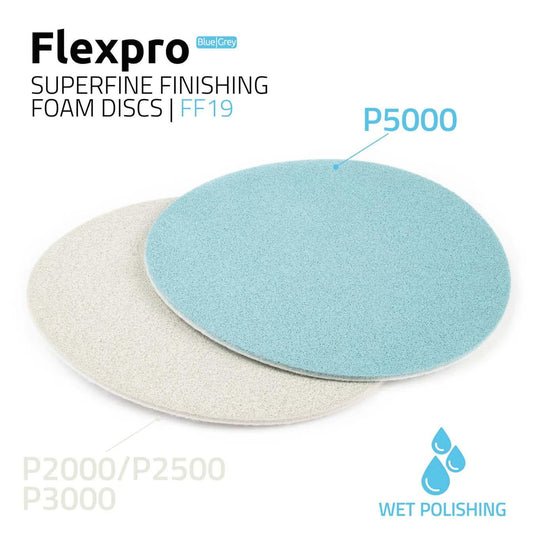
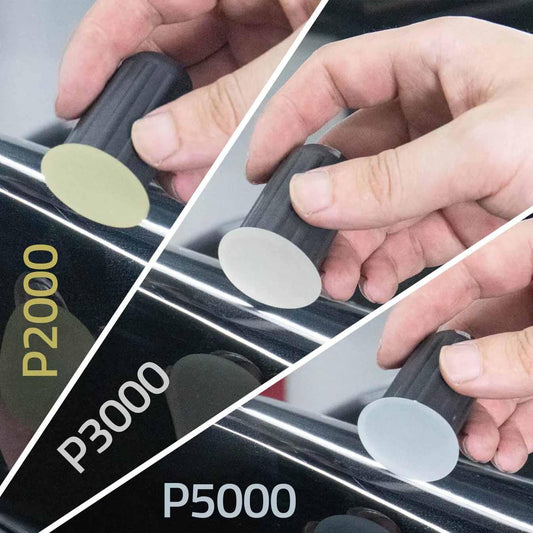
Can both be used for wet sanding?
Yes, provided they are designed for wet sanding applications.
Which is better for beginners?
Sandpaper sheets are easier to start with because they require no power tools.
Do sanding discs provide a smoother finish?
Both can produce excellent finishes when the correct grit sequence is used.
Final Verdict
There is no universal winner between sanding discs and sandpaper sheets. Each serves a different purpose.
Choose sanding discs when efficiency, speed, and consistency matter most. Choose sandpaper sheets when precision, flexibility, and detailed finishing are required.
For the highest-quality results, professionals rarely choose one or the other—they use both.