

How to Remove Old Antifouling Paint Effectively?
Removing old antifouling paint is one of the most important maintenance tasks for any boat owner. Over time, layers of antifouling build up, become uneven, lose their performance, and can even slow your vessel down. Whether you are restoring a boat, changing paint systems, or switching paint brands, effective removal ensures a smooth, clean surface that allows new coatings to bond properly and perform at their best.
This guide explains why removal is necessary, compares different removal methods, details step-by-step procedures, shares safety tips, and outlines best practices for achieving a clean hull with less effort and better results.
Why Removing Old Antifouling Paint Matters

Antifouling coatings are designed to prevent marine growth, but they wear down and accumulate over years of repainting. Leaving these old layers unchecked can lead to:
1. Rough Hull Surface
Excess paint layers create drag, slowing the boat and increasing fuel consumption.
2. Poor Adhesion for New Paint
New antifouling cannot bond properly to loose, chalky, or blistering layers.
3. Hidden Damage
Old paint may conceal blistering, cracks, and osmosis that need repair before repainting.
4. Environmental Concerns
Old antifouling can flake into the water, releasing harmful biocides.
For these reasons, regular removal—full or partial—is essential to maintain boat performance and coating longevity.
Choosing the Right Removal Method
There is no single “best” method; the right choice depends on the boat material, paint type, condition of the hull, your working environment, and your budget. Below are the most effective methods used today.
1. Mechanical Sanding
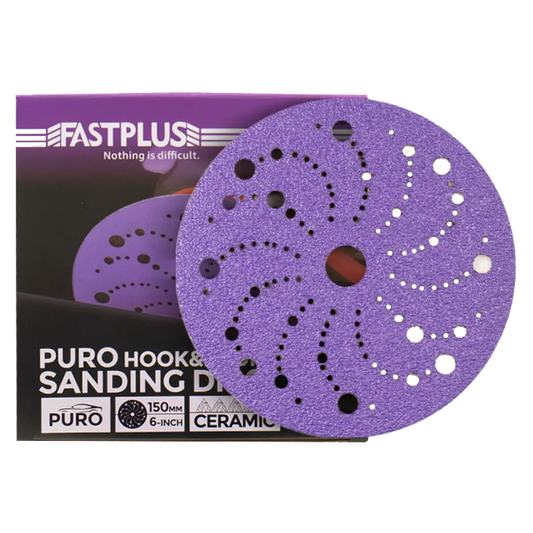
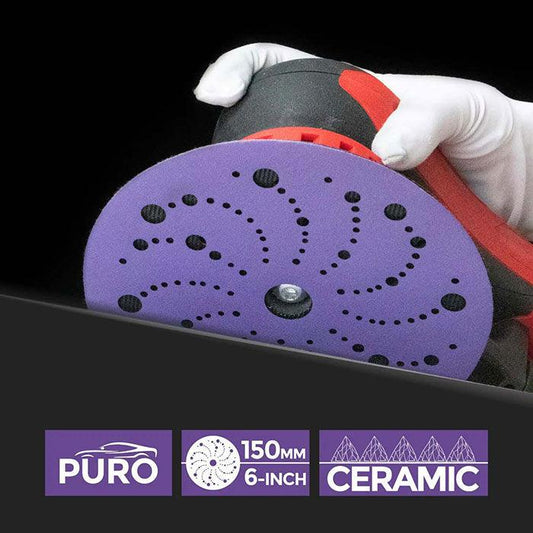
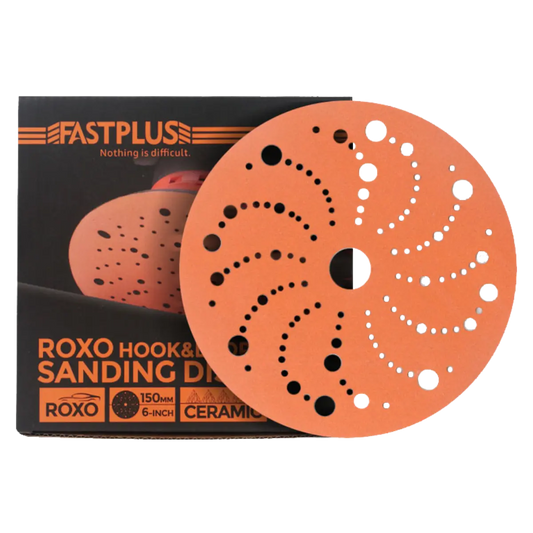
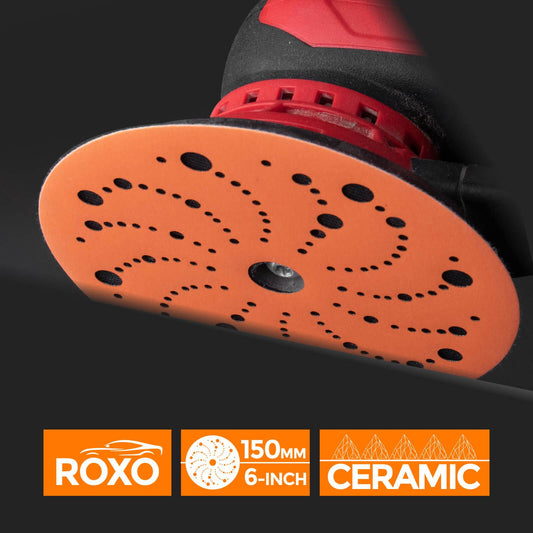
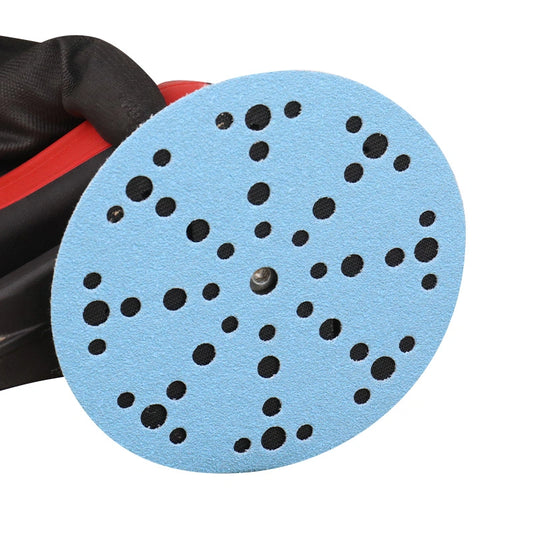
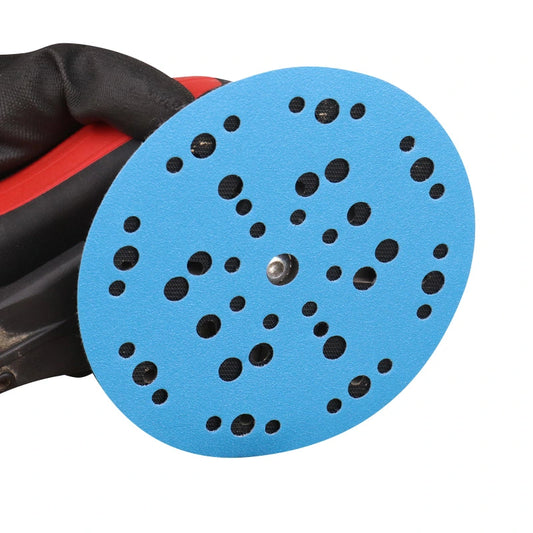
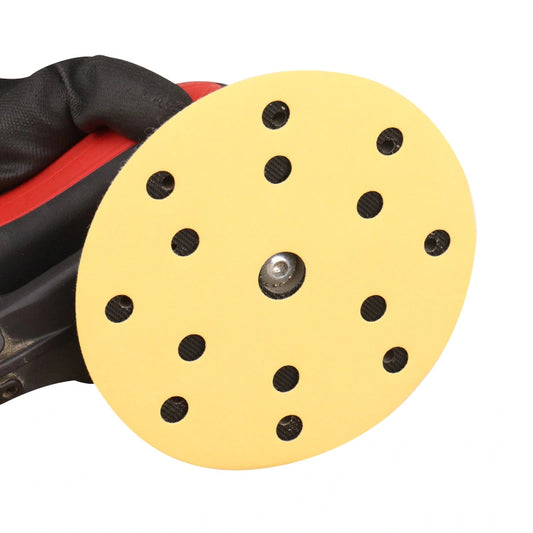
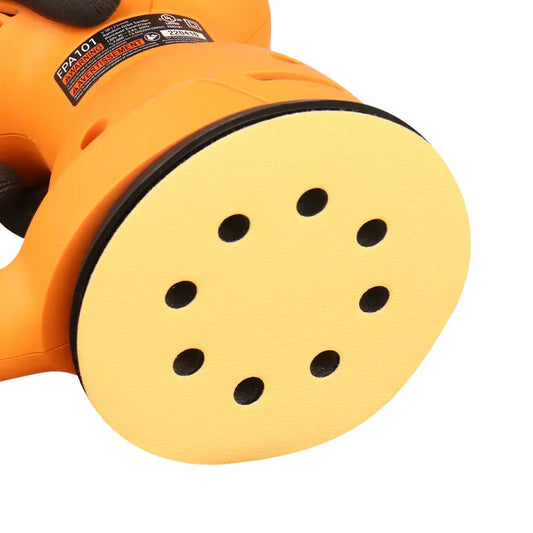
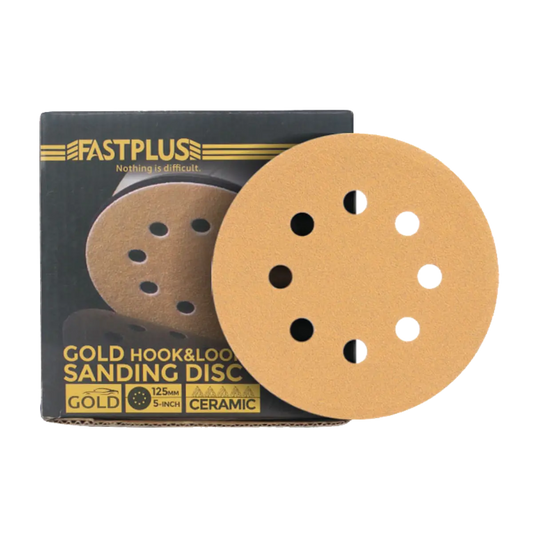
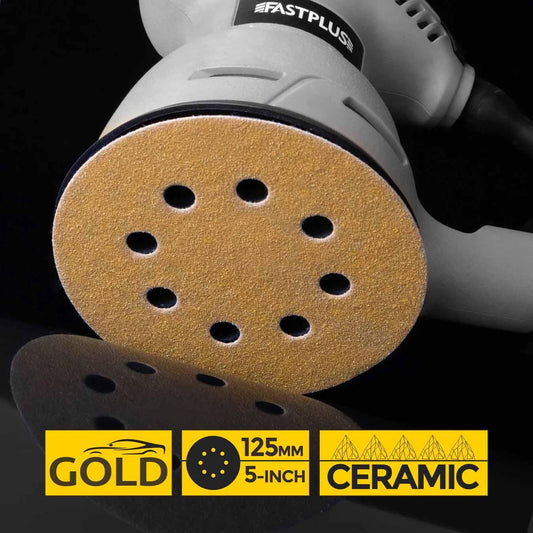
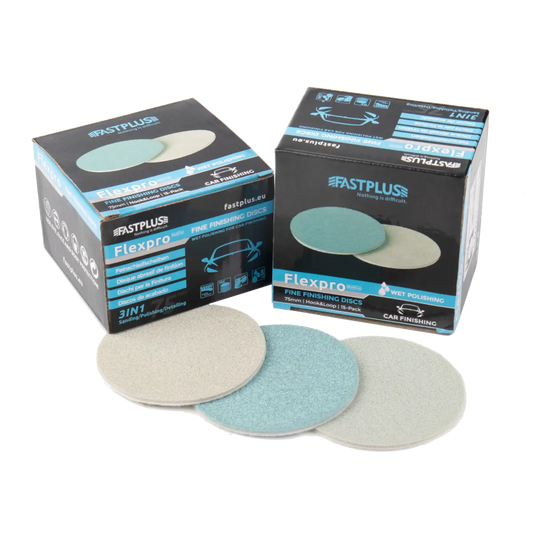
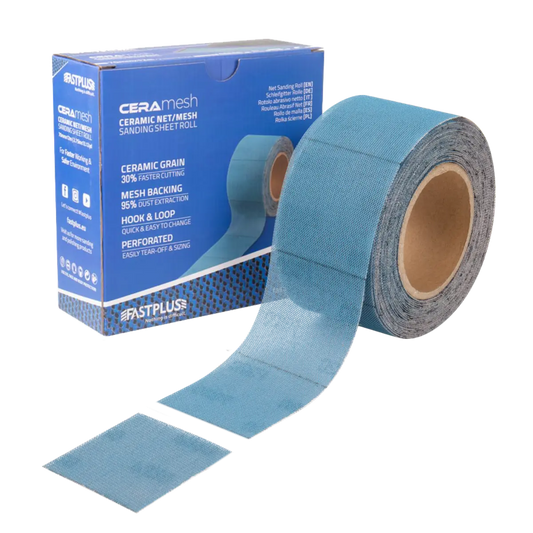
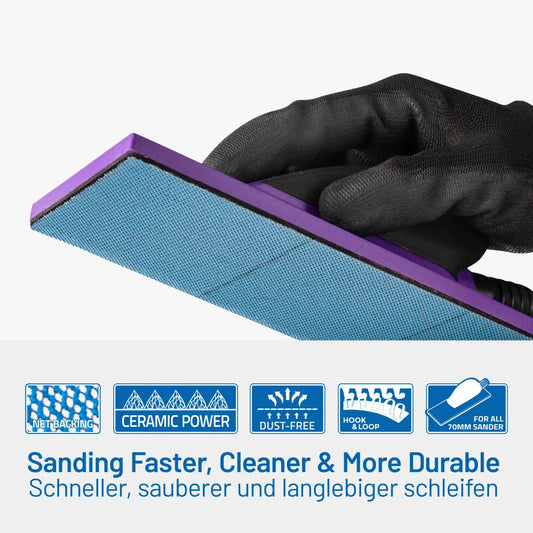
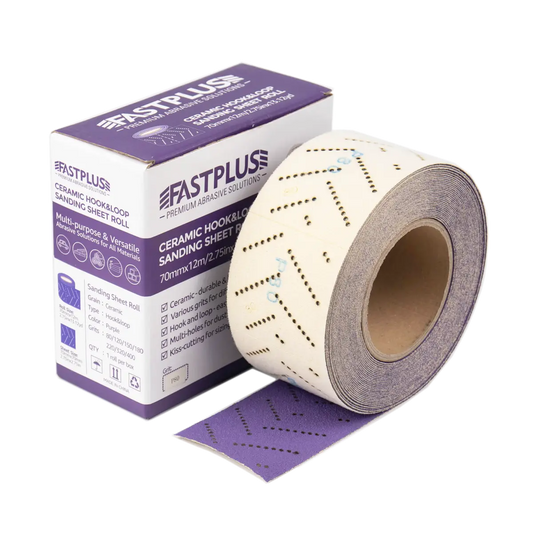
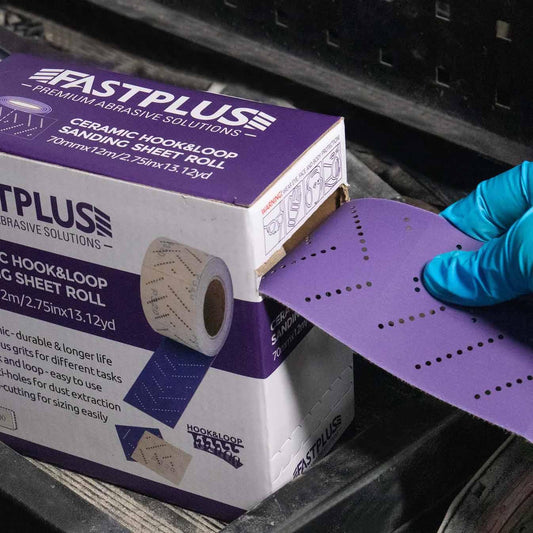
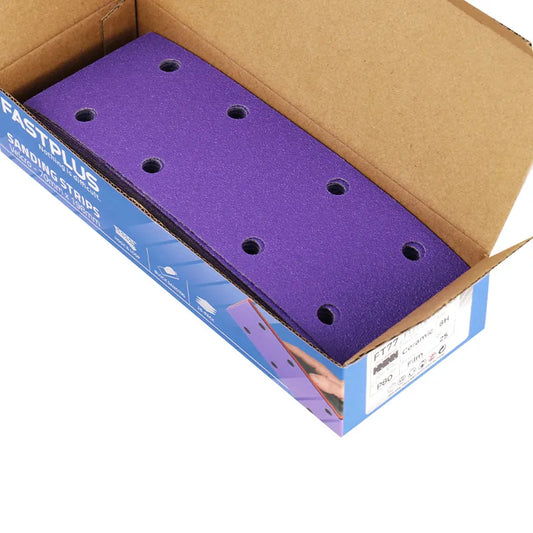
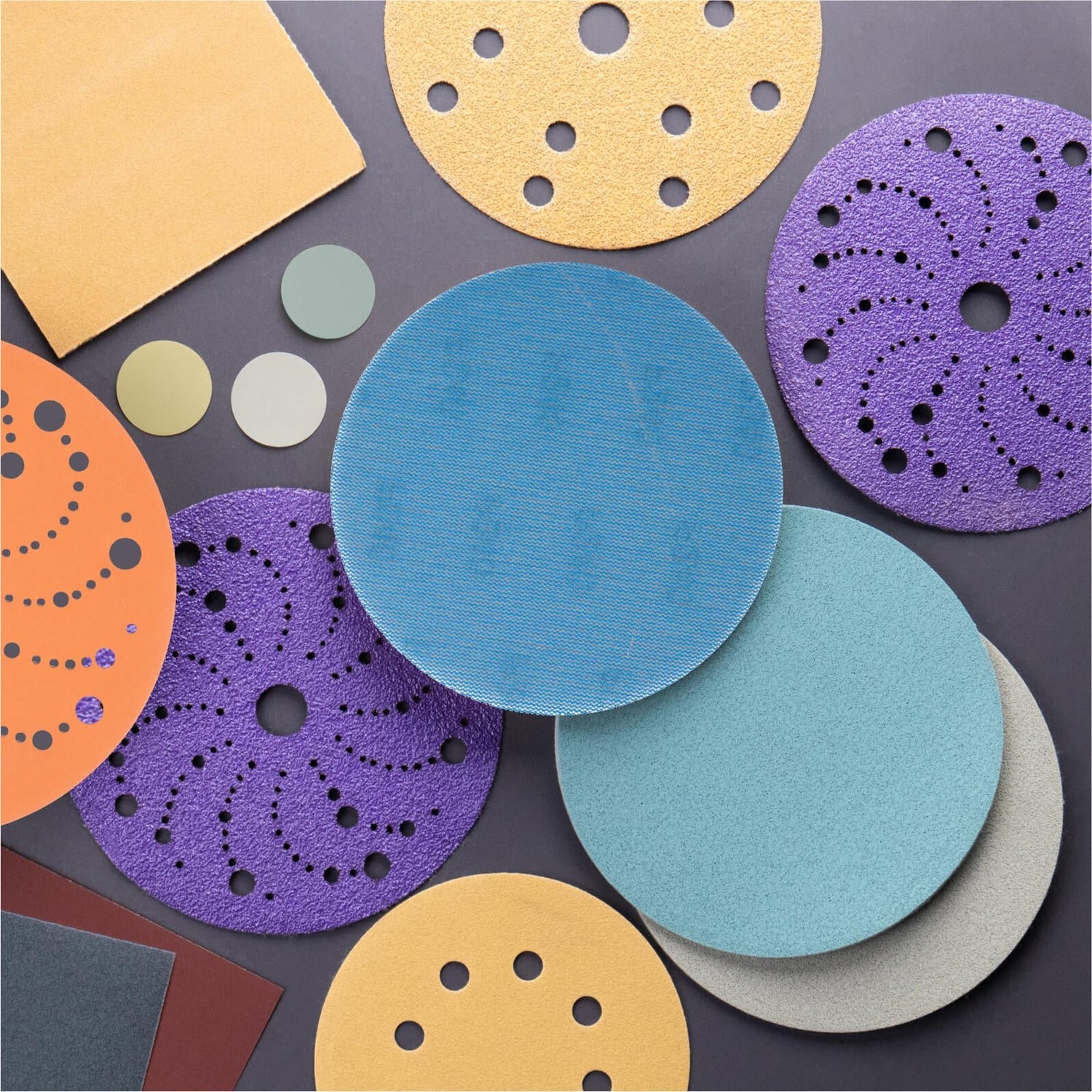
Mechanical sanding is the most common method. Using abrasive sanding discs allows you to remove multiple layers efficiently and achieve a smooth, even surface.
How it Works
You use a random orbital sander or a vacuum-assist sanding machine with discs ranging from coarse to medium grits (typically 60–120).
Pros
- Fast and efficient
- Good for leveling uneven paint
- Suitable for most hulls
Cons
- Dust-heavy without extraction
- Requires proper PPE
- Can damage gelcoat if over-sanded
Best Use
When the paint is thick, uneven, and you want to smooth the surface for a fresh coat.

2. Chemical Paint Strippers (Marine-Safe)
Marine-grade chemical strippers soften the paint so it can be scraped off easily. They are ideal when dust control is important.
Pros
- Low dust
- Safer for gelcoat if used correctly
- Good for large surfaces
Cons
- Takes time to activate
- Requires careful rinsing
- Must choose a boat-safe formula
Best Use
For fiberglass hulls where sanding dust must be minimized.
3. Scraping (Manual or Powered)
Scraping removes loose and brittle layers using paint scrapers or electric “shavers.”
Pros
- Inexpensive
- Minimal equipment
- Good for peeling or cracked coatings
Cons
- Labor-intensive
- Risk of gouging hull
- Not effective for hard paints
Best Use
When antifouling layers are already flaking.
4. Soda Blasting / Sandblasting
Blasting uses compressed air to remove paint quickly and thoroughly. It is often performed by professionals.
Pros
- Fastest method
- Very thorough
- Excellent for metal hulls
Cons
- Expensive
- Requires skill and equipment
- Not allowed in some marinas due to dust
Best Use
For metal boats, large vessels, or extremely thick buildup.
5. Wet Sanding
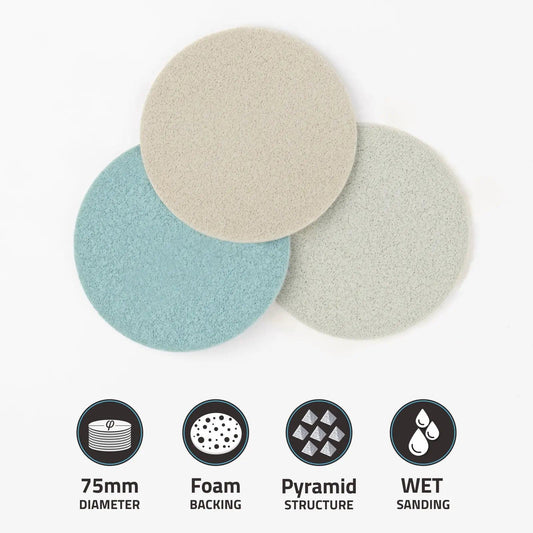
Wet sanding is similar to mechanical sanding but uses water to reduce dust and friction.
Pros
- Great dust control
- Even surface
- Good for DIY projects
Cons
- Messy runoff
- Requires proper water containment

Best Use
When marinas require wet methods to protect the environment.
Tools and Materials You Will Need
Depending on the removal method, you may need:
- Random orbital sander
- Sandpaper discs (60–120 grit)
- Scrapers (plastic or carbide)
- Marine-safe chemical stripper
- Drop cloths or plastic sheeting
- Protective gloves
- Eye protection
- Respirator with P100 filters
- Vacuum sander or dust extraction system
- Buckets, sponges, and rinsing water
- Painter’s tape
Proper equipment ensures efficiency, safety, and a smoother finish.
Step-by-Step Guide: How to Remove Old Antifouling Paint
The following procedure works for most boats, regardless of which removal method you choose.
Step 1: Prepare Your Workspace
Removing antifouling produces dust, debris, and chemical residue, so preparation is essential.
- Move the boat to a well-ventilated, dry area
- Lay down protective floor coverings
- Wear PPE: gloves, goggles, full-face respirator
- Seal off drains to prevent contamination
Many marinas have specific environmental regulations, so check their rules before starting.
Step 2: Inspect the Existing Paint
Look for:
- Cracks
- Peeling
- Blisters
- Soft, powdery sections
This determines whether sanding, scraping, or stripping is most suitable. For example, flaky paint scrapes easily, while hard paint may require sanding.
Step 3: Choose and Apply the Removal Method
This section details each method in practical detail.
A. Mechanical Sanding Method (Most Common)
1. Use the Right Abrasive
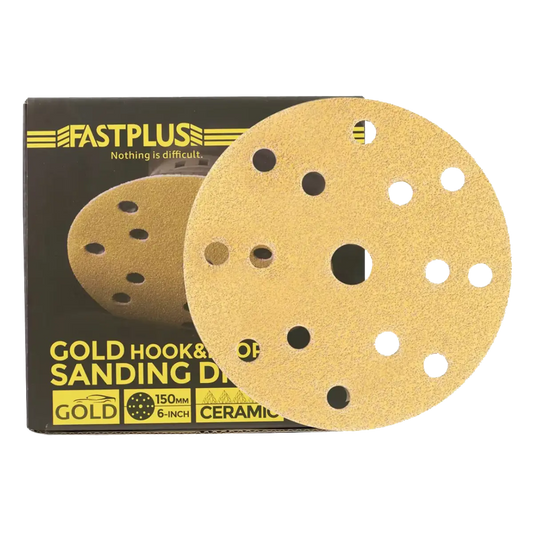
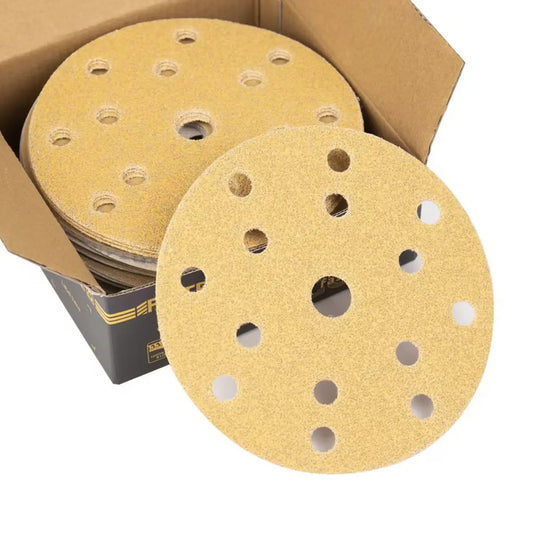
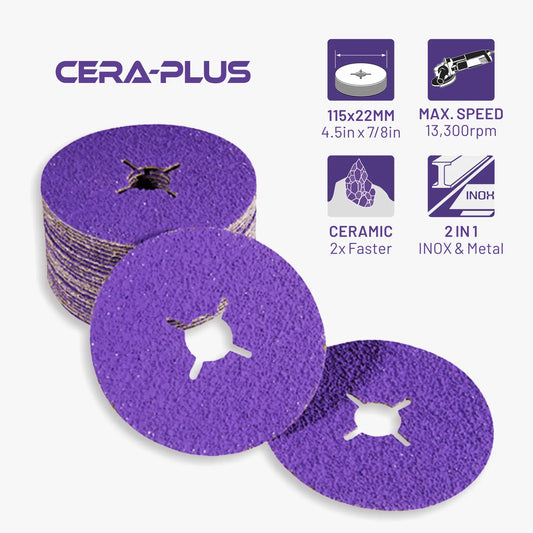
Start with 60–80 grit to remove bulk layers, then switch to 100–120 grit for smoothing.
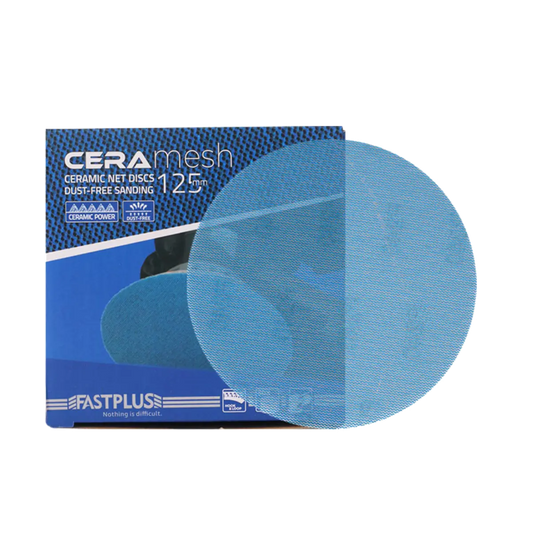
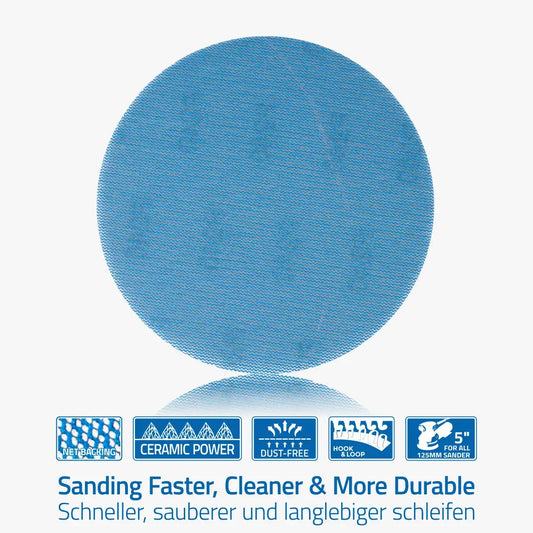
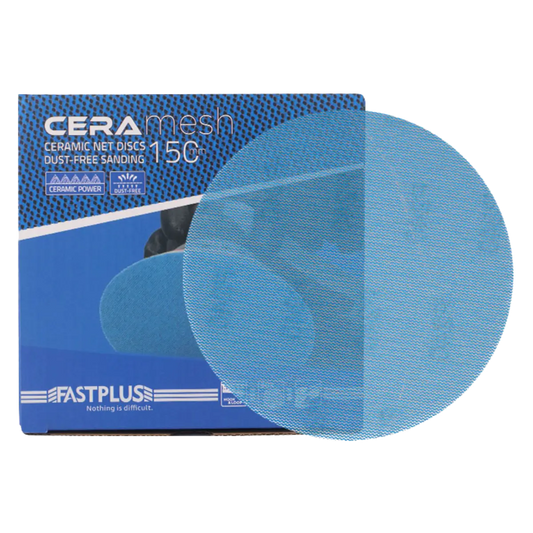
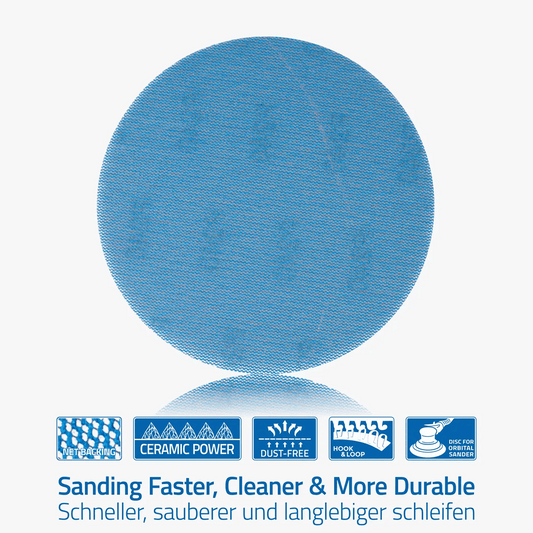
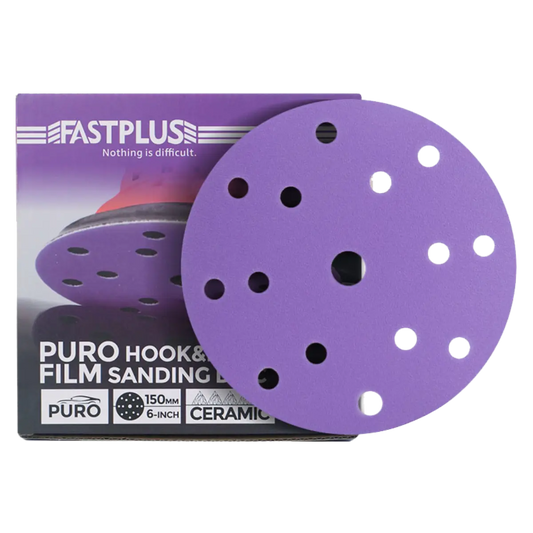
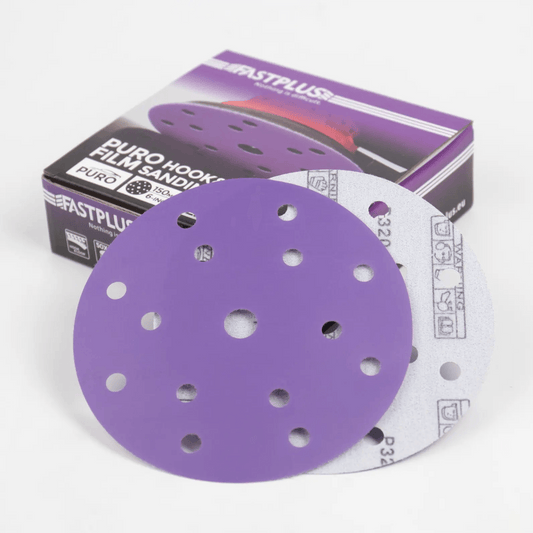
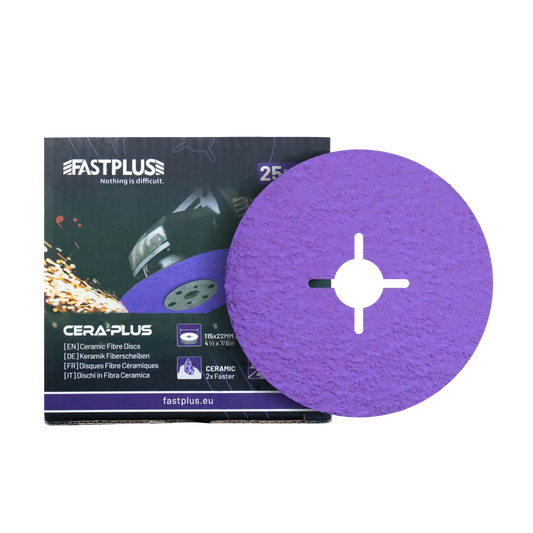
Ceramic sanding discs typically work faster and last longer, especially on thick coatings.
2. Sand with Even Pressure
Avoid digging into gelcoat. Keep the sander flat and moving steadily.
3. Use a Vacuum Sander
This captures dust and makes the job cleaner.
B. Chemical Stripper Method
1. Apply the Stripper
Use a roller or brush to coat the hull in thick layers of marine-safe stripper.
2. Allow Time to Activate
Most products require 30 minutes to several hours to soften the paint.
3. Scrape Off Paint
Use plastic scrapers to avoid damaging the gelcoat.
4. Rinse Thoroughly
Follow manufacturer instructions carefully.
C. Scraping Method
1. Choose the Right Scraper
A wide, sharp scraper removes more surface area but requires more control.
2. Work in a Consistent Direction
Scrape horizontally or vertically for smoother results.
3. Sand After Scraping
Light sanding smooths any remaining ridges.
D. Blasting Method
This should be done by trained professionals. Abrasive media like soda, crushed glass, or garnet removes coatings quickly but must be carefully controlled to prevent hull damage.
Step 4: Clean the Hull Thoroughly
Regardless of the removal method:
- Vacuum or rinse residue
- Degrease with a mild cleaner
- Remove dust from pores
- Allow the hull to dry completely
This step ensures proper adhesion when applying new paint.
Step 5: Inspect for Damage or Osmosis
With the paint removed, check for:
- Blisters
- Moisture intrusion
- Gelcoat cracks
- Corrosion (on metal hulls)
If any issues exist, repair them before repainting.
Step 6: Prepare the Surface for New Coating
Before applying new antifouling:
- Sand lightly with 120–150 grit
- Fill dents or scratches
- Apply primer if required
- Mask edges and waterline
A properly prepared surface ensures the new paint lasts longer and remains smooth.
Environmental and Safety Considerations
Antifouling paint contains biocides such as copper, so safe handling is essential.
1. Wear Proper Protection
P100 respirators, gloves, coveralls, and eye protection are mandatory.
2. Control Dust and Debris
Use drop cloths and sealed containers for waste.
3. Dispose of Waste Properly
Follow local hazardous waste regulations.
4. Protect the Water
Never allow chemicals, dust, or rinse water to enter the marina.
Tips for More Efficient Antifouling Removal
1. Work in Sections
Dividing the hull into smaller areas makes the project manageable.
2. Use High-Quality Abrasives
Long-lasting discs reduce work time and cost.
3. Don’t Rush
Removing too aggressively may damage the gelcoat or hull.
4. Check Local Regulations
Some marinas require wet sanding or dust-free systems.
5. Keep the Hull Clean Year-Round
The less buildup, the easier removal becomes.
When You Should Remove All Antifouling Paint
Not all repainting requires full removal. However, full removal is necessary when:
- Paint is blistering
- There are more than 6–10 layers of buildup
- Switching from hard to soft antifouling or vice-versa
- Preparing for a barrier coat
- Hull speed has noticeably decreased
Removing everything ensures a clean foundation for future protection.
Conclusion
Removing old antifouling paint is a vital step in maintaining your boat’s performance, efficiency, and structural integrity. Whether using sanding, stripping, scraping, or blasting, the goal is to achieve a clean, smooth hull that allows new coatings to bond securely. With proper preparation, the right tools, and safe working practices, you can complete the job efficiently and lay the groundwork for a long-lasting antifouling system.